
Bicycle pricing varies significantly by category. Knowing the averages by bike type helps you shop with clarity from the start. Average prices by bike type break down as follows:
| Bike Type | Average Price |
|---|---|
| Recumbent Bike | $1,500 |
| Comfort Bike | $1,000 |
| Road Bike | $500 |
| Mountain Bike | $450 |
| Beach Cruiser | $300 |
| Single-Speed Bike | $300–$400 |
| Kids' Bike (ages 3–8) | $100–$240 |
The full spectrum runs from $100 to $3,500, depending on type and build. Kids' bikes, while affordable, still require attention to safety and sizing. For adult riders, the sweet spot depends entirely on intended use. Snow Bike, Mountain Bike, City Bike, and Folding Bike each have their specific price ranges and features that influence the cost.
Key Takeaway: Match your bike type to your riding goals first. Price follows function, not the other way around.
Beyond bike type, quality tier is the second major pricing variable. Most bikes fall into three clear brackets:
Entry-level (a few hundred dollars): Basic components, heavier frames, and limited durability. Functional for casual use.
Mid-range ($500–$1,000): Reliable components, better geometry, and improved riding experience. The most popular tier.
Performance builds ($2,000+): Carbon fiber frames, high-end groupsets, and precision wheels. Reserved for serious riders.
Most new bike purchases cluster in the $400–$1,200 range, delivering a strong balance of performance and durability. Bikes under $300 from large chain retailers often deliver a poor riding experience, featuring heavy frames, low-end components, and unreliable builds. The difference between a $200 bike and a $500 bike is substantial, both in ride quality and long-term value.
Pro Tip: If you are new to cycling, target the $500–$1,000 mid-range. It offers reliability without overcommitting your budget.
Several specific factors determine where any bike lands on the price spectrum. Understanding them prevents overpaying for features you do not need. The primary cost drivers are:
Frame material: Aluminum offers a strong weight-to-cost ratio. Carbon fiber delivers top performance at a premium price.
Groupset grade: Entry-level groupsets are durable and simple. Higher-end drivetrains, including 12-speed or 13-speed systems, provide smoother shifting at added cost.
Wheel quality: Aluminum wheels are cost-effective. Carbon rims and tubeless-ready setups reduce rolling resistance but raise the price.
Brake type: Mechanical disc brakes are affordable. Hydraulic disc brakes improve stopping power and add cost.
Suspension: Hardtail mountain bikes cost less than full-suspension builds.
Increased material costs, shipping expenses, and labor rates have pushed prices upward across all categories. It’s crucial to map riding goals to price bands before evaluating components.
Road and mountain bikes represent the two most popular performance categories, and their budgets differ considerably.
Entry-level road bike budgets should start at $1,200 and extend to at least $1,800. A decent road bike can be found around $500, though serious riders typically invest more for lighter materials and better components.
Trail mountain bikes range from $1,000 to $5,000, reflecting the wide variation in suspension systems, wheel quality, and frame materials.
| Bike Type | Price Range |
|---|---|
| Road Bike | $500–$1,200 |
| $1,800+ | |
| Mountain Bike | $1,000 |
| $3,000–$5,000 |
A practical sweet spot: $700 to $1,700 before taxes and accessories covers a balanced setup for most adult riders across disciplines.
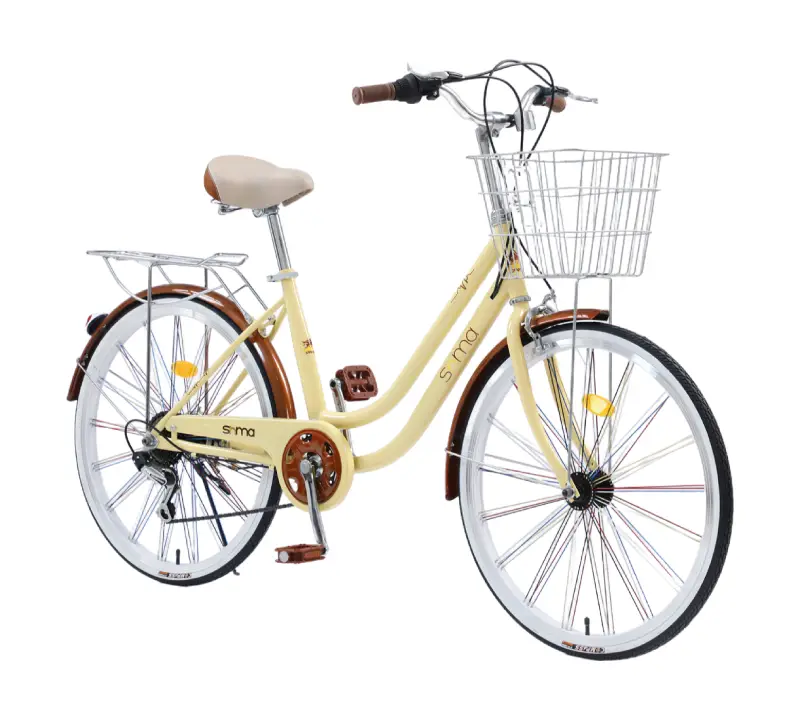
The sticker price is only part of the total cost equation. Smart buyers account for the full ownership picture.
Second-hand bikes are a strong alternative for budget-conscious riders. A well-maintained used bike, inspected by a qualified mechanic, can deliver excellent value. The true cost of ownership includes maintenance, accessories, and future upgrades beyond the purchase price.
Practical strategies to reduce total cost:
Buy during end-of-season clearances.
Choose slightly older model years with modern specifications for significant savings.
Prioritize upgradeable builds. Start with a solid frame and upgrade components over time.
Use local bike shop service packages. Maintenance plans often include tune-ups that save money long term.
Knowing expected price ranges in advance protects you from being misled by a bike's appearance alone. A polished frame does not guarantee quality components underneath.
Understanding how much a bicycle costs requires looking beyond a single number. Prices range from $100 for a basic kids' bike to $5,000+ for a performance mountain bike, with most adult riders landing between $700 and $1,200 for a reliable, well-built machine. Here is your implementation roadmap:
Define your riding purpose: commuting, trail riding, or road cycling.
Select the bike type that matches that purpose.
Set a budget within the appropriate quality tier ($500–$1,000 for most beginners).
Evaluate frame material, groupset, and brake type as your primary cost filters.
Consider used bikes or end-of-season sales to maximize value.
Do not try to optimize every variable at once. Start with the right bike type and a realistic budget. That single decision will shape your entire riding experience.
If you are new to cycling, target the $500–$1,000 range. This tier delivers reliable components, manageable weight, and a genuinely enjoyable ride. Bikes under $300 from large chain retailers frequently underdeliver on quality and may discourage continued riding.
A decent bike for most riders costs $700 to $1,700. High-end builds exceed $2,000 and feature carbon fiber frames, 12- or 13-speed drivetrains, and hydraulic disc brakes. If you ride recreationally, the performance gains above $2,000 rarely justify the added expense.
If your budget is under $600, a used bike often delivers better components than a new bike at the same price. A new mid-range bike provides warranty coverage and modern specifications if budget allows $800 or more.