
The global pet products industry continues its robust expansion in 2026, driven by the deepening humanization of pets and a growing consumer willingness to invest in their well-being. This analysis provides a comprehensive guide for business-to-business importers, brand owners, and e-commerce sellers targeting the United States and European markets. It examines the strategic advantages of sourcing pet furniture and toys from established manufacturing hubs in China, focusing on high-margin product categories. The discourse moves beyond simple cost-benefit analysis to explore the nuanced dynamics of the modern supply chain, including the roles of manufacturers versus sourcing agents, the intricacies of OEM/ODM customization, and the critical importance of navigating international safety standards and regulations. By dissecting seven specific product categories—from eco-conscious furniture to smart-tech toys—this guide offers a data-informed framework for making profitable sourcing decisions. It emphasizes the necessity of aligning product development with prevailing consumer values, such as sustainability, technological integration, and preventative health, to secure a competitive advantage in a sophisticated market.
The relationship between humans and their companion animals has undergone a profound transformation. No longer are pets simply animals that share our living space; they are perceived and treated as integral family members. This phenomenon, often termed "pet humanization," is the central force shaping the trajectory of the global pet products market in 2026. For importers and brand owners, grasping the ethical and emotional dimensions of this shift is paramount. It dictates not just what consumers buy, but why they buy it. The decision to purchase a specific dog bed is no longer solely about function; it is an expression of care, a desire to provide comfort and security analogous to that which we seek for ourselves.
This evolving sensibility has fragmented the market into distinct value-driven segments. First, there is a powerful and growing demand for sustainability. Consumers in North America and Europe are increasingly scrutinizing the environmental impact of their purchases. A plastic toy manufactured with virgin polymers faces a discerning audience, while a chew toy made from recycled ocean plastic or a cat scratcher from sustainably harvested cardboard tells a story that resonates with contemporary ethics. This is not a fleeting trend but a fundamental realignment of consumer priorities.
Second, the integration of technology has created a new frontier for pet enrichment and owner convenience. The "smart home" now extends to the pet's corner of the house. Wi-Fi-enabled feeders that dispense portion-controlled meals, interactive toys that can be controlled remotely via a smartphone app, and GPS collars that offer peace of mind are no longer novelties but expected offerings in the premium market space. These pet products meet a dual need: they provide mental and physical stimulation for the pet left home alone and they empower the owner with a sense of connection and control.
Finally, a focus on preventative health and wellness has moved from the human world into the pet domain. This is visible in the demand for orthopedic pet beds designed to support aging joints, dental chew toys engineered to reduce tartar buildup, and grooming products with natural, hypoallergenic ingredients. The modern pet owner is an educated consumer, often researching ingredients and material safety with the same rigor they apply to products for their children. They are willing to pay a premium for items that promise to enhance their pet's long-term health and quality of life. Understanding these core drivers—humanization, sustainability, technology, and wellness—is the first step in developing a successful sourcing strategy.
Once you have a clear vision for the type of pet products you wish to bring to market, the next critical step is to find a partner in China to help you produce them. The manufacturing landscape can appear daunting, a vast network of facilities and intermediaries. Broadly, your potential partners fall into two categories: direct-to-factory (manufacturers) and sourcing agents. The choice between them is not a matter of one being universally superior; rather, it depends on your business's scale, experience, and specific needs.
Working directly with a factory, such as a large operation like Hangzhou Tianyuan Pet Products Co., Ltd, which has over two decades of experience, can offer significant cost advantages by eliminating the middleman (Petstarfactory.com, n.d.). This route is often favored by large-volume importers who have the resources to manage the relationship directly. This includes handling communication, which may involve language barriers, negotiating terms, and arranging complex logistics. A direct relationship gives you a high degree of control over the production process. You can communicate your specifications for a new line of customizable pet furniture and oversee its development from raw material to finished good.
On the other hand, a sourcing agent, like JQK Pet Toy, acts as your on-the-ground expert and facilitator. As they state, they are "not a factory, we are your sourcing expert in China" (JQKTOY.com, 2025). An agent's value lies in their network and their expertise. They have pre-vetted multiple factories and can match your project to the facility best suited for it, whether you need a low minimum order quantity (MOQ) for a startup brand or specialized manufacturing for a complex electronic toy. Agents handle communication, negotiate pricing from a position of experience, consolidate shipments from different suppliers, and oversee quality control. For small-to-medium-sized enterprises or those new to importing, an agent can drastically reduce risk and complexity, allowing you to focus on marketing and sales rather than the intricacies of supply chain management.
The following table outlines the core differences to help guide your decision-making process.
| Feature | Direct-to-Factory | Sourcing Agent |
|---|---|---|
| Cost Structure | Potentially lower unit cost; no agent commission. | Higher unit cost (includes agent's fee), but may negotiate better factory prices. |
| Communication | Direct, but may face language and cultural barriers. | Streamlined through a single point of contact, typically fluent in English. |
| Supplier Network | Limited to the capabilities of one factory. | Access to a wide network of pre-vetted, specialized factories. |
| Minimum Order Quantity (MOQ) | Often high, less flexible. | More flexible; can find factories willing to accommodate smaller orders. |
| Time & Effort | High; requires hands-on management of the entire process. | Low; the agent manages sourcing, negotiation, and logistics. |
| Quality Control | Your responsibility to arrange and manage. | Often included as part of the service. |
| Best For | Experienced, high-volume importers with established processes. | Startups, SMEs, and businesses seeking a simplified, low-risk entry into sourcing. |
Some modern platforms and companies, like Tianlupet, aim to blend these models, offering a "one-stop door-to-door service" that includes design, production, and international shipping, effectively acting as an integrated supply chain team for your brand (Tianlupet.com, 2025). Ultimately, the right choice requires a self-assessment of your company's resources, risk tolerance, and long-term strategic goals.
The demand for sustainable pet products is no longer a niche concern; it is a mainstream expectation, particularly in the pet furniture category. The modern consumer seeks items that not only provide comfort for their pet but also align with their personal values of environmental stewardship. This creates a significant opportunity for importers who can source and market furniture that tells a compelling eco-friendly story.
The conversation around sustainable materials has moved far beyond simple "made from recycled content." Today's market is interested in the entire lifecycle of a material. Consider the possibilities for a dog bed or cat tower. Instead of standard polyester fill, you could specify a fill made from recycled plastic bottles. The outer fabric could be organic cotton, hemp, or a durable textile woven from recycled fibers. The frame of a cat tree or raised dog bed could be constructed not from particleboard, which often contains formaldehyde-based resins, but from sustainably harvested bamboo—a rapidly renewable resource. Even the packaging itself becomes part of the product's environmental narrative; think minimalist designs using recycled cardboard and soy-based inks. Sourcing these materials requires a supplier with a sophisticated and transparent supply chain, one who can provide certifications to back up their claims.
Another key trend in pet furniture is the move toward modular and multi-functional designs. This appeals to consumers living in smaller urban spaces and those who appreciate clever, space-saving solutions. Imagine a cat tree that is not a single, monolithic structure but a set of connectable modules—cubes, platforms, and scratch posts—that the owner can arrange and expand over time. This offers long-term value and sustained engagement for the cat. Similarly, a dog crate can be designed to double as an elegant end table, integrating seamlessly into the home's decor. An ottoman might have a hidden, cozy pet bed inside. These designs command a higher price point because they solve multiple problems for the consumer: they provide for the pet's needs while saving space and maintaining the aesthetic integrity of the living environment.
When sourcing eco-conscious and modular pet furniture, due diligence is critical. For sustainable materials, you must demand proof. Ask potential suppliers for certifications like the Global Organic Textile Standard (GOTS) for cotton or the Forest Stewardship Council (FSC) for wood and bamboo. For recycled materials, inquire about the sourcing and processing to ensure it is legitimate. When it comes to modular designs, the focus of your quality control should be on the connection points. Are the fasteners durable and easy to use? Will the structure remain stable and safe after being assembled and reassembled multiple times? A sample is indispensable here. You must test the product yourself, evaluating not just its appearance but its long-term durability and structural integrity. A wobbly cat tree or a dog bed that sags after a few weeks will quickly lead to negative reviews and damage your brand's reputation.
The integration of technology into pet products is one of the most dynamic and profitable growth areas. These "smart" devices cater to the modern pet owner's desire to keep their companions engaged, healthy, and safe, even when they are not physically present. This category requires a higher level of technical expertise in sourcing but offers substantial rewards.
Boredom and separation anxiety are significant concerns for conscientious pet owners. Smart toys offer a powerful solution. These are not simple squeaky plushies; they are sophisticated devices designed to provide cognitive enrichment. Consider toys that can be controlled remotely through a smartphone app, allowing an owner at the office to engage their dog in a game of fetch with a treat-dispensing ball. Other examples include automatic laser pointers for cats with randomized patterns to keep them guessing, or puzzle toys that light up and dispense food when the pet interacts with them in the correct sequence. The appeal of these products is their ability to combat loneliness and destructive behaviors by providing a stimulating outlet for the pet's energy and intelligence.
Smart feeders and water fountains have become staples in many pet-owning households. The value proposition is clear: they offer convenience for the owner and promote a healthy routine for the pet. A smart feeder can be programmed to dispense precise portions of food at specific times, helping to manage a pet's weight. More advanced models can be linked to a pet's activity tracker, adjusting portion sizes based on their daily energy expenditure. Many include built-in cameras and two-way audio, allowing owners to see and talk to their pets during mealtime. Similarly, smart water fountains encourage hydration by circulating and filtering water, keeping it fresh and appealing. They can also send notifications to the owner's phone when the water level is low. These devices transform routine pet care tasks into an integrated, data-driven wellness system.
Sourcing electronic pet products introduces a new layer of complexity: regulatory compliance. Any product with electronic components sold in the European Union must bear the CE mark, indicating it conforms with health, safety, and environmental protection standards. In the United States, electronic devices that emit radio frequencies (like those with Wi-Fi or Bluetooth) must be certified by the Federal Communications Commission (FCC). For products sold in Great Britain, the UKCA mark is now required.
This is non-negotiable. Importing non-compliant electronics can result in your entire shipment being seized and destroyed at customs, a catastrophic financial loss. When vetting a supplier for smart toys or feeders, your first question should be about their experience with these certifications. A reputable manufacturer, like those found through a comprehensive one-stop foreign trade platform, will be able to provide existing certification documents for their products or have a clear, established process for obtaining certification for a new OEM/ODM product. Do not take their word for it; ask for the documentation and verify it. This is a critical step in de-risking your investment in the high-margin tech pet product category.
While pet toys are a broad and sometimes saturated market, a focus on products that offer tangible health benefits can create a highly profitable niche. Dental health is a prime example. Veterinary experts consistently emphasize the importance of oral hygiene for the overall health of dogs and cats, linking poor dental health to more severe systemic issues. This creates a strong, needs-based motivation for consumers to purchase products that help keep their pet's teeth clean.
The core challenge in designing a dental chew toy is balancing durability with safety. A toy must be tough enough to withstand vigorous chewing from a powerful dog, yet not so hard that it risks fracturing a tooth. This is where material science comes into play. Manufacturers in China have become adept at working with a range of advanced polymers and thermoplastic elastomers (TPEs) that can be engineered to specific hardness levels. Natural rubber is another excellent material, offering a satisfying "give" that cleans teeth without being overly aggressive.
When sourcing, you must move the conversation beyond "is it strong?" to "what is the Shore durometer rating of this material?" and "can you provide material safety data sheets (MSDS) to prove it is non-toxic and free of phthalates, BPA, and heavy metals?". A knowledgeable supplier will understand these technical requirements. You should also request samples of different material formulations to test with dogs of various sizes and chew strengths. The goal is to find that perfect balance: a toy that is "indestructible" enough to provide value, but safe enough to provide peace of mind. Some sourcing agents even specialize in this area, helping clients develop unique chew toy designs, as noted by JQKTOY (2025).
A great dental toy is not just about the material; it is also about the design. The surface of the toy should be covered in a variety of textures—nubs, ridges, and grooves—that work to scrape plaque and tartar off the teeth as the dog chews. The shape of the toy should encourage chewing on different parts of the mouth, including the hard-to-reach molars. Some designs incorporate reservoirs or channels where pet-safe toothpaste or dental gels can be applied, enhancing the cleaning action. When developing an ODM (Original Design Manufacturing) product, you can work with the factory's engineers to create a unique, proprietary design that offers superior cleaning action. This creates a strong competitive advantage that is difficult for competitors to replicate.
The final piece of the puzzle is marketing. Your product packaging and online listings must clearly and effectively communicate the health benefits. Use strong, benefit-oriented language: "Helps reduce plaque and tartar buildup," "Promotes healthy gums," "Freshens breath through mechanical cleaning." You might consider including diagrams that show how the different textures on the toy interact with the tooth surface. Partnering with veterinary professionals for endorsements or citing research on the importance of canine dental health can add a powerful layer of credibility. By positioning your product not as a simple toy, but as an essential part of a pet's preventative healthcare routine, you can justify a premium price point and build a loyal customer base that trusts your brand to contribute to their pet's well-being.
The trend of including pets in all aspects of life extends beyond the home. More and more, owners are taking their dogs—and even adventurous cats—on weekend trips, hiking expeditions, and vacations. This has created a burgeoning market for high-quality, durable travel and outdoor gear designed specifically for animals. This category appeals to an active, affluent consumer demographic willing to invest in safety, comfort, and convenience.
Transporting a pet safely is a top concern. For car travel, this means moving beyond simple fabric carriers to more robust solutions. Car booster seats that elevate a small dog so it can see out the window while being securely tethered are extremely popular. For larger dogs, vehicle-tested safety harnesses that attach to the car's seatbelt system are in high demand. For air or train travel, consumers look for carriers that are not only compliant with airline regulations (e.g., size, ventilation) but also feature durable construction, escape-proof zippers, and comfortable interior padding. Some premium carriers even include wheels and telescoping handles, transforming them into "pet luggage." When sourcing these items, the emphasis must be on the quality of the hardware—the zippers, the clips, the frame—and the strength of the stitching. A failure in any of these components could have dangerous consequences, so rigorous quality inspection is essential.
The active pet owner needs apparel for their companion that performs just as well as their own outdoor gear. This includes waterproof raincoats with reflective trim for visibility, insulated jackets for cold-weather hikes, and cooling vests for activity in the summer heat. The materials used here are key. Look for suppliers who can work with technical fabrics like ripstop nylon for durability and waterproof-breathable membranes. The design should prioritize the animal's comfort and freedom of movement. An ill-fitting jacket that chafes or restricts a dog's natural gait will not be well-received. Pay close attention to the sizing charts; providing accurate and detailed measurements is crucial for reducing returns in the apparel category.
For all travel and outdoor gear, durability is the primary selling point. Your marketing will promise that these products can withstand the rigors of adventure, and your manufacturing must live up to that promise. This means specifying heavy-duty fabrics, reinforced seams, and high-quality hardware. When evaluating a potential supplier, ask to see examples of other outdoor-oriented products they have manufactured. Inquire about their testing processes. Do they perform stress tests on leash clips? Do they test the water resistance of their fabrics? While there may not be as many formal regulations for these items as for electronics, safety is still a paramount concern. For products like car safety harnesses, look for suppliers who have experience with or are willing to submit products for voluntary testing by organizations like the Center for Pet Safety (CPS). Highlighting this kind of third-party validation in your marketing can be a powerful differentiator and justify a premium price.
The pet grooming category is a consistent performer, but to stand out in 2026, brands must offer more than a generic brush or bottle of shampoo. The trend is toward creating a luxurious, spa-like experience at home, with an emphasis on high-quality tools, natural ingredients, and personalized solutions. This presents a massive opportunity for private labeling and custom kit creation.
Today's pet owner is looking for grooming tools that are effective for the pet and comfortable for the user. This means brushes and combs with ergonomic, non-slip handles that reduce hand fatigue during long grooming sessions. It means de-shedding tools with cleverly designed blade guards to prevent skin irritation, and nail clippers with built-in safety stops to prevent cutting the quick. The design and feel of the tool are just as important as its function.
In the realm of shampoos, conditioners, and sprays, the demand for "clean" formulations is overwhelming. Consumers are actively avoiding products with sulfates, parabens, and artificial dyes. Instead, they seek out shampoos made with natural, soothing ingredients like oatmeal, aloe vera, and chamomile. There is also a market for specialized formulations, such as waterless shampoo foams for quick cleanups, paw balms for protecting against hot pavement or icy sidewalks, and detangling sprays for long-haired breeds. A supplier with a strong R&D capability can work with you to develop a unique line of grooming liquids tailored to your brand's ethos.
Grooming products are exceptionally well-suited for private labeling (OEM). Many experienced Chinese manufacturers, such as those listed on a wholesale platform, offer a range of "white-label" product bases—shampoos, brushes, clippers—that you can customize with your own branding, packaging, and even minor modifications. For example, you could select a standard brush design but request it in your brand's specific Pantone colors. You could choose a base oatmeal shampoo formulation and add a unique, proprietary blend of essential oils for a signature scent.
A more advanced approach is to create curated grooming kits. Imagine a "Puppy's First Grooming Kit" containing a soft brush, gentle shampoo, and small nail clippers. Or a "Long-Haired Cat Kit" with a de-matting comb, detangling spray, and finishing brush. These kits offer great value to the consumer and allow for higher price points and profit margins than selling individual items. A good sourcing partner can not only manufacture the individual components but also assemble and package the final kits for you, delivering a retail-ready product.
It is vital to understand that in many jurisdictions, pet grooming products, particularly shampoos and conditioners that make therapeutic claims (e.g., "treats fungal infections"), are regulated differently than simple cosmetic products. In the United States, products intended to treat diseases or otherwise affect the structure or function of the animal may be classified as animal drugs by the FDA's Center for Veterinary Medicine (CVM). These products require a much more strenuous approval process.
For most brands, it is strategically wise to avoid making explicit medical claims. Stick to cosmetic claims like "cleans," "soothes," "deodorizes," and "moisturizes." You must also ensure that your product labels are compliant, listing all ingredients accurately. Work with a supplier who understands the nuances of US and EU labeling requirements for pet cosmetics. They should be able to provide documentation on the safety of all ingredients used in their formulations. Failure to comply can lead to your products being rejected at the border or pulled from shelves.
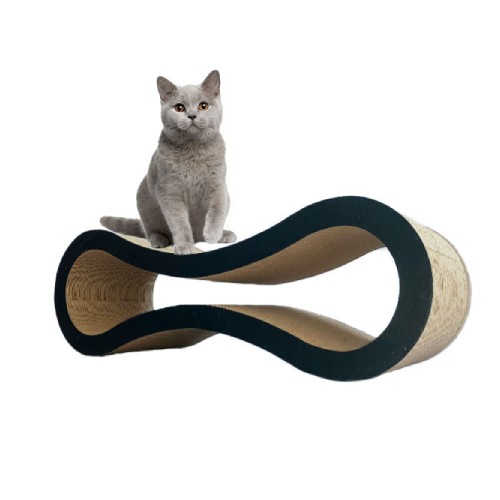
For years, the standard cat tree was a carpet-covered behemoth, functional perhaps, but an eyesore in most modern homes. The 2026 market demands something far more sophisticated. Cat owners are seeking enrichment solutions that cater to their cat's natural instincts—to climb, scratch, perch, and hide—while also complementing their interior design. This has led to the rise of modular, aesthetically pleasing cat furniture.
A successful modern cat tree is designed with a deep understanding of feline behavior. It should offer verticality, providing high perches from which a cat can survey its territory. It must include a variety of scratching surfaces—sisal rope is a classic, but corrugated cardboard and seagrass are also popular—to satisfy the instinct to mark territory and maintain claw health. It should offer enclosed, cozy spaces for hiding and sleeping.
Simultaneously, the design must appeal to the human owner. This means cleaner lines, a more minimalist aesthetic, and the use of materials that fit into a contemporary home. Think natural wood finishes, neutral-colored fabrics that can be removed for washing, and sleek metal accents. The concept of modularity is key here. Instead of a single, fixed structure, a modular system might consist of wall-mounted shelves, steps, and hammocks, or a series of floor-based cubes and platforms that can be configured in endless ways. This allows the owner to create a custom "cat superhighway" that fits their specific space and can be expanded or changed over time to prevent feline boredom.
The choice of materials is central to both the function and the aesthetic of the cat tree. High-quality, tightly wound sisal rope is the gold standard for scratching posts, as it is highly durable and satisfying for cats. For the structural components, instead of particleboard covered in cheap carpet, consider solid wood, premium plywood with a furniture-grade veneer, or even sturdy metal frames. The fabric elements for beds and hammocks should be durable yet soft, like canvas, fleece, or faux sherpa.
There is also a strong sub-market for eco-friendly cat furniture. Scratchers and hideaways made from compressed, recycled cardboard are surprisingly durable and very popular. These are often sold as "disposable" or "recyclable" enrichment, offering a low-cost, low-impact option for consumers. When sourcing, look for suppliers who can offer a diverse palette of materials and can work with you to create a product that is both cat-approved and design-conscious. A diverse catalog of pet items often showcases suppliers with this kind of versatility.
One of the primary challenges with sourcing cat trees and larger furniture items is the logistics of shipping. These products are often large and heavy, leading to high shipping costs, particularly when shipping via air freight. This is where strategic product design can make a significant difference. A product designed for flat-pack shipping, like much of the furniture from IKEA, can dramatically reduce volumetric weight and, therefore, shipping costs. This requires clever engineering to ensure the product is easy for the end consumer to assemble and remains sturdy once built.
Work with your supplier to optimize the packaging design. Can components be nested within each other to make the box smaller? Can you reduce weight by using lighter materials without compromising strength? This is also where a good logistics partner, like the one described by Basenton (2025), becomes invaluable. They can help you compare the costs of different shipping methods (e.g., sea vs. air), navigate customs clearance for oversized items, and find the most cost-effective way to get your product from the factory in China to your warehouse in the US or EU. Managing these logistical challenges effectively is key to maintaining a healthy profit margin on larger pet furniture items.
While the dog and cat markets are the largest, there is a significant and often underserved market of owners of small animals: rabbits, guinea pigs, hamsters, gerbils, and reptiles. For years, the standard offering for these pets has been a small, uninspired plastic and wire cage. However, just as with dogs and cats, the principle of humanization and enrichment is taking hold in this segment. Owners are now seeking larger, more naturalistic, and more engaging habitats for their small companions.
The modern small animal owner, educated by online communities and animal welfare advocates, understands that a tiny cage is not an adequate environment. They are looking for habitats that allow for natural behaviors. For hamsters and gerbils, this means enclosures with deep bases that can hold several inches of bedding for burrowing. For rabbits and guinea pigs, this means large "C&C" (Cubes and Coroplast) style pens or multi-level wooden hutches that provide ample space for running and exploring. For reptiles, the focus is on "bioactive" terrariums that replicate a natural ecosystem, complete with live plants and drainage layers.
The opportunity lies in sourcing and designing habitats that meet these advanced needs. Think modular systems that can be expanded, enclosures made from clear acrylic or glass for better visibility, and designs that incorporate different levels, ramps, and built-in hiding spots. These products command a much higher price than traditional cages because they are providing a demonstrably better quality of life for the pet.
Material safety is of paramount importance when it comes to small animals, many of which are prone to chewing on their enclosures. Any wood used must be untreated or treated with a pet-safe, non-toxic sealant. Plastics must be free of BPA and other harmful chemicals. Any paints or finishes must be certified as non-toxic. For wire components, the spacing of the bars is critical to prevent animals from getting their heads or limbs stuck.
When vetting a supplier for small animal habitats, you must be rigorous in your questioning about materials. Ask for safety certifications for all plastics, paints, and sealants. For wooden products, inquire about the type of wood used (some, like cedar, can be harmful to small animals) and how it is treated. A knowledgeable supplier will be able to provide this information and will understand the unique safety considerations for this product category.
The small animal market is not a monolith. The needs of a rabbit owner are very different from the needs of a bearded dragon owner. Success in this category often comes from specializing and deeply understanding a particular niche. For example, you could develop a line of habitats specifically for hamster enthusiasts, featuring deep bedding trays, large-diameter wheels, and multi-chamber hideouts that mimic natural burrows. Or you could focus on the reptile community, offering terrariums with built-in ventilation, secure locking mechanisms, and fixtures for heat lamps and UVB lighting.
Because these communities are often very active online, a well-designed product can quickly gain traction through word-of-mouth. Engaging with these communities to understand their pain points with existing products can provide invaluable insights for product development. By creating a product that solves a real problem for a dedicated group of hobbyists, you can build a strong, defensible brand in a market segment that larger companies often overlook.
Identifying high-margin pet products is only the beginning. The execution of your sourcing strategy is what will ultimately determine your success. This involves a meticulous, step-by-step process that takes your product idea from a concept to a retail-ready item in a warehouse in the US or Europe.
Before you send a single dollar, you must thoroughly vet your potential manufacturing partner or sourcing agent. The boom in e-commerce has made it easier than ever to find suppliers on platforms like Alibaba or Yiwugo.com, but it has also made it easier for subpar operators to create a convincing online presence .
Your due diligence should include several steps. First, ask for their business license and verify it. Inquire about their export history to your target market (US/EU). Ask for documentation of any quality management system certifications they hold, such as ISO 9001. Request references from other clients in non-competing sectors. If possible, arrange for a third-party factory audit. This is a service where an independent inspector visits the factory to verify their legitimacy, assess their production capacity, and check their quality control processes. The cost of an audit is a small price to pay for the assurance that you are dealing with a legitimate and capable partner.
Once you have selected a partner, the product development phase begins. This typically follows an OEM (Original Equipment Manufacturer) or ODM (Original Design Manufacturer) model.
In either case, the process culminates in the creation of a sample. Never, ever approve a full production run without first receiving and approving a physical sample. This is your opportunity to test the product's quality, functionality, and appearance. Be meticulous. Check the stitching, test the zippers, measure the dimensions, and use the product as a consumer would. Provide clear, consolidated feedback to the factory for any necessary revisions. This may require several rounds of samples, but it is a critical step to ensure the final product meets your standards.
Your responsibility for quality does not end once the sample is approved. You must have a quality control (QC) plan for the mass production phase. While many factories have their own internal QC teams, it is wise to arrange for an independent, third-party inspection. This is typically done when a certain percentage of the production run is complete (a "during-production inspection") and again before the goods are shipped (a "pre-shipment inspection" or PSI).
During a PSI, an inspector will visit the factory and check a random sample of your products against a detailed checklist that you provide. This checklist should cover everything from product dimensions and colors to function testing, packaging, and labeling. The inspector will then provide you with a detailed report, including photographs, of any defects found. This gives you the leverage to have the factory correct any issues before the goods leave China and before you make your final payment.
Getting your products from the factory to your warehouse involves navigating the complex world of international logistics and customs. You will need to decide on a shipping method (sea freight is slower but much cheaper for bulk goods; air freight is fast but expensive) and understand the Incoterms (International Commercial Terms) of your agreement, such as FOB (Free On Board) or EXW (Ex Works), which define who is responsible for the goods at each stage of the journey (Basenton, 2025).
You must also correctly classify your products using the Harmonized System (HS) code. This code determines the tariff or import duty rate you will have to pay when the goods enter the US or EU. An incorrect HS code can lead to delays and fines. Finally, you must ensure your products and their packaging comply with all relevant regulations in your target market. This includes safety standards like the Consumer Product Safety Improvement Act (CPSIA) in the US, labeling requirements, and any specific regulations pertaining to your product type, such as the electronics certifications (CE/FCC/UKCA) discussed earlier. Partnering with an experienced freight forwarder or customs broker is highly recommended to help navigate this final, critical stage of the import process.
Q1: What is the most significant mistake new importers make when sourcing pet products from China?
The most common and costly mistake is failing to perform adequate due diligence on their supplier and neglecting independent quality control. Many new importers are enticed by low prices on online platforms and place large orders without verifying the factory's legitimacy or inspecting the goods before shipment. This can lead to receiving a shipment of low-quality, unsellable products, or in the worst-case scenario, losing their entire investment to a fraudulent operator. Always invest in factory audits and pre-shipment inspections.
Q2: How much should I budget for samples, inspections, and shipping?
There is no fixed percentage, but you should factor these costs into your total cost of goods sold (COGS) from the very beginning. Samples can range from being free (if you place a large order) to several hundred dollars, depending on complexity. A pre-shipment inspection typically costs between $200 and $400 per day. Shipping costs vary dramatically based on volume, weight, and method (sea vs. air), but can represent a significant portion of your product cost, often 10-40%. It is crucial to get detailed quotes for all these elements before finalizing your pricing.
Q3: What are MOQs, and how can I negotiate them?
MOQ stands for Minimum Order Quantity, which is the smallest order a factory is willing to produce. For startups, high MOQs can be a significant barrier. If a factory's MOQ is too high, you have a few options. You can try to negotiate, perhaps by offering to pay a slightly higher per-unit price for a smaller run. You can also work with a sourcing agent, who often has relationships with factories that are more flexible and willing to accept smaller orders to help new brands get started.
Q4: How do I ensure the materials used in my pet toys are non-toxic and safe?
The best way is to be specific in your requirements and demand proof. Instead of just asking for "safe plastic," specify that you require a material like food-grade TPE that is free of BPA, phthalates, and lead. Then, request the material safety data sheets (MSDS) and testing reports (such as those for REACH compliance in the EU or CPSIA in the US) from the supplier. For truly high-risk products, you can also send a sample to an independent lab for testing to verify the supplier's claims.
Q5: What is the difference between OEM and ODM, and which is better for a new brand?
OEM (Original Equipment Manufacturer) is when you provide the factory with your own unique design, and they build it for you. ODM (Original Design Manufacturer) is when you choose a pre-existing product design from the factory's catalog and have them customize it with your branding. For most new brands, ODM is the faster, cheaper, and lower-risk path to market. It allows you to launch a product without investing heavily in research and development, while still creating a distinct brand identity through custom packaging and logos.
Q6: How long does the entire process take, from finding a supplier to receiving the goods?
A realistic timeline from initial supplier outreach to having goods in your US or EU warehouse is typically 4 to 6 months. This can be broken down roughly as: Supplier vetting (2-4 weeks), sample development and approval (4-8 weeks), mass production (4-6 weeks), and sea freight shipping plus customs clearance (4-6 weeks). Rushing any of these stages, particularly sampling and quality control, significantly increases your risk.
Q7: Are there specific Chinese regions known for pet product manufacturing?
Yes, manufacturing in China is often geographically clustered. The Yangtze River Delta, including cities like Hangzhou and Yiwu, is a major hub for a vast range of pet products, from toys to beds . The Pearl River Delta, including cities like Shenzhen and Guangzhou, is particularly strong in electronics, making it a good place to source smart pet devices. Tianjin is also emerging as a key industrial belt for foreign trade.
Q8: How do I handle payments to Chinese suppliers safely?
A common and relatively safe payment structure is to pay 30% of the total order value upfront to begin production and the remaining 70% after the goods have passed a pre-shipment inspection but before they are released from the factory. Many suppliers will request this final payment before the bill of lading is released. Using a wire transfer (T/T) is standard. For smaller orders or samples, PayPal is common, though it has higher fees. Avoid paying 100% upfront under any circumstances.
The journey of bringing a successful pet product to the 2026 US and European markets is a complex but navigable one. It requires a shift in perspective from being a simple buyer to becoming a strategic product developer and supply chain manager. Success is not found in merely chasing the lowest price, but in deeply understanding the values of the modern pet owner—their desire for products that are sustainable, technologically advanced, health-promoting, and beautifully designed. The Chinese manufacturing ecosystem, with its vast capabilities in customization and production, offers immense opportunities for those who approach it with diligence and a clear strategy. By focusing on high-margin niches, vetting partners rigorously, insisting on quality at every step, and navigating the intricacies of international logistics and compliance, you can build a resilient and profitable brand. The future of the pet products industry belongs to those who recognize that they are not just selling items, but are providing tools that enrich the profound and cherished bond between humans and their animal companions.