
An examination of the modern automobile engine reveals a complex ecosystem where long-term health is contingent upon the synergistic function of numerous components. This analysis focuses on three specific categories of automobiles accessories: oil radiators, engine sensors, and valve chamber covers. It posits that these parts, while often relegated to a secondary status in routine maintenance discussions, are foundational to preserving engine vitality, performance, and efficiency. The study explores the underlying principles of their operation, from the thermodynamic necessities of oil cooling to the digital communication of sensors and the structural integrity required of valve covers. It investigates the material science, engineering tolerances, and manufacturing quality that differentiate superior components from inferior ones. By elucidating the cascading failures that can arise from neglecting these items, this document argues that a discerning approach to their selection and upkeep is not merely preventative but is an act of responsible stewardship for any vehicle owner in 2026. The inquiry also touches upon the global supply chains, such as those originating from industrial hubs like Tianjin, which provide access to these critical parts.
To approach the subject of vehicle maintenance is to engage in a dialogue with a complex, dynamic system. An engine is not a mere collection of parts; it is a community of components, each with a specific role, all working in a delicate and demanding concert. When we lift the hood of a car, we are not simply looking at metal and wires, but at an intricate ecosystem where the health of one part is inextricably linked to the well-being of the whole. Thinking about our vehicles in this way, with a kind of mechanical empathy, allows us to move beyond a reactive "fix-it-when-it's-broken" mindset. It encourages a proactive stewardship, a deeper understanding of the machine's needs, and an appreciation for the silent, tireless work performed by its most vital organs.
Imagine an orchestra. The string section is not more important than the percussion, nor the woodwinds more vital than the brass. A masterpiece is only possible when every musician plays their part correctly, in time, and in harmony with everyone else. A single mistuned violin or a missed cue from a cymbal can disrupt the entire performance. The modern internal combustion engine operates on a similar principle of interdependence.
The crankshaft, pistons, and connecting rods form the rhythmic heart of the engine, converting the explosive energy of combustion into rotational force. But this core function cannot happen in isolation. It relies on the fuel system for a precise mixture of air and gasoline, the ignition system for a perfectly timed spark, and the cooling system to manage the immense heat generated. The lubrication system, a network of passages and pumps, is like the engine's circulatory system, delivering life-giving oil to every moving part to reduce friction and wear. The components we will explore here—oil radiators, sensors, and valve chamber covers—are not the star soloists, but they are the indispensable members of the orchestra whose failure would lead to discord and, eventually, silence. A sensor provides the conductor—the Engine Control Unit (ECU)—with the information it needs to direct the performance. An oil radiator ensures the lubrication system does not falter under pressure. A valve cover protects the delicate valvetrain, the part of the engine that allows it to "breathe."
A common human tendency is to economize, to seek the path of least immediate expense. In the context of vehicle maintenance, this often manifests as deferring the replacement of a seemingly minor part or choosing the cheapest available option. This is a false economy. The initial savings realized by purchasing a low-quality sensor or a poorly manufactured valve cover gasket are often dwarfed by the eventual cost of the damage they cause. A leaking valve cover, for instance, may seem like a small annoyance—a few drops of oil on the driveway. Yet, that leaking oil can saturate spark plug wires, causing misfires. It can drip onto a hot exhaust manifold, creating a fire hazard. It can degrade engine mounts and belts, leading to much more significant and expensive repairs down the line.
Similarly, a faulty oxygen sensor that costs a fraction of a major repair can feed incorrect information to the ECU. The ECU, acting on this bad data, might enrich the fuel mixture, leading to poor fuel economy, fouled spark plugs, and, most destructively, the overheating and eventual failure of the catalytic converter—a repair that can cost thousands of dollars. The logic is inescapable: investing in high-quality automobiles accessories is not an expense but an insurance policy against catastrophic failure. It reflects an understanding that the integrity of the whole system depends on the quality of its individual parts.
In our interconnected world of 2026, the components that keep our vehicles running come from a vast and complex global supply chain. Manufacturing centers of excellence have emerged around the globe, specializing in the production of high-quality automotive parts. Cities like Tianjin in China have become pivotal in this network, leveraging advanced manufacturing capabilities and strategic locations within Pilot Free Trade Zones to produce and export a wide array of components (China (Tianjin) Pilot Free Trade Zone, 2024). The Tianjin Port Free Trade Zone, for example, is noted for its favorable policies and streamlined procedures, which facilitate the movement of goods and encourage investment in high-quality production .
For a consumer or a repair professional in the United States or Europe, this globalized market offers both opportunities and challenges. The opportunity lies in the access to a broader range of high-quality components, often at competitive prices. The challenge is in navigating this market to distinguish the reputable manufacturers from those who cut corners. This is where established trade associations and platforms become invaluable. By leveraging such reputable global trade platforms, discerning buyers can source parts with confidence, knowing they are investing in the longevity and reliability of their vehicle's ecosystem.
Heat is the engine's greatest adversary. While combustion requires heat to generate power, excessive heat is a destructive force that degrades materials, compromises tolerances, and breaks down the very fluids designed to protect the engine. The primary cooling system, which circulates coolant through the engine block and radiator, handles the bulk of this thermal load. However, the engine oil itself plays a crucial role in cooling, absorbing a significant amount of heat from critical components like the pistons, bearings, and turbocharger. Under demanding conditions—such as towing, high-performance driving, or even sitting in heavy traffic on a hot day—the oil can become superheated, and this is where an oil radiator, or oil cooler, becomes not just a performance upgrade, but an essential guardian of the engine's life.
The principle behind an oil radiator is elegantly simple: it increases the surface area and airflow available to the oil, allowing it to shed heat more effectively. It is a small, secondary radiator that is plumbed into the engine's lubrication system. Hot oil is diverted from the engine, typically after the oil filter, and routed through the network of tubes and fins that make up the oil cooler. As the oil flows through these passages, heat is transferred from the fluid to the metal of the cooler via conduction. The fins, which project out from the tubes, dramatically increase the surface area exposed to the air. As cooler, ambient air flows over these fins (either from the vehicle's forward motion or from the radiator fan), it carries the heat away through a process called convection. The now-cooler oil is then returned to the engine's sump, ready to begin its protective journey once again.
Think of it like trying to cool a hot cup of coffee. You can simply let it sit, and it will eventually cool by radiating heat into the room. But if you pour that coffee into a wide, shallow pan, it will cool much faster. You have increased its surface area. If you then blow across the surface of the pan, it will cool faster still. You have added convection. An oil radiator applies these same fundamental principles of thermodynamics to the engine's lubrication system, providing a powerful and efficient means of thermal management (White, 2021).
To appreciate the function of an oil cooler, one must first understand what happens to engine oil when it gets too hot. Engine oil is a sophisticated chemical cocktail. It consists of a base oil (either mineral or synthetic) and a package of additives that perform various functions: detergents to keep surfaces clean, dispersants to hold contaminants in suspension, anti-wear agents to form a protective film on metal parts, and viscosity index improvers to maintain stability across a range of temperatures.
When oil temperatures consistently exceed their optimal range (typically around 100-115°C or 212-240°F), these components begin to break down in a process called thermal degradation.
An oil cooler directly combats these issues by keeping the oil within its optimal temperature window. This stabilizes viscosity, dramatically slows oxidation, and preserves the additive package, ensuring the oil can do its job effectively for its full service life (Rizvi, 2009).
The choice of material for an oil radiator is a critical engineering decision that balances thermal conductivity, strength, weight, and cost. While various alloys exist, the primary options are aluminum, copper/brass, and stainless steel.
| Feature | Aluminum | Copper/Brass | Stainless Steel |
|---|---|---|---|
| Thermal Conductivity | Excellent. Lightweight and transfers heat very efficiently. | Superior. The best material for pure heat transfer, but heavier. | Fair. Significantly lower conductivity than aluminum or copper. |
| Weight | Very Light. Ideal for performance applications where weight is a concern. | Heavy. The density of copper makes these coolers notably heavier. | Heavy. Similar in weight to copper/brass coolers. |
| Corrosion Resistance | Good. Forms a protective oxide layer. Can be susceptible to certain coolants. | Moderate. Brass is more resistant than pure copper, but can still corrode. | Excellent. Highly resistant to rust and chemical corrosion. |
| Durability & Strength | Good. Modern brazing techniques create strong units. Can be punctured. | Moderate. Softer material, more prone to damage from vibration or impact. | Very High. Extremely strong and resistant to physical damage. |
| Cost | Moderate. The most common material due to its balanced properties. | High. The cost of raw copper makes these the most expensive option. | Moderate to High. Less expensive than copper but more than aluminum. |
| Best Use Case | Most modern cars, performance driving, daily use. | Classic car restorations, specific industrial applications. | Heavy-duty trucks, marine environments, off-road vehicles. |
For the majority of automotive applications in 2026, aluminum is the material of choice. Manufacturing advances, particularly controlled atmosphere brazing, have allowed for the creation of strong, lightweight, and highly efficient aluminum coolers that offer the best all-around performance. When seeking high-quality oil radiator options, one will find that aluminum constructions, particularly those with a dense fin pack and quality welds, provide the most effective solution for passenger and light performance vehicles.
Choosing the correct oil radiator is not a "one-size-fits-all" proposition. An oversized cooler can be as detrimental as an undersized one. If a cooler is too efficient, it can prevent the oil from reaching its optimal operating temperature, especially in colder climates. Oil that is too cool is less effective at burning off condensation and contaminants, which can lead to a different kind of sludge formation. The goal is thermostatic balance.
Here are some factors to consider:
A thoughtful assessment of these factors will guide you to a solution that provides robust protection without compromising the engine's ability to reach its proper operating temperature.
The proper installation of an oil radiator is just as important as the quality of the unit itself. A poorly installed cooler can lead to leaks, oil starvation, and engine failure. Hoses must be routed carefully to avoid sharp bends that restrict flow, chafing against other components, or proximity to hot exhaust parts. Fittings must be tightened to the correct torque specification; over-tightening can damage the threads or crush the seals, while under-tightening will result in leaks. It is imperative to prime the cooler and lines with fresh oil before starting the engine for the first time after installation. This prevents a momentary period of oil starvation while the system fills itself.
Maintenance is straightforward. The cooler's fins should be inspected periodically and cleaned of any accumulated debris like bugs, leaves, or dirt, which can block airflow and reduce efficiency. A soft brush and low-pressure water or air are sufficient. The hoses and fittings should also be inspected regularly for any signs of cracking, swelling, or weeping, which would indicate that replacement is necessary. With proper installation and minimal periodic care, a quality oil radiator will serve as a silent and steadfast guardian of your engine's health for many years.
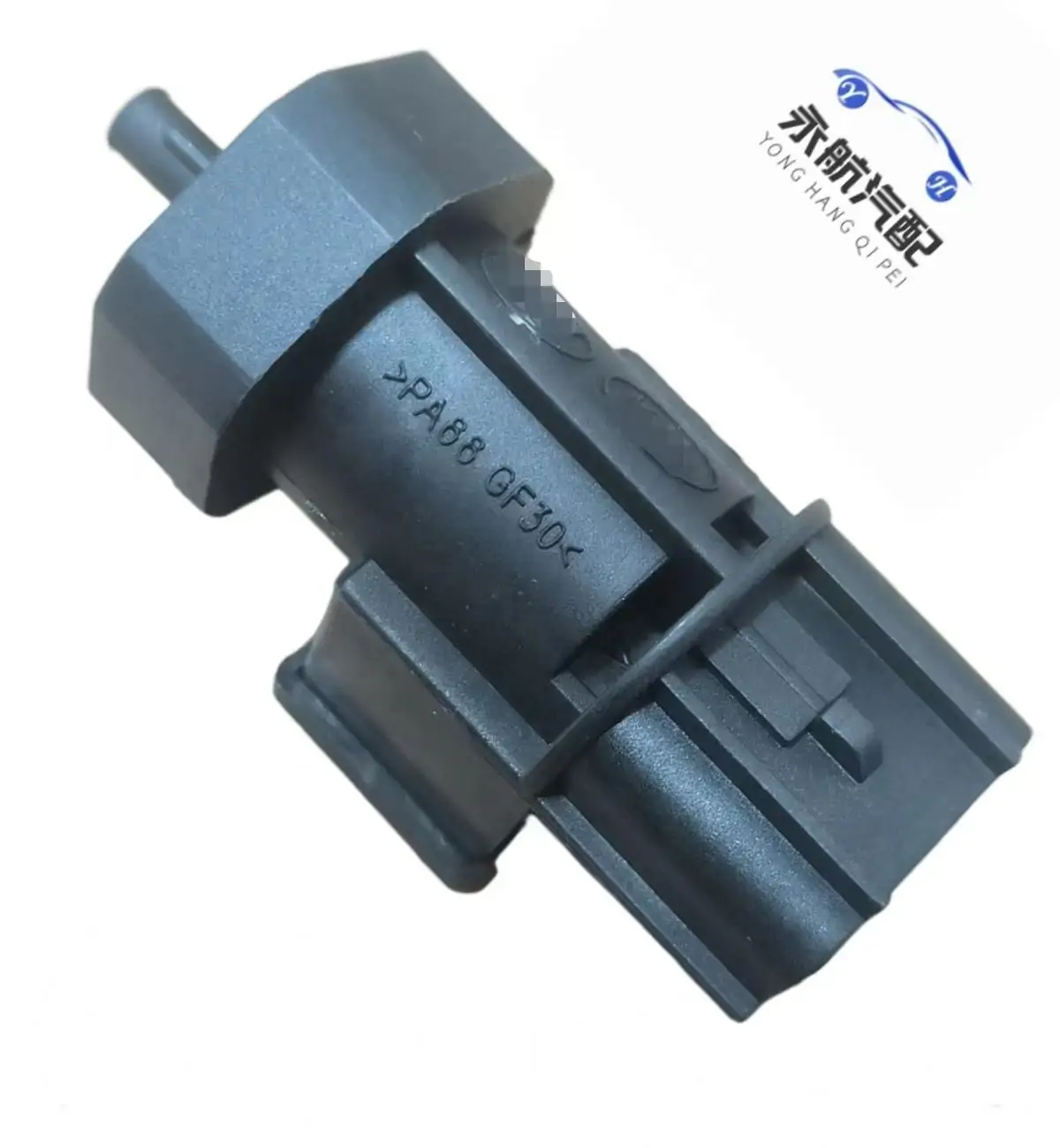
If the engine is a complex body, then its network of sensors is its nervous system. These small, often inconspicuous devices are the engine's sense organs, constantly monitoring a vast array of conditions: temperature, pressure, speed, position, and chemical composition. They translate these physical phenomena into electrical signals, which are sent to the Engine Control Unit (ECU), the engine's brain. The ECU processes this torrent of information in real-time, making thousands of micro-adjustments every second to the fuel delivery, ignition timing, and other critical parameters. This constant feedback loop is what allows a modern engine to be powerful, efficient, and clean-running. An understanding of these sensors is an understanding of how a modern engine thinks.
At its core, an automotive sensor is a type of transducer—a device that converts one form of energy into another. In this case, it converts a physical property into an electrical signal. For example, a temperature sensor uses a material whose electrical resistance changes predictably with temperature. The ECU sends a known voltage to the sensor and measures the change in that signal to calculate the temperature. A pressure sensor uses a flexible diaphragm that changes the electrical properties of a circuit as it deforms under pressure.
This process is analogous to the human sense of touch. Nerves in your fingertips detect pressure and temperature. They don't send the "feeling" of heat to your brain; they send a pattern of electrical impulses. Your brain then interprets those impulses as "hot." Similarly, an oxygen sensor doesn't send "oxygen" to the ECU; it sends a specific voltage, and the ECU is programmed to interpret that voltage as a corresponding air-fuel ratio. The reliability of this entire system hinges on the assumption that the sensor is providing an accurate and truthful signal. A deceptive sensor, like a dishonest witness, can lead the ECU to make profoundly wrong decisions.
While a modern vehicle can have over a hundred sensors, a few are so fundamental to the engine's operation that their failure can bring the entire system to a halt. We can consider three of these to be the most critical nerve centers.
The Oxygen (O2) Sensor: Located in the exhaust stream, the O2 sensor is the primary feedback device for fuel control. It measures the amount of unburned oxygen in the exhaust gases. A high level of oxygen indicates a lean mixture (too much air, not enough fuel), while a low level indicates a rich mixture (too much fuel, not enough air). The most common type uses a zirconium dioxide element that generates a voltage in the presence of oxygen. The ECU constantly monitors this voltage and adjusts the amount of fuel being injected to maintain the ideal stoichiometric ratio (approximately 14.7 parts air to 1 part fuel for gasoline). This precise control is necessary for the catalytic converter to work effectively, reducing harmful emissions (Isermann, 2005). A failing O2 sensor can cause poor fuel economy, failed emissions tests, and damage to the catalytic converter.
The Mass Airflow (MAF) Sensor: Situated between the air filter and the throttle body, the MAF sensor measures the mass of air entering the engine. Knowing the exact mass of the air (not just its volume, which changes with temperature and altitude) is crucial for the ECU to calculate the corresponding mass of fuel to inject. A common type is the "hot-wire" sensor, which uses a heated platinum wire. As air flows past the wire, it cools it down. The sensor's circuitry measures the amount of electrical current needed to keep the wire at a constant temperature, which is directly proportional to the mass of the airflow. Contamination of this wire with dirt or oil can insulate it, causing it to read a lower airflow than is actually present. The ECU then injects less fuel, resulting in a lean condition, hesitation, and a lack of power.
The Crankshaft Position Sensor (CKP): This is arguably the most important sensor in the entire engine. The CKP sensor tells the ECU two things: the rotational speed of the crankshaft (RPM) and its precise position. Without this information, the ECU has no idea when to fire the spark plugs or inject the fuel. The engine simply cannot run without a signal from the CKP sensor. Most CKP sensors work on either the Hall effect or magnetic reluctance principle. They read teeth on a reluctor wheel attached to the crankshaft. As each tooth passes the sensor, it generates a pulse. The frequency of these pulses gives the RPM, and a unique gap or pattern of teeth tells the ECU the exact position of the piston #1 at top dead center. A failing CKP sensor can cause intermittent stalling, no-start conditions, and rough running.
A failing sensor will often provide clues before it fails completely. Learning to recognize these symptoms is a key part of proactive ownership. The most obvious sign is the illumination of the "Check Engine" light, but other, more subtle performance issues can also point to a specific sensor.
| Symptom | Possible Failing Sensor(s) | Explanation |
|---|---|---|
| Reduced Fuel Economy | Oxygen (O2) Sensor, Mass Airflow (MAF) Sensor, Coolant Temp Sensor | An O2 sensor stuck in a "rich" reading or a faulty MAF sensor can cause the ECU to inject excess fuel. A coolant sensor stuck on "cold" can also cause rich running. |
| Engine Hesitation or Stumbling | Mass Airflow (MAF) Sensor, Throttle Position Sensor (TPS) | A dirty MAF sensor under-reports airflow, causing a lean stumble. A TPS with a "dead spot" can cause a flat spot during acceleration. |
| Rough Idle | MAF Sensor, O2 Sensor, Crankshaft Position Sensor (CKP) | An erratic signal from any of these sensors can cause the ECU to make incorrect adjustments at idle, leading to instability. |
| Engine Stalls Intermittently | Crankshaft Position Sensor (CKP), Camshaft Position Sensor (CMP) | As these sensors heat up, internal connections can fail, causing the signal to drop out. Once it cools, it may work again. The engine cannot run without a CKP signal. |
| No-Start Condition | Crankshaft Position Sensor (CKP) | If the ECU receives no signal from the CKP sensor, it will not activate the fuel pump or the ignition system as a safety measure. |
| Black Smoke from Exhaust | Mass Airflow (MAF) Sensor, Coolant Temp Sensor, MAP Sensor | This indicates a very rich fuel mixture. A faulty sensor is convincing the ECU that the engine needs far more fuel than it actually does. |
| Failed Emissions Test | Oxygen (O2) Sensor | The O2 sensor is central to the emissions control system. A lazy or biased sensor will prevent the system from operating correctly, leading to high levels of pollutants. |
The market for diverse automobiles & motorcycles components is vast, and sensors are a prime example of where quality truly matters (Easygoglobal). A sensor is a precision instrument. A high-quality sensor from a reputable manufacturer is calibrated to provide an accurate signal across a wide range of temperatures and conditions. Its internal electronics are robust and protected from vibration and thermal stress.
In contrast, a low-quality, counterfeit, or "white box" sensor may look identical on the outside, but its internal components are often inferior. It may not be properly calibrated, causing it to send a signal that is biased lean or rich from the very start. Its electronics may be susceptible to heat, causing the signal to drift or become erratic as the engine warms up. It might work well enough to turn off the Check Engine light for a short time, but the underlying performance and economy issues will remain because the ECU is still working with flawed data.
This creates a diagnostic nightmare. A technician might spend hours chasing a "lean condition" code, replacing fuel pumps and checking for vacuum leaks, when the root cause is a cheap, new oxygen sensor that is lying to the ECU. The financial and temporal cost of this misdirection far outweighs the initial savings on the part. Investing in a sensor from a known OE supplier or a high-quality aftermarket brand is an investment in diagnostic certainty and long-term reliability.
The evolution of automotive sensors is moving towards "smart" or "intelligent" sensors. A traditional sensor is a "dumb" device; it simply outputs a raw voltage or signal. A smart sensor has a microprocessor and memory built into it. It can process its own signal, linearize it, perform self-diagnostics, and communicate with the ECU over a digital network like a CAN bus (Controller Area Network).
This offers several advantages. It reduces the processing load on the main ECU. It allows for more complex sensing functions. Most importantly, it opens the door to predictive maintenance. A smart sensor can monitor its own performance over time. It can recognize when its signal is beginning to drift or become "lazy," even before it goes far enough out of range to trigger a fault code. It could then send a message to the vehicle's diagnostic system, alerting the driver or technician that "the downstream oxygen sensor is operating at 80% efficiency and is projected to fail within the next 3,000 miles." This would allow for the replacement of the part at a convenient time, before it causes any secondary issues, transforming vehicle maintenance from a reactive to a truly predictive process.
In the hierarchy of engine components, the valve chamber cover, often called simply the valve cover, might seem humble. It is, on the surface, just a lid. It sits atop the cylinder head, covering the intricate assembly of valves, springs, rockers, and camshafts that constitute the valvetrain. Its most obvious job is to keep the oil that lubricates these parts in, and to keep dirt, dust, and moisture out. Yet, its role is more nuanced and more critical to the engine's long-term health than this simple description suggests. A failure in this component is not merely a cosmetic issue of an oily engine; it is a breach in the engine's defenses that can lead to a cascade of problems.
To appreciate the valve cover, we must look beyond its role as a simple seal. It performs several key functions within the engine ecosystem.
Oil Containment and Distribution: The primary function is, of course, to seal the top of the cylinder head. The valvetrain operates in a constant bath of oil, which is sprayed and splashed to lubricate the dozens of high-friction contact points. The valve cover ensures this oil stays within the engine, eventually draining back down into the oil pan. Some modern valve covers also have intricate baffles and channels molded into their underside to help direct oil to specific areas and to aid in oil/air separation.
Integration with the PCV System: The valve cover is a key part of the Positive Crankcase Ventilation (PCV) system. During combustion, some high-pressure gases inevitably blow past the piston rings and into the crankcase. These "blow-by" gases, if left unchecked, would build up pressure, pushing out seals and gaskets all over the engine. The PCV system uses engine vacuum to draw these gases out of the crankcase and back into the intake manifold to be burned. The valve cover typically contains the port where these gases are drawn from, as well as a baffle system to prevent liquid oil from being sucked out along with the gases. A cracked valve cover or a faulty PCV valve can disrupt this system, leading to oil leaks and sludge formation.
Contaminant Barrier: The engine bay is a hostile environment, full of dust, water, and road grime. The valve cover provides an essential barrier, protecting the pristine, highly-engineered environment of the valvetrain. Any ingress of dirt or water would act as an abrasive, rapidly wearing down camshaft lobes, rocker arms, and valve stems.
Noise, Vibration, and Harshness (NVH) Reduction: The valvetrain is a noisy piece of machinery, with the constant clatter of valves opening and closing thousands of times per minute. Modern valve covers, especially those made from composite materials, are designed to help dampen this noise, contributing to a quieter and more pleasant driving experience.
The most common failure point associated with the valve cover is not the cover itself, but the gasket that sits between it and the cylinder head. This gasket has a difficult job. It must maintain a perfect seal despite massive temperature swings, constant vibration, and exposure to hot, chemical-laden engine oil. Over time, these factors take their toll.
Gasket materials have evolved, from cork and rubber in older vehicles to advanced fluoroelastomer and silicone compounds in modern cars. But all materials eventually age. They become hard and brittle, lose their elasticity, and can no longer conform to the mating surfaces. Thermal cycles—the constant expansion and contraction of the aluminum cylinder head and the valve cover material as the engine heats up and cools down—cause the gasket to be compressed and relaxed thousands of times, eventually leading to cracks and weak spots.
The consequences of a "simple" valve cover gasket leak can be surprisingly far-reaching:
The material used to make the valve cover itself has a significant impact on its performance and longevity. The design has evolved considerably over the decades.
Stamped Steel: The classic choice for many years. Steel covers are durable, inexpensive to produce, and strong. However, they are also heavy and prone to leaking. The thin stamped flange can easily be distorted or bent if the cover is over-tightened, creating a permanent leak path that even a new gasket cannot seal. They also offer poor NVH (Noise, Vibration, and Harshness) damping.
Cast Aluminum: An improvement over steel, cast aluminum covers became popular in the 1980s and 90s. They are much more rigid than stamped steel, providing a more stable and consistent clamping force on the gasket, which makes them far less prone to leaking. They also dissipate heat better than steel and can be cast into more complex shapes. Their main drawbacks are higher weight and cost compared to steel or composites.
Composite Polymers: The dominant material for modern valve covers. These are made from high-temperature plastics, often glass-reinforced nylon or similar polymers. They offer a host of advantages. They are extremely lightweight, which contributes to fuel economy. They can be molded into very complex shapes, allowing for the seamless integration of PCV baffles, ignition coil mounts, and other features. They are also excellent at damping valvetrain noise. Their primary disadvantage is that over many years and heat cycles, the plastic can become brittle and prone to cracking, especially around bolt holes or PCV ports.
When replacing a valve cover, it is often wise to stick with the material the vehicle was originally designed with, but to choose a high-quality replacement. A poorly molded composite cover might have flashing that interferes with the gasket seal, or it might use a lower-grade polymer that becomes brittle and cracks much sooner than the original part.
When a valve cover or gasket needs replacement, the owner is faced with a choice between an Original Equipment Manufacturer (OEM) part and an aftermarket part.
OEM Parts: These are identical to the parts the vehicle was fitted with at the factory. They guarantee a perfect fit and are made from materials specified and tested by the vehicle manufacturer. Their primary downside is cost; they are almost always the most expensive option.
Aftermarket Parts: These are produced by companies other than the original manufacturer. The quality of aftermarket parts exists on a very wide spectrum.
The prudent choice is to avoid the cheapest options and select either an OEM part or one from a well-regarded aftermarket manufacturer known for quality engineering. The small additional upfront cost provides peace of mind and saves money and labor in the long run.
Replacing a valve cover gasket is a task that many home mechanics can tackle, though the difficulty varies greatly between vehicles. The general process, however, follows a logical sequence.
Following this careful process ensures that this humble but vital component can continue to do its job effectively, protecting the heart of your engine.
Your car's main cooling system uses coolant (a mixture of antifreeze and water) to manage the temperature of the engine block and cylinder heads. However, the engine oil itself also absorbs a tremendous amount of heat, especially from high-friction areas like bearings and the pistons. Under heavy load, the oil can get hot enough to break down and lose its ability to lubricate effectively. An oil radiator, or oil cooler, is a separate, smaller radiator just for the oil, ensuring it stays at its optimal temperature, which protects the engine from premature wear.
Yes, a faulty sensor is one of the most common reasons for the "Check Engine" light to illuminate. The light indicates that the Engine Control Unit (ECU) has detected a problem in the emissions or engine management system. Sensors like the oxygen sensor, mass airflow sensor, or crankshaft position sensor provide the ECU with vital data. If a sensor fails or sends an incorrect signal, the ECU will log a fault code and turn on the light to alert you.
While it may seem minor, even a small oil leak from the valve cover should be addressed promptly. The leaking oil can drip onto hot exhaust components, creating a significant fire risk. It can also damage other rubber and plastic parts, such as spark plug wires, belts, and engine mounts, leading to more expensive repairs. On many engines, the leak can also fill the spark plug tubes with oil, causing engine misfires.
An OEM (Original Equipment Manufacturer) gasket is the same part that the vehicle was built with at the factory, guaranteeing fit and quality but usually at a higher price. An aftermarket gasket is made by a different company. The quality of aftermarket parts varies widely. High-quality aftermarket brands may offer equivalent or even improved designs, while cheap, low-quality gaskets often use inferior materials that can fail quickly, forcing you to repeat the repair.
For an experienced home mechanic, installing an oil radiator is a manageable project. It involves mounting the radiator, routing hoses, and installing a sandwich plate adapter at the oil filter housing. However, it is a critical job. Any leaks in the system can lead to rapid oil loss and catastrophic engine failure. If you are not completely confident in your ability to route hoses safely and tighten fittings correctly, it is best to have the installation performed by a professional technician.
The best way to identify a bad sensor is to have the fault codes read from your vehicle's computer using an OBD-II scanner. The code will point to a specific circuit or system (e.g., "P0135 - O2 Sensor Heater Circuit Malfunction"). While the code doesn't always mean the sensor itself is the only problem, it is the most crucial piece of information for starting the diagnosis.
Composite valve covers are the modern standard for good reason. They are much lighter than steel or aluminum, they are excellent at reducing engine noise, and they can be molded into complex shapes that integrate other functions like the PCV system. Their main weakness is that they can become brittle and crack after many years of heat cycles. Metal covers are more durable but are heavier and more prone to leaking if they are the stamped steel variety.
The journey through the engine's inner world, from the thermal demands managed by the oil radiator to the neurological network of sensors and the protective seal of the valve cover, reveals a clear truth. The longevity and vitality of a machine are not a matter of chance, but a direct result of informed and conscientious care. To treat these components as mere commodities, opting for the cheapest part without regard for its origin or quality, is to misunderstand the nature of the system. It is to invite discord, inefficiency, and eventual failure.
A more enlightened approach views vehicle maintenance as an act of stewardship. It requires a degree of empathy for the machine—an effort to understand its language of sounds, temperatures, and warnings. It demands a respect for the precision and quality engineered into its components. By choosing high-quality automobiles accessories, whether for the lubrication, electronic, or sealing systems, we are not merely replacing parts. We are upholding the integrity of an ecosystem, ensuring that the symphony of combustion can continue to play harmoniously for many years and miles to come. This perspective transforms a simple repair into a meaningful investment in reliability and peace of mind.