
The international trade in dried fruit represents a significant segment of the global food product market, with China emerging as a principal supplier. This analysis examines the multifaceted process of sourcing dried and preserved fruits from China for Western markets, specifically the United States, United Kingdom, and Spain, in the context of 2026. It delineates a systematic, seven-point framework for importers and businesses to navigate the complexities of supplier verification, quality assessment, and regulatory compliance. The discourse moves beyond a superficial checklist, delving into the scientific underpinnings of processing methods like freeze-drying and dehydration, the toxicological implications of common additives, and the legal-economic structures of international food safety certifications. By synthesizing insights from food science, international trade law, and supply chain management, this document provides a comprehensive methodology for mitigating risks and ensuring the procurement of safe, high-quality fruit-based food products. The objective is to equip readers with the critical reasoning and practical knowledge necessary to make informed, responsible sourcing decisions in a dynamic global marketplace.
The act of selecting a food product from a distant land is not merely a commercial transaction; it is an act of trust. When we, as consumers or business owners, choose to import dried fruits from a country like China, we are placing our faith in a long chain of individuals—farmers, processors, packers, and exporters. How can we ensure that this trust is well-placed? The challenge lies in bridging the geographical and cultural distance with a robust framework of inquiry and verification. This guide is constructed not as a simple list of instructions, but as a philosophical and practical exploration of what it means to source responsibly in 2026. We will dissect the process into seven core areas of investigation, approaching each with the meticulousness of a scholar and the pragmatism of a seasoned importer. Our goal is to cultivate a capacity for judgment, enabling you to distinguish a superior food product from an inferior one and a trustworthy partner from a potential liability.
The foundation of trust in the global food supply chain is built upon a common language of safety and quality, articulated through certifications. These acronyms—BRCGS, HACCP, ISO 22000—are not mere logos to be collected on a supplier's website; they represent rigorous, verifiable commitments to processes that protect public health. To ignore them is to navigate a treacherous sea without a compass.
A supplier's claim of certification, such as those listed by manufacturers like Tianjin TTN Technology and Qingdao Merry Time, is the beginning of your inquiry. The first step is to request the certification documents. The second, more vital step is to verify their authenticity and applicability. Certification bodies maintain public directories where one can confirm the status of a certified company. Is the certificate current? Does it cover the specific food product you intend to purchase, be it freeze-dried mango or vacuum-fried okra?
Not all certifications are created equal. They address different aspects of the production process and are recognized with varying degrees of authority in different markets. Understanding their distinctions is paramount for any serious importer.
| Certification | Primary Focus | Key Elements | Relevance for a Dried Fruit Importer |
|---|---|---|---|
| HACCP | Hazard Analysis & Critical Control Points | Identifies potential food safety hazards (biological, chemical, physical) and establishes control points to prevent them. | A foundational, process-oriented system. Essential for ensuring basic safety protocols are in place during processing. |
| ISO 22000 | Food Safety Management Systems | A broader framework that integrates HACCP principles with a comprehensive management system structure, emphasizing continuous improvement. | Indicates a supplier's commitment to a systematic, documented approach to safety across their entire operation. |
| BRCGS | Global Standard for Food Safety | A GFSI-benchmarked standard focusing on product safety, legality, integrity, and quality, with detailed requirements for factory environment and controls. | Often a requirement for retailers in the UK and EU. Its presence signals a supplier capable of meeting stringent Western market demands. |
| KOSHER / HALAL | Religious Dietary Laws | Pertains to the ingredients, processing methods, and equipment used to ensure compliance with Jewish (Kosher) or Islamic (Halal) law. | Opens market opportunities to specific consumer demographics and indicates a high level of traceability and cleanliness. |
Imagine a world where every major retailer had its own unique, complex food safety standard. The burden on producers would be immense, and the potential for confusion, catastrophic. The Global Food Safety Initiative (GFSI) was created to prevent this. It does not issue certificates itself; rather, it "benchmarks" and recognizes various food safety certification programs, like BRCGS and FSSC 22000. When a supplier holds a GFSI-recognized certification, it signals that their practices meet a global consensus on best practices. For an importer in the US, UK, or Spain, prioritizing suppliers with GFSI-benchmarked certifications streamlines the vetting process and provides a higher degree of confidence in the safety of the food product. It is a powerful proxy for due diligence.
How does one apply this knowledge? When a potential supplier in China informs you they are "BRC certified," your response should be to ask for their site code and use the official BRCGS Directory to verify their status. You should examine the audit report's scope. Does it explicitly mention "dried fruits" or "freeze-dried vegetable snacks"? If the scope is for a different category of food product, the certification is irrelevant to your purpose. This level of scrutiny separates the amateur from the professional. It is the diligent application of knowledge that transforms a list of standards into a shield against risk.
The appeal of dried fruit lies in its perceived naturalness—a simple, wholesome food product. Yet, the journey from fresh to dried is often mediated by chemical intervention. A careful examination of the ingredient list and the producer's technical specifications is a form of forensic analysis, revealing the true nature of the product. The goal is to find a product that is as close to its natural state as possible, or at least to understand fully what has been added and why.
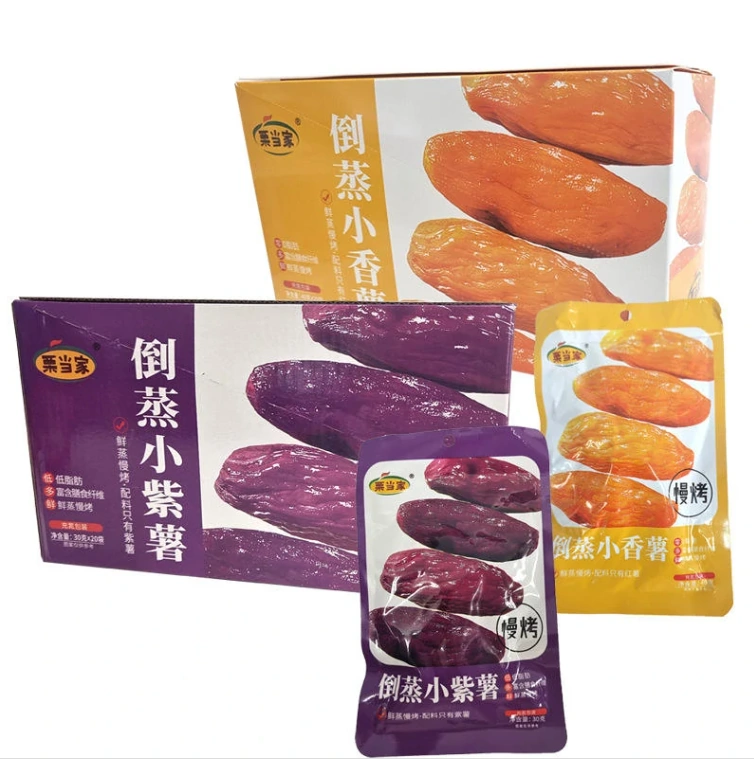
Sulfur dioxide (SO2) and its related sulfite compounds are perhaps the most common additives in the world of dried fruits. Why are they used? From a producer's perspective, they are remarkably effective. They prevent the enzymatic browning that darkens fruits like apricots and apples, preserving their vibrant, appealing color. They also inhibit the growth of molds and bacteria, extending shelf life considerably (Taylor et al., 2019). For a product that may spend months in transit and on shelves, this is a significant commercial advantage.
However, this efficacy comes with a caveat. A segment of the population, particularly those with asthma, exhibits sensitivity to sulfites. Reactions can range from mild discomfort to severe respiratory distress. Consequently, major food safety authorities like the U.S. Food and Drug Administration (FDA) and the European Food Safety Authority (EFSA) mandate that sulfites be declared on the label if present above a certain threshold (typically 10 parts per million).
Your task as an importer is twofold. First, you must decide what your market will tolerate. Health-conscious consumers in the US and UK often seek out "sulfite-free" options, even if they are darker in color. Second, you must verify the supplier's claims. If a supplier offers brilliantly orange dried apricots and claims they are "sulfite-free," a healthy skepticism is warranted. This is an area where requesting third-party lab analysis of your samples becomes a non-negotiable part of due diligence.
Another area of concern is the addition of sugar. While fruits are naturally sweet, some processing methods involve adding sucrose, corn syrup, or fruit juice concentrates. This can be done to enhance flavor, improve texture, or act as a preservative. "Candied" or "preserved" fruits, like those found in some Dried Fruit Series, are expected to contain added sugar. The issue arises when sugar is added to a product marketed simply as "dried fruit."
Consider dried cranberries. Fresh cranberries are intensely tart. To make them palatable in their dried form, they are almost universally infused with sugar or a juice concentrate before drying. The ingredient list will reveal this: "cranberries, sugar, sunflower oil." There is nothing inherently wrong with this food product, but it is fundamentally different from a simple dried mango whose only ingredient is "mango." Understanding this distinction is key to marketing the product honestly and meeting consumer expectations. When examining a potential food product, ask for the nutritional information panel. The "Added Sugars" line, now mandatory in many regions, is your most direct source of truth.
Less common in high-quality dried fruits but still a concern, artificial colors and flavors are sometimes used to mask poor-quality raw materials or to create a hyper-appealing, unnatural appearance. Bright, neon-colored dried pineapple or papaya rings are often suspect. A truly natural dried fruit's color should be a deeper, more muted version of its fresh counterpart. Any color that seems too vibrant or uniform should trigger questions. Ask the supplier directly: "Are any artificial colors or flavors used in this food product?" Get the answer in writing. A reputable supplier will be transparent about their processes.
Long before laboratory analysis existed, merchants assessed the quality of goods using the most sophisticated instruments available: their own senses. This ancient practice remains profoundly relevant. While a lab report can tell you about microbial counts, your eyes, hands, nose, and palate can tell you about the quality of the raw fruit, the care taken in processing, and the potential for a delightful eating experience. To properly evaluate a sample is to conduct a sensory dialogue with the food product.
Your examination begins with sight. Spread the samples out under good, natural light. What do you see?
Next, handle the fruit. The texture reveals volumes about the drying process and the final moisture content.
Bring the sample to your nose and inhale deeply. The aroma should be a concentrated version of the fresh fruit. A bag of dried mangoes should fill the air with a sweet, tropical scent. What you do not want to smell are "off" odors. A dusty or musty smell can indicate age or improper storage. A chemical or fermented aroma is a major red flag, potentially pointing to spoilage or the overuse of preservatives. The absence of smell can also be telling, suggesting the fruit was of poor quality to begin with, possessing little of its own character.
Finally, taste the product. The flavor should be concentrated and true to the fruit. A dried apple should taste intensely of apple, not just vaguely sweet. Note the balance between sweetness and acidity. High-quality fruits retain some of their natural tartness, which provides a more complex and satisfying flavor profile.
Chew slowly. Is the texture pleasant? Is it tough and fibrous, or tender? Are there gritty or mealy sensations? For a food product like a veggie chip, the defining characteristic is its crunch. A vacuum-fried okra chip should be light and shatteringly crisp, not hard or oily. The experience in the mouth is the ultimate test of whether the food product delivers on the promise made by its appearance and aroma.
The term "dried fruit" is a broad church, encompassing a variety of products created through different preservation techniques. The method used to remove water from the fruit is not a minor technical detail; it fundamentally determines the final food product's texture, nutritional profile, appearance, and cost. As an importer, you are not just buying a fruit; you are buying the result of a specific technological process. The two most prominent methods are traditional dehydration and freeze-drying (lyophilization).
This is the oldest and most common method of fruit preservation. In its simplest form, it involves exposing fruit to sun and wind. Commercially, it means placing fruit in large ovens or tunnels where heated air is circulated to slowly evaporate the water content.
Freeze-drying is a far more sophisticated and gentle process. It works by leveraging a fascinating physical principle called sublimation—the direct transition of a substance from a solid to a gas, bypassing the liquid phase.
| Feature | Traditional Dehydration | Freeze-Drying (Lyophilization) |
|---|---|---|
| Texture | Chewy, leathery, dense | Light, airy, crispy, porous |
| Flavor | Concentrated, sometimes cooked or caramelized | Intense, very close to the fresh fruit |
| Appearance | Shrunken, often darker in color | Retains original shape, size, and color well |
| Nutritional Retention | Good, but some loss of heat-sensitive vitamins (e.g., Vitamin C) | Excellent, considered the gold standard for preserving nutrients |
| Rehydration | Slow and partial | Rapid and nearly complete |
| Weight & Volume | Significant reduction in both | Drastic reduction in weight, but volume is maintained |
| Cost of Production | Relatively low energy and equipment costs | High energy consumption and expensive equipment; a premium process |
Neither method is inherently "better"; they simply produce different products for different applications. A chewy dried mango slice is a satisfying snack on its own. A crispy, freeze-dried raspberry powder is an ideal inclusion for high-end chocolate, yogurt, or smoothie mixes where its intense flavor and color can shine without adding moisture.
When sourcing a food product, your choice of processing method should be a conscious one, driven by your target market and intended use. Are your customers looking for a bulk ingredient for baking or a premium, ready-to-eat snack? Are they price-sensitive, or will they pay a premium for the superior nutritional and sensory qualities of a freeze-dried food product? Asking these questions will guide you toward the right supplier and the right process.
In the digital age, a slick website and a responsive sales representative can create a convincing illusion of a large, professional operation. However, the reality can sometimes be a small trading company with no factory of its own, or a workshop with insufficient capacity to handle your order. Verifying the legitimacy and true capabilities of a potential supplier is perhaps the most critical risk-mitigation activity you will undertake. It requires investigative work.
The initial contact is easy. The real work begins when you move past pleasantries and start asking for proof.
For a significant investment, nothing beats an on-the-ground assessment. While a personal visit to the factory in China is the gold standard, it is not always feasible. The next best thing is a third-party factory audit. Numerous international companies (like SGS, Intertek, or QIMA) offer services where a local auditor will visit the factory on your behalf. They will follow a standardized checklist to assess the facility's quality management systems, production capabilities, working conditions, and overall professionalism. The cost of an audit, typically a few hundred dollars, is a small price to pay for the peace of mind it provides. It is an independent verification that cuts through marketing claims and provides an objective snapshot of the supplier's reality.
Navigating this verification process can be daunting for newcomers. This is where comprehensive B2B platforms can provide significant value. A well-curated platform like EasyGoGlobal can act as an initial filter, connecting buyers with a roster of pre-vetted suppliers. These platforms often provide their own verification tiers and supplier profiles, which can supplement your own due diligence. They create a structured environment for communication and negotiation, helping to formalize the relationship and provide a degree of accountability that might be missing in a direct, unmediated contact. However, even when using such a platform, the principles of direct verification—asking for licenses, questioning capacity, and considering audits—remain your most powerful tools.
The product sample is a physical promise. It is the supplier's tangible claim that "this is the quality of the food product we can deliver." Your evaluation of this sample is your opportunity to accept or reject that promise. A haphazard approach to sampling can lead to disastrous consequences, such as receiving a bulk shipment that bears little resemblance to the beautiful sample you initially approved. A systematic approach is essential.
Do not simply ask for "a sample of your dried mango." Be specific. Your request should be a detailed reflection of your final product requirements.
Once the samples arrive, the evaluation process should be a formal, documented procedure. Do not just casually taste them. Recreate the rigorous sensory examination described in Point 3.
This disciplined process removes subjectivity and emotion from the decision. It transforms the evaluation from a simple taste test into a data-driven choice. It provides you with a documented record that can be invaluable if a quality dispute arises later.
You have identified a great supplier and approved a perfect sample. The most complex part is over, right? Not quite. Getting your food product from a factory in China to your warehouse in the United States, United Kingdom, or Spain involves a labyrinth of logistics, customs, and regulations. Mastering this final leg of the journey is what separates a successful import from a costly nightmare stuck at the port.
When you receive a price quote from your supplier, it will almost certainly be followed by a three-letter acronym like FOB, CIF, or EXW. These are Incoterms, a set of globally recognized rules that define the responsibilities of sellers and buyers for the delivery of goods. Understanding the most common ones is not optional.
For most importers, FOB is a good balance. It allows you to work with a freight forwarder of your choosing, giving you more control and often better rates on the international transit.
A good freight forwarder is your most important partner in this stage. They are the logistics architects who orchestrate the entire process. They do not own the ships or planes, but they book space on them, negotiate rates, and manage all the required documentation. A freight forwarder can handle:
Choosing a reliable freight forwarder with experience in handling food products from China to your specific country is a decision of immense importance.
Every country has its own set of rules for importing food. As of 2026, these systems are highly digital but remain complex.
The political and economic climate can impact tariffs. Trade agreements and disputes can cause rates to change. Before placing an order, it is your responsibility to verify the current tariff rate for your specific food product and country. A miscalculation here can erode your entire profit margin. A customs broker, often working with your freight forwarder, is the expert who can provide definitive guidance on these matters for your specific shipment. They are an indispensable part of your import team.
1. Are dried fruits from China generally safe to eat in 2026?
Yes, when sourced from reputable and certified suppliers, dried fruits from China are safe. The key is due diligence. By prioritizing suppliers with internationally recognized food safety certifications like BRCGS or FSSC 22000, verifying their claims, and testing product samples, importers can confidently source safe, high-quality products. The Chinese food industry has made significant strides in regulation and quality control, especially among export-oriented manufacturers.
2. What is the main difference between "dried fruit" and "preserved fruit"?
The primary difference lies in the preservation method and ingredients. "Dried fruit" typically refers to fruit preserved by removing most of its water content, either through heat dehydration or freeze-drying, with minimal additives. "Preserved fruit," often called candied fruit, is preserved using sugar. The process often involves simmering the fruit in a sugar syrup, which infuses the fruit and acts as the main preservative. Preserved fruits are much sweeter and have a higher calorie content than their simply dried counterparts.
3. How can I avoid being scammed by a fake supplier online?
Avoid suppliers who pressure you for large upfront payments via untraceable methods like Western Union. Verify their legitimacy by requesting their business license and using third-party audits. Start with a small trial order before committing to a large volume. Using a vetted B2B platform can also add a layer of security. A legitimate supplier will be patient, transparent, and willing to provide documentation to prove their credentials.
4. What does the "mesh" number mean for fruit powders?
The mesh number refers to the particle size or fineness of the powder. It is determined by passing the powder through screens with a specific number of openings per linear inch. A higher mesh number indicates a finer powder because the screen has more, smaller holes. For example, a 100-mesh powder is finer and more flour-like than a 40-mesh powder, which would feel more granular.
5. Is a more expensive dried fruit always better quality?
Not necessarily, but price is often an indicator of the processing method and raw material quality. Freeze-dried fruits, for example, are significantly more expensive to produce than sun-dried or heat-dehydrated fruits due to the energy-intensive process. Their superior retention of nutrients, color, and flavor justifies the higher cost for many applications. Similarly, a food product made from premium, unblemished raw fruit will cost more than one made from lower-grade fruit. Price should be considered in conjunction with all the other quality assessment points.
The journey of a dried plum from an orchard in Xinjiang to a kitchen in Seville or a bakery in Boston is a small marvel of modern globalization. To participate in this journey as a responsible importer is to be more than a merchant. It is to be a curator, a guardian of quality, and a student of science and culture. The seven points outlined here are not a destination but a compass. They provide a direction for your inquiry, a framework for your judgment. The path to sourcing an exceptional food product is paved with diligent questions, careful observation, and a persistent desire to look beyond the surface. By embracing this scholarly approach, you elevate a simple commercial act into a pursuit of excellence, ensuring that the trust placed in you by your own customers is, in every sense, well-founded.