
The global pet product market in 2026 reflects a profound shift in the human-animal relationship, characterized by the deep integration of pets into the family structure. This evolution drives significant consumer demand for products that mirror human quality standards, focusing on health, wellness, and ethical considerations. This analysis examines the key trends shaping the industry, offering a comprehensive guide for businesses in the United States, Europe, and the United Kingdom seeking to source and market pet goods. It investigates the ascendancy of premium food formats like freeze-dried and air-dried options, the non-negotiable demand for sustainable and ethically sourced materials, and the growing consumer appetite for functional ingredients that target specific health outcomes. Furthermore, the document explores the complex realities of modern supply chains, emphasizing the need for resilience and diversification. It provides a structured overview of the international regulatory landscape, a critical component for successful import and export ventures. The objective is to equip businesses with the nuanced understanding required to navigate this dynamic market, make informed sourcing decisions, and build a profitable and reputable pet product line.
The contemporary relationship between humans and their companion animals has undergone a fundamental transformation. We have moved far beyond a paradigm of simple ownership or utility; we now exist in a state of deep emotional and familial connection. Pets are no longer just animals that live in our homes; they are perceived and treated as integral members of the family unit. This philosophical shift, often termed "pet humanization," is not merely a sentimental trend but the single most powerful economic force shaping the global pet product industry. Understanding the depth of this change is the first step for any business aiming to succeed in this market.
When a pet is viewed as a child, a sibling, or a cherished companion, the purchasing decisions of its caregiver change dramatically. The calculus is no longer based on simple subsistence. Instead, it mirrors the choices a parent would make for a human child. Questions of health, wellness, quality of life, and emotional fulfillment become paramount. A dog is not just being fed; it is being "nourished." A cat is not just being housed; its environment is being "enriched." This emotional framework elevates the perceived value of every item associated with the pet, from its daily meals to its toys and bedding. For your business, this means that the market is not just willing, but eager, to invest in premium, high-quality goods that promise to enhance the well-being of their animal companions.
To truly grasp this opportunity, one must adopt an empathetic perspective, placing oneself in the shoes of the modern pet owner. Consider the emotional transaction that occurs with every purchase. A bag of high-quality pet dry food is not just a commodity; it is an expression of love and responsibility. A durable, engaging toy is not an indulgence; it is an investment in the animal's mental health and happiness.
This psychological landscape creates a fertile ground for brands that can communicate trust, quality, and care. The consumer is actively looking for partners in their pet-parenting journey. They seek brands that share their values and demonstrate a genuine understanding of the human-animal bond. Your marketing, product design, and brand story must all speak to this deeper emotional need. It is no longer sufficient to state that a product is "good." You must demonstrate how it contributes to a longer, healthier, and happier life for a beloved family member. This is the new baseline for entry into the premium pet product space.
This humanization trend has fragmented the market and created numerous niches for specialized products. Where once a single type of kibble might have sufficed, there is now demand for breed-specific formulas, life-stage-specific diets (puppy, adult, senior), and solutions for health issues like sensitive stomachs or joint problems. Pet daily essentials are no longer purely functional; they must also align with the owner's aesthetic and lifestyle choices. A dog bed must be orthopedic and match the living room decor. A cat tree must be stimulating and architecturally pleasing.
This expansion creates immense opportunities. By identifying a specific need or desire within the pet parent community, you can develop a targeted pet product line that resonates deeply. The key is to move away from a mass-market mindset and embrace a more boutique, consultative approach. Your business is not just selling goods; it is providing solutions that affirm the owner's identity as a caring and responsible guardian.
With the elevation of pets to family members, nutritional science has become a central concern for consumers. The market has expanded far beyond traditional dry kibble, offering a spectrum of choices, each with distinct nutritional profiles, processing methods, and price points. For a business entering this space, a nuanced understanding of these formats is not just beneficial; it is a prerequisite for making strategic sourcing decisions. The choice between pet wet food, dry food, and newer formats like freeze-dried snacks directly impacts your target audience, brand positioning, and supply chain logistics. Let's examine the foundational options before exploring more advanced processing methods.
| Feature | Dry Pet Food (Kibble) | Wet Pet Food (Canned/Pouch) |
|---|---|---|
| Moisture Content | Low (Typically 6-10%) | High (Typically 75-85%) |
| Processing Method | Extrusion (cooked at high heat and pressure) | Retorting (cooked in the can/pouch to sterilize) |
| Caloric Density | High | Low |
| Primary Benefits | Cost-effective, long shelf life, dental benefits (abrasive action) | High palatability, promotes hydration, often higher meat content |
| Primary Drawbacks | Lower palatability, lower meat inclusion in some formulas, potential for high carbohydrate content | Shorter shelf life after opening, higher cost per calorie, potential for dental issues without other care |
| Ideal Consumer | Budget-conscious owners, owners of multiple pets, those prioritizing convenience and dental health | Owners of picky eaters, pets with low thirst drives (especially cats), senior pets or those with dental issues |
Dry food, or kibble, remains the cornerstone of the pet food market due to its convenience, cost-effectiveness, and long shelf life. The manufacturing process, known as extrusion, involves cooking ingredients at high temperatures and pressures. While this process efficiently creates a shelf-stable and calorically dense product, it can also diminish the potency of certain heat-sensitive nutrients and often requires a higher percentage of starches and carbohydrates to bind the kibble together.
However, the world of pet dry food is not monolithic. Premium brands have made significant strides in improving kibble quality. Innovations include vacuum-infusion of fats and heat-sensitive vitamins after the extrusion process, the use of novel protein sources, and the development of grain-free or low-carbohydrate formulas that use alternative binders like lentils and peas. When sourcing, it is vital to scrutinize the ingredient list. Look for formulas where a named meat source (e.g., "deboned chicken," not "meat and bone meal") is the first ingredient. Finding reliable cat dry food suppliers who can provide this level of quality and transparency is key to competing in the premium segment.
Pet wet food offers a completely different value proposition, centered on palatability and hydration. The high moisture content is particularly beneficial for cats, who have a naturally low thirst drive and are prone to urinary tract issues. The retort cooking process, while still involving heat, often allows for a higher inclusion of fresh meat, resulting in a product that many pets find more appealing. The texture and aroma more closely mimic a natural diet, making it an excellent choice for picky eaters, senior pets who may have a diminished sense of smell, or animals recovering from illness.
From a business perspective, wet food occupies a more premium space than conventional kibble. The packaging (cans or pouches) and heavier shipping weight contribute to a higher cost per calorie. However, consumers are often willing to pay this premium for the perceived health benefits and the satisfaction of providing a meal their pet genuinely enjoys. Offering a line of wet foods, particularly those with gourmet-style recipes like pâtés, stews, or shredded meats in gravy, can effectively target the discerning pet owner.
Beyond the traditional dichotomy of wet and dry food lies the most exciting and rapidly growing segment of the pet nutrition market: foods created through advanced processing methods. Freeze-drying and air-drying represent a paradigm shift, moving away from high-heat cooking toward techniques that preserve the nutritional integrity of raw ingredients. These methods are the direct result of the pet humanization trend, mirroring the "clean eating" and minimally processed food movements in human nutrition.
The core principle behind these methods is the removal of water to create a shelf-stable product without the need for high-temperature cooking or artificial preservatives. This gentle dehydration process helps to retain the natural vitamins, minerals, enzymes, and amino acids found in the raw ingredients. The resulting product offers the nutritional benefits of a raw diet with the convenience and safety of a dry food.
| Feature | Freeze-Dried Pet Snacks/Food | Air-Dried Pet Snacks/Food |
|---|---|---|
| Processing Method | Sublimation: Ingredients are frozen, then placed in a vacuum where the ice turns directly into vapor. | Evaporation: Ingredients are gently heated at low temperatures over a long period, allowing water to evaporate slowly. |
| Nutrient Retention | Extremely High. Considered the gold standard for preserving raw nutrients. | Very High. Slightly more nutrient degradation than freeze-drying due to the presence of low heat. |
| Texture | Light, porous, and brittle. Rehydrates quickly and fully. | Denser and chewier, similar to jerky. |
| Cost | Highest. The process is energy-intensive and time-consuming. | High, but generally less expensive than freeze-drying. |
| Best Use Case | High-value training treats, meal toppers to boost nutrition, complete raw-alternative diets. | Complete meals, training treats where a chewier texture is desired. |
Freeze-drying is a remarkable process. It involves first flash-freezing the raw ingredients and then placing them in a strong vacuum. This causes the frozen water in the ingredients to turn directly into vapor, a process called sublimation, completely bypassing the liquid phase. The absence of heat is the crucial factor. Because the ingredients are never cooked, their cellular structure remains largely intact, preserving the delicate nutrients that would be destroyed by extrusion or retorting.
The result is a product like Freeze-dried Pet Snacks that is incredibly lightweight and shelf-stable, yet nutritionally almost identical to its raw form. When rehydrated with water, it regains much of its original texture, aroma, and flavor. For pet owners, this offers the "best of both worlds": the peace of mind and nutritional power of a raw diet without the mess, storage challenges, and pathogen risks. Freeze-dried products are most popular as high-value treats and as "meal toppers" or "mixers" that allow consumers to add a boost of raw nutrition to their pet's existing kibble. Sourcing from state-of-the-art facilities that specialize in this technology, such as those in the northern industrial belt, ensures a premium and safe final product (North Freeze Dry, n.d.).
Air-drying is another excellent method for preserving nutrients. It involves slowly and gently circulating heated air around the raw ingredients for an extended period. While it does involve low heat, the temperatures are kept well below those used in traditional cooking, minimizing nutrient degradation. This process removes water through evaporation, resulting in a denser, chewier product that is often compared to jerky.
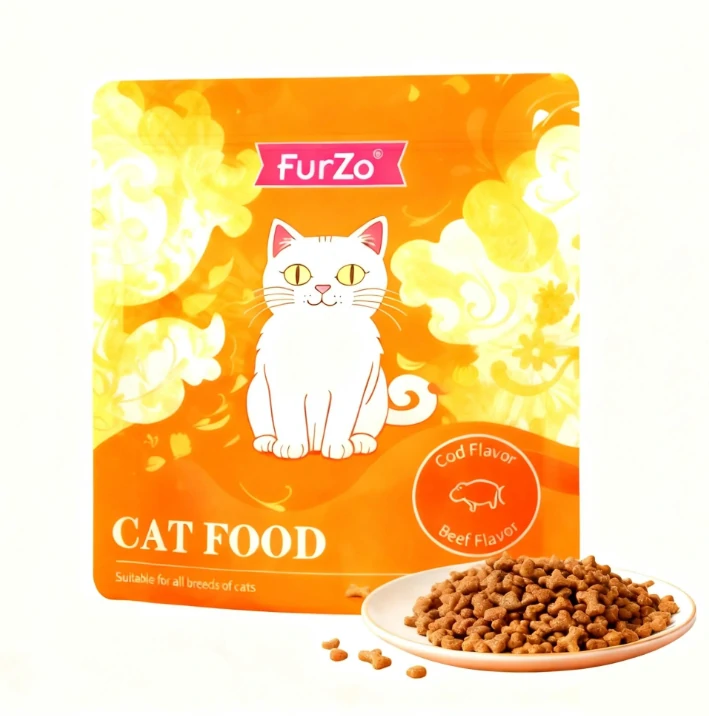
Air-dried pet snacks and foods offer a fantastic balance of nutritional quality and cost. The process is less energy-intensive than freeze-drying, making the final product more accessible from a price perspective. This makes it a viable option not just for treats but for complete and balanced meals. For businesses, offering an air-dried line can capture a segment of the market that desires a step up from kibble but may find a fully freeze-dried diet to be cost-prohibitive. It is a powerful differentiator that signals a commitment to superior nutrition.
In 2026, a brand's values are as important as its products. The modern consumer, particularly the millennial and Gen Z demographic that now constitutes the largest segment of pet owners, is deeply invested in issues of sustainability, ethical treatment of animals, and corporate responsibility. They actively seek to support companies whose practices align with their own moral compass. For a pet product business, this means that a transparent and ethical supply chain is no longer a "nice-to-have" feature; it is a core component of your brand identity and a powerful driver of consumer loyalty.
This scrutiny applies to every facet of your operation. Where do you source your ingredients? Are the animal proteins from humanely raised livestock? Are your fish sources certified sustainable? What is the carbon footprint of your manufacturing and distribution? What materials do you use for your packaging? Consumers are asking these questions, and the brands that can provide clear, honest, and positive answers will win their trust and their business.
The concept of "farm-to-table" has firmly entered the pet food aisle. Consumers want to know the story behind their pet's food. Vague terms like "meat by-products" are viewed with suspicion. Instead, they demand specificity: "grass-fed New Zealand lamb," "free-range chicken," or "wild-caught Alaskan salmon."
To meet this demand, your business must prioritize traceability. This means working with suppliers who can provide documentation and certification for their ingredients. Building relationships with farms and producers who practice humane and sustainable agriculture can become a cornerstone of your brand narrative. This is not just about marketing; it is about building a product with integrity from the ground up. When you can confidently state that the protein in your pet food comes from animals that were treated with respect, you create a powerful emotional connection with your customers.
The environmental impact of packaging is a major concern for today's consumers. The pet product industry, with its reliance on large bags and single-use pouches, has historically been a significant contributor to landfill waste. Leading brands are now innovating to address this problem head-on.
Consider a shift toward more sustainable packaging solutions. This could include:
Recyclable Materials: Using mono-material bags (e.g., all #2 or #4 plastic) that are more easily processed by recycling facilities.
Post-Consumer Recycled (PCR) Content: Incorporating recycled materials into your packaging to reduce reliance on virgin plastics.
Bulk Bins and Refill Programs: For brick-and-mortar retailers, offering package-free options can be a huge draw for eco-conscious customers.
Compostable Materials: For certain products like waste bags or some forms of packaging, exploring certified compostable bioplastics.
Beyond packaging, the sustainability of your overall operation matters. This includes using renewable energy in manufacturing facilities, optimizing shipping logistics to reduce fuel consumption, and implementing water conservation programs. Highlighting these efforts demonstrates a holistic commitment to environmental stewardship that resonates deeply with the values of the modern pet parent.
As pet owners become more educated about animal health, their expectations for pet food have evolved. They are no longer satisfied with products that simply meet the basic requirements for survival. Instead, they are looking for "functional foods"—diets and treats formulated with specific ingredients that provide targeted health benefits beyond basic nutrition. This trend parallels the human wellness movement, where consumers use food as a tool to manage health, prevent disease, and optimize performance.
This creates a significant opportunity for brands to differentiate themselves by offering specialized formulas that address common pet health concerns. By incorporating scientifically-backed functional ingredients, you can position your products as proactive health solutions, transforming your brand from a simple food provider into a trusted wellness partner. Exploring a diverse range of pet products that includes these functional options is crucial for capturing this sophisticated market segment.
Many of the most common veterinary visits for dogs and cats relate to a few key areas: skin and coat issues, digestive upset, and mobility problems, especially in aging pets. Functional foods directly target these concerns.
Concurrent with the rise of functional ingredients is the "clean label" movement. Consumers are wary of long, chemical-sounding ingredient lists. They prefer simple, recognizable, and whole-food ingredients. This has led to the exploration of novel and ancient ingredients prized for their natural health benefits.
Think about incorporating ingredients like:
The key is that these additions must be purposeful and backed by at least some scientific evidence. Simply "ingredient-stuffing" without a clear rationale will be seen as a marketing gimmick. Brands that can clearly articulate why a specific ingredient is included and what benefit it provides will build the most credibility.
The global events of the early 2020s served as a stark lesson for businesses worldwide: a lean, single-source supply chain is a fragile one. Disruptions in shipping, manufacturing shutdowns, and geopolitical tensions can bring a business to a grinding halt if it is overly reliant on a single supplier or geographic region. For a company in the pet product sector, where consistency and availability are paramount to maintaining customer trust, building a resilient and diversified supply chain is not just a good strategy—it is a matter of survival.
Resilience means designing your sourcing and logistics network to withstand shocks. It involves moving away from putting all your eggs in one basket and instead creating a web of options that provides flexibility and security. This requires a proactive and strategic approach to sourcing, looking beyond just the lowest unit cost to consider factors like geopolitical stability, shipping lane reliability, and supplier redundancy.
For decades, China has been the undisputed manufacturing powerhouse of the world. While it remains an incredibly important and often cost-effective sourcing hub, many companies are now adopting a "China Plus One" strategy. This doesn't mean abandoning China, but rather supplementing it with a secondary manufacturing base in another country to mitigate risk.
Think about exploring manufacturing partners in emerging industrial belts in Southeast Asia (like Vietnam or Thailand), Eastern Europe, or even nearshoring options in Mexico for the U.S. market. Each region presents its own unique combination of costs, capabilities, and logistical advantages. The goal is to create a balanced portfolio of suppliers. If a port shutdown affects your primary supplier in one region, you can ramp up production with your secondary partner in another, ensuring a continuous flow of your pet product line to your customers. A one-stop sourcing solution can be invaluable in identifying and vetting potential partners across these diverse regions.
Diversification is not just about geography; it's also about redundancy at the supplier and ingredient level. Even within a single country, relying on only one factory for a critical product is a significant risk. What if that factory has a fire, a labor strike, or a quality control failure? Smart sourcing involves qualifying at least two suppliers for your most important products. While one may be your primary partner (receiving, say, 70% of your orders), the other is kept "warm" with regular, smaller orders (30%). This ensures they are familiar with your specifications and can quickly scale up production in an emergency.
This principle also applies to your ingredients. Is your formula for pet wet food entirely dependent on a single, exotic protein source that is only available from one region? A supply disruption could force you to halt production entirely. It may be prudent to develop alternative formulas using more widely available proteins that have been tested and approved for your product line. This gives you the flexibility to pivot your production based on ingredient availability and cost, without compromising the quality or safety of your product. This level of strategic planning is what separates enduring brands from those that falter at the first sign of global disruption.
Sourcing pet products from the northern industrial belt or other global manufacturing hubs for sale in the United States, Europe, and the United Kingdom involves more than just finding a good supplier and agreeing on a price. It requires navigating a complex and often bewildering labyrinth of international trade regulations, food safety standards, and labeling requirements. Each jurisdiction has its own set of rules, and a failure to comply can result in seized shipments, hefty fines, and irreparable damage to your brand's reputation. A thorough understanding of this regulatory landscape is an absolute necessity for any import/export business.
The core purpose of these regulations is to ensure the safety and well-being of both pets and the public. They govern everything from the specific ingredients that are permissible to the pathogen testing required for raw materials and the claims you are legally allowed to make on your packaging. While the details can be daunting, the principles are generally aligned: safety, transparency, and truth in advertising.
Your compliance journey begins with understanding the primary regulatory agencies in your target markets.
Successfully importing a container of pet food is a document-intensive process. You cannot simply place an order and wait for it to arrive. Your manufacturing partner must be able to provide a suite of certifications and documents required by the importing country.
For example, to export pet food to a market like China, a notoriously complex but lucrative market, the manufacturing facility must be registered with the General Administration of Customs of China (GACC). The products themselves must comply with Chinese national standards, and each shipment must be accompanied by an official health certificate issued by the competent authority in the exporting country (EU SME Centre, 2023).
Similarly, importing into the EU or UK from a third country requires that the product comes from an approved establishment and is accompanied by a specific health certificate signed by an official veterinarian in the country of origin. This certificate attests that the product meets the destination country's safety and processing standards. Your role as the importer is to ensure your supplier has these approvals in place and can provide the correct documentation for every single shipment. Resources from government bodies, like the UK's guidance on exporting food and drink, are invaluable for understanding these specific requirements (nibusinessinfo.co.uk, n.d.). Working with an experienced customs broker or a comprehensive B2B platform that offers logistical support can be instrumental in managing this complex paperwork.
The overarching trend is pet humanization. This is the philosophical shift where pets are treated as family members. It influences every other trend, from the demand for premium, human-grade ingredients and advanced food processing like freeze-drying to the insistence on ethical sourcing and sustainable packaging. Focusing on quality, health, and wellness will align your brand with the core values of the modern pet owner.
Freeze-dried food is not a fad; it represents a significant and lasting evolution in pet nutrition. It directly addresses consumer demand for minimally processed foods that retain the nutritional value of raw ingredients. While its higher cost means it may not replace kibble entirely, its use as a high-value treat, a nutritional "topper" for other foods, and a complete diet for discerning owners is a rapidly growing and sustainable market segment.
Verification requires a multi-pronged approach. First, request third-party certifications (e.g., MSC for sustainable seafood, organic certifications, or humane handling certifications). Second, ask for supply chain traceability documents that show the origin of the raw materials. Third, if possible, conduct or commission a factory audit. Finally, start with smaller trial orders to test the product's quality and consistency before committing to large volumes.
The first step is to ensure that the country of origin and the specific manufacturing facility you plan to use are on the approved list for exporting pet food to the EU or UK. Without this fundamental approval, your products will not be allowed to enter the market. You must then ensure you have an EORI number and understand the pre-notification requirements for the specific type of pet product you are importing.
This depends on your target market and brand positioning. Pet dry food (kibble) has a larger total market and lower logistical costs, making it a potentially safer entry point. However, the market is also more crowded. Pet wet food occupies a more premium space and appeals strongly to owners of picky pets, especially cats. It can be a good way to establish a brand as "gourmet" or "high-quality," though it comes with higher unit costs and shipping weights.
AAFCO (Association of American Feed Control Officials) and FEDIAF (European Pet Food Industry Federation) are two of the most important non-governmental bodies in the pet food industry. AAFCO sets nutritional standards and labeling guidelines widely adopted by state regulators in the U.S. FEDIAF provides a similar function in Europe, creating a code of practice for the manufacture of safe pet foods. Adhering to their nutritional guidelines is essential for your product to be marketed as "complete and balanced" in these respective regions.
The choice depends on your desired price point and target application. Freeze-dried products are the pinnacle of nutritional preservation and are best positioned as ultra-premium meal toppers or treats due to their high cost. Air-dried products offer a very similar nutritional benefit but at a more accessible price point, making them suitable for complete meals that are a significant step up from traditional kibble.
The journey into the 2026 pet product market is one of immense opportunity, but it demands a deep and empathetic understanding of the forces at play. The landscape is no longer defined by simple commodities but by a complex interplay of emotion, nutritional science, ethical considerations, and global logistics. The successful business will not be the one that simply sells a product, but the one that becomes a trusted partner in the pet owner's mission to provide the best possible life for a cherished family member.
Success hinges on embracing the humanization trend as the central tenet of your strategy. This means prioritizing transparently sourced, high-quality ingredients and exploring advanced nutritional formats like freeze-dried and air-dried foods that speak to a desire for less processed, more natural options. It requires a commitment to sustainability that is woven into the fabric of your operations, from ethical protein sourcing to eco-conscious packaging. Building a resilient and diversified supply chain is not a defensive posture but a proactive strategy to ensure stability and trust in an unpredictable world. Finally, a meticulous approach to the complex web of international regulations is the final, non-negotiable step to bringing your vision to the global market. By integrating these principles, your business can craft a pet product line that is not only profitable but also genuinely contributes to the well-being of pets and resonates with the hearts of their devoted owners.