
Choosing a musical instrument is a deeply personal process that extends beyond simple preference to involve considerations of lifestyle, musical ambition, and personal connection to sound. This guide examines the intricate decision-making journey by breaking it down into three core stages: introspective goal-setting, exploration of instrument families, and the practical steps of acquisition. It provides a comparative analysis of string, wind, and percussion instruments, evaluating their unique characteristics, learning curves, and cultural contexts. The discussion emphasizes that the ideal choice is not a universal constant but a subjective match between the player and the instrument, shaped by factors such as budget, available practice space, and desired social engagement. By approaching the selection as a structured inquiry rather than an impulsive choice, aspiring musicians can foster a more sustainable and fulfilling relationship with their chosen musical instrument. This framework is designed to empower both novices and experienced players to make an informed decision that aligns with their long-term artistic development.
The desire to create music is a profound human impulse, one that connects us to history, culture, and our own emotional landscapes. Yet, the path to musical expression begins with a single, often daunting, question: which musical instrument should I play? This question is not merely about a physical object; it is about choosing a voice, a partner in a creative dialogue that may last a lifetime. To answer it with wisdom requires a period of introspection, a thoughtful examination of our own lives, ambitions, and the very nature of our attraction to sound. Before you can find the right instrument, you must first understand the musician you hope to become.
What kind of music moves you? Imagine yourself playing. Are you on a stage, bathed in light, driving the rhythm of a rock band? Are you in a quiet room, weaving intricate classical melodies? Or perhaps you are sitting in a circle with friends, sharing the communal joy of folk tunes. The genre of music you love is a powerful compass. An aspiring jazz saxophonist and a future classical violinist will walk very different paths, requiring different skills and, of course, a different musical instrument.
Consider the role you wish to play within an ensemble. Are you drawn to the foundational, grounding presence of a bass guitar or a bass drum? Do you see yourself carrying the melody, like a lead singer or a first-chair violinist? Or are you fascinated by the harmonic textures that a piano or guitar can provide, filling the space between rhythm and melody? Some instruments, like the piano or acoustic guitar, are wonderfully self-sufficient, allowing for rich solo performance. Others, like the tuba or the triangle, find their truest expression within the collaborative context of an orchestra or band (Bowles & Marcuse, 2025). Your social inclination—whether you seek solitude or community in your musical life—is a key factor in this decision.
A musical instrument is not just an artistic tool; it is a physical object that must coexist with the practical realities of your life. Your choice must be reconciled with your budget, your time, and your living situation. A grand piano is a magnificent instrument, but it is an impractical choice for someone living in a small, third-floor apartment with thin walls. Similarly, a full acoustic drum set can produce a volume that is thrilling for the player but potentially problematic for family and neighbors.
Honesty about your financial situation is paramount. The cost of a musical instrument can range from less than a hundred dollars for a quality ukulele to tens of thousands for a professional-grade cello. Beyond the initial purchase, there are ongoing costs to consider: maintenance, accessories like reeds and strings, and, most importantly, lessons. Fortunately, the market offers a wide spectrum of options. Many reputable suppliers offer excellent entry-level models that are both affordable and playable, allowing a beginner to start their journey without a prohibitive financial burden. Renting is also a superb option, providing a low-commitment way to "test drive" an instrument for several months.
Your time is another valuable resource. How many hours per week can you realistically dedicate to practice? Some instruments have a steeper initial learning curve than others. While a beginner might produce a pleasing tone on a xylophone relatively quickly, producing a clear, steady note on a violin or a French horn can take weeks or months of dedicated effort. This is not a measure of an instrument's worth, but a practical consideration for managing your own expectations and maintaining motivation.
Beyond logic and practicality lies the most personal element of your choice: your emotional and aesthetic connection to a particular sound. The timbre—the unique tonal color—of a musical instrument is what gives it its character. Are you captivated by the warm, woody resonance of a cello? The bright, piercing cry of a trumpet? The earthy, complex voice of a djembe?
Pay attention to the music you listen to. Which instrument’s voice do you follow? Which sound gives you goosebumps? This visceral attraction is not a trivial matter; it is the spark that will fuel your desire to practice on days when progress feels slow. The human voice is often considered the first instrument, and every other musical instrument is, in a way, an extension or an abstraction of it (Cohen, n.d.). Finding an instrument that feels like an extension of your own voice is a powerful step toward a fulfilling musical practice. Consider this a form of musical empathy—feeling a connection to the instrument's potential for expression before you even learn to play it. This connection is the heart of your decision, the emotional core around to which all practical considerations should orbit.
Once you have a clearer picture of your internal landscape—your goals, limitations, and sonic preferences—it is time to turn your attention outward to the vast and varied world of musical instruments. While the sheer number of options can seem infinite, most instruments can be categorized into a few large families, primarily defined by the way they produce sound. The three largest and most common families are strings, winds, and percussion. Understanding the fundamental characteristics of each family is the next logical step in narrowing your search and finding your place in the sonic world.
Each family offers a distinct pathway into music, with its own unique physical demands, expressive qualities, and typical roles within an ensemble. Exploring them is like learning about different cultures; each has its own language, history, and aesthetic values.
| Instrument Family | Sound Production Method | Common Roles in Music | Typical Learning Curve | Key Considerations |
|---|---|---|---|---|
| String Instruments | Vibration of strings (plucked, bowed, or struck) | Melody, Harmony, Rhythm | Moderate to Steep | Requires fine motor skills, ear training for intonation (fretless), regular tuning. |
| Wind Instruments | Vibration of air column (blowing across/into mouthpiece) | Melody, Harmony | Moderate to Steep | Requires breath control (diaphragmatic support), embouchure development. |
| Percussion Instruments | Striking, shaking, or scraping the instrument | Rhythm, Texture, Melody (pitched percussion) | Varies (Gentle to Steep) | Requires coordination and timing, can be physically demanding, potential noise issues. |
A string instrument creates sound through the vibration of a string, or multiple strings, stretched between two points. The method of causing this vibration—bowing, plucking, or striking—defines the instrument's character and technique. This family is incredibly diverse, containing the heart of the classical orchestra as well as staples of folk, rock, and pop music.
The violin, viola, cello, and double bass form the core of the orchestral string section. They are played primarily with a bow, a stick strung with horsehair that is drawn across the strings to create a sustained, singing tone capable of immense expressive nuance. The pitch is changed by pressing the fingers of the other hand onto a fretless fingerboard. This fretless nature is both a challenge and a gift. It demands that the player develop a highly sensitive ear to play in tune (a skill called intonation), making the initial learning curve quite steep. However, it also allows for subtle, voice-like slides and vibrato that give these instruments their profound emotional depth. If you are drawn to soaring classical melodies and have the patience for a demanding but deeply rewarding journey, a bowed string instrument might be your calling.
Instruments like the guitar, mandolin, ukulele, banjo, and harp dominate this category. Sound is produced by plucking or strumming the strings with fingers or a pick. Most of these instruments (with the notable exception of the harp) have frets—metal strips on the neck that pre-determine the notes. This makes playing in tune much easier for a beginner than on a fretless instrument. The guitar, in its acoustic and electric forms, is arguably the most popular musical instrument in modern Western music, valued for its versatility. It can play melodies, provide rhythmic and harmonic accompaniment, and function as a powerful solo instrument. Its portability and suitability for songwriting make it a common choice for aspiring musicians. If your goals include writing songs, playing in a band, or accompanying your own singing, the guitar or ukulele could be an excellent starting point. Exploring a wide selection of musical instruments online can give you a sense of the variety available.
Wind instruments bring sound to life through the vibration of a column of air. The player's breath is the engine, channeled through a specific type of mouthpiece or opening that sets the air in motion. This direct connection to the breath makes playing a wind instrument an intimate, physical experience. They are often melodic powerhouses in orchestras, concert bands, and jazz ensembles. They are broadly divided into two main subfamilies: woodwinds and brass.
The name "woodwind" is a bit of a historical holdover, as many of these instruments are now made of metal or plastic. The defining characteristic is how the sound is initiated. This includes instruments like the flute (where air is blown across an edge), the clarinet and saxophone (where a single reed vibrates against a mouthpiece), and the oboe and bassoon (where two reeds vibrate against each other). Each method produces a distinct timbre, from the airy purity of the flute to the reedy warmth of the clarinet and the soulful cry of the saxophone. Woodwinds are known for their agility and are capable of playing fast, intricate passages. They require the development of a strong, controlled airstream and a precise "embouchure"—the way the player shapes their mouth around the mouthpiece.
The brass family—including the trumpet, French horn, trombone, and tuba—produces sound when the player buzzes their lips into a cup-shaped mouthpiece. The instrument acts as an amplifier and resonator for this buzz. The pitch is changed by a combination of altering the tightness of the lip buzz and manipulating valves or a slide to change the length of the air column. Brass instruments are known for their power, brilliance, and majestic presence. They can sound a heroic fanfare, a mellow, somber melody, or a "hot" jazz solo. Learning a brass instrument involves building up the facial muscles for the embouchure and developing significant breath support from the diaphragm. If you love bold, powerful sounds and want to be a part of a dynamic ensemble like a marching band or a big band, a brass instrument could be a thrilling choice.
Percussion is likely the oldest family of musical instruments, born from the primal impulse to strike, shake, or scrape objects to create rhythm (Pro Music Vault, 2021). The percussion family is the most diverse of all, encompassing anything that is hit to produce a sound. Percussion instruments are the foundation of the rhythm section in almost every genre of music, providing the pulse, energy, and dynamic framework. They are classified into two main categories: pitched and unpitched.
| Popular Instrument | Primary Family | Sound Profile | Common Genres | Beginner Friendliness |
|---|---|---|---|---|
| Acoustic Guitar | String (Plucked) | Warm, resonant, versatile | Folk, Pop, Rock, Country | High |
| Violin | String (Bowed) | Bright, singing, expressive | Classical, Folk, Jazz | Low (steep curve) |
| Flute | Wind (Woodwind) | Airy, clear, agile | Classical, Jazz, World | Moderate |
| Trumpet | Wind (Brass) | Bright, powerful, brilliant | Jazz, Classical, Pop | Moderate |
| Drum Set | Percussion (Membranophone) | Rhythmic, dynamic, complex | Rock, Jazz, Pop, Funk | Moderate |
| Piano/Keyboard | Percussion (Struck String) | Broad range, harmonic, melodic | Nearly all genres | High |
| Djembe | Percussion (Membranophone) | Earthy, resonant, deep bass | World, Folk, Drum Circles | High |
These are the instruments we most commonly associate with rhythm-keeping. They produce sounds of indefinite pitch, meaning we perceive them as "higher" or "lower" but not as specific musical notes on a scale. The quintessential example is the drum set, a cornerstone of rock, jazz, and pop music. A standard drum set combines membranophones (instruments with a stretched skin, like the snare, bass, and tom-toms) and idiophones (instruments where the body itself vibrates, like cymbals) (Instrument Street, n.d.). Other important unpitched percussion instruments include the tambourine, maracas, congas, bongos, and the cajón. Learning to play a drum set requires developing independence between all four limbs, a challenging but rewarding exercise in coordination. For those who feel the rhythm in their bones and love to be the driving force of the music, a drum set or another rhythmic percussion instrument is an obvious and exciting choice.
Pitched percussion instruments, sometimes called mallet percussion, are set up like a piano keyboard and produce definite, tunable notes. This category includes the xylophone, marimba, glockenspiel, and vibraphone. They often play melodic and harmonic roles, bridging the gap between the rhythm section and the melodic instruments. The timpani, or kettledrums, are another crucial member of the pitched percussion family, providing a deep, resonant, and tunable bass voice in the orchestra (Waxman, 2023). Playing pitched percussion requires the precision of a drummer combined with the melodic and harmonic understanding of a pianist. They offer a unique avenue for musicians who are drawn to both rhythm and melody.
Having explored your inner motivations and the outer world of instrument families, you arrive at the final, most tangible stage of your decision: the practical process of acquiring the instrument and beginning your journey. This phase is about translating your choice into reality. It involves navigating budgets, sourcing a quality instrument, and finding the support system you will need to grow as a musician. This is where your dream begins to take physical form, and a thoughtful approach can set you up for years of success and enjoyment.
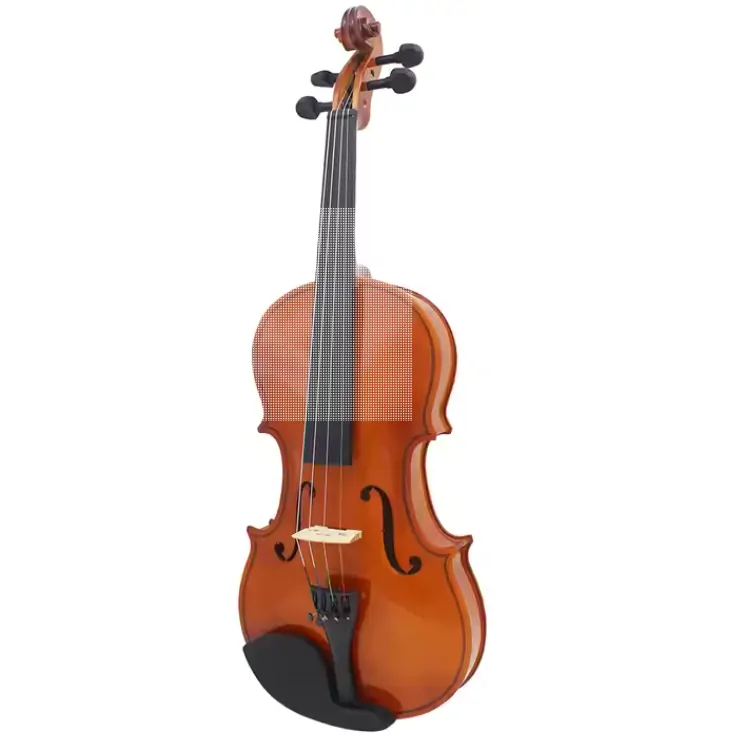
The financial aspect of acquiring a musical instrument is often a primary concern. It is a common misconception that one needs to spend a great deal of money to get a playable instrument. While it is true that professional instruments represent a significant investment, the market for beginner and intermediate instruments is vast and competitive, which is good news for the aspiring player.
For your very first musical instrument, renting is often the most sensible path. Many local music stores and online retailers offer rental programs, particularly for common student instruments like violins, flutes, clarinets, and trumpets. Renting allows you to begin learning on a quality, well-maintained instrument for a low monthly fee. This approach has several advantages. It minimizes the upfront financial risk, which is especially valuable if you are not yet 100% certain about your choice. It also gives you and your teacher a chance to assess your commitment and progress before making a purchase. Many rental programs even allow a portion of your rental fees to be applied toward the purchase of an instrument later on.
When you are ready to buy, the goal is to find the best quality instrument within your budget. Avoid the absolute cheapest options, as these "instrument-shaped objects" are often poorly made, difficult to play, and produce a frustratingly bad sound, which can discourage a new player. You do not need a professional model, but you do need an instrument that stays in tune, is comfortable to hold and operate, and produces a pleasing tone. Research reputable student brands and read reviews. Consulting with a music teacher or an experienced player is invaluable here; they can often recommend specific models that offer the best value. A global marketplace for musical instruments can be a great place to compare prices and models from various sellers.
Where you get your instrument matters. A specialized music store, whether local or online, is generally a better choice than a large, general-purpose retailer. The staff at a music store are typically musicians themselves and can offer expert advice. They can ensure the instrument is properly set up—a crucial step that involves making small adjustments to the instrument to optimize its playability. A poorly set-up instrument can be difficult and uncomfortable to play, hindering your progress.
Whenever possible, you should try to play an instrument before you buy it. This is not about performing a masterpiece; it is about ergonomics and feel. How does the musical instrument feel in your hands? Is it a comfortable weight and size? Can you reach all the necessary keys or positions on the fingerboard? Even as a complete beginner, you can get a sense of the instrument's basic responsiveness. A teacher can be a fantastic asset in this process, as they can play-test the instrument for you and evaluate its tone, intonation, and overall quality.
If you are buying online, be sure to purchase from a dealer with a good reputation and a fair return policy. Look for vendors who inspect and set up their instruments before shipping. Many online platforms connect buyers with reputable suppliers, offering a degree of quality assurance. Reading customer reviews and asking questions before you purchase can help ensure a positive experience.
Acquiring the musical instrument is the first step, not the last. The most important investment you will make is not in the instrument itself, but in your education. A good teacher is a guide, a mentor, and a source of motivation. They will not only teach you the proper technique for your chosen instrument but will also guide you through music theory, help you set realistic goals, and introduce you to new music. A teacher can correct bad habits before they become ingrained and provide personalized feedback that you simply cannot get from a book or a video.
Look for a teacher who has experience with beginners and whose teaching style resonates with you. Many teachers offer a trial lesson, which is a great opportunity to see if you are a good fit. Ask for recommendations from local music stores, schools, or community forums.
In addition to a teacher, surround yourself with resources that support your learning. There is a wealth of information available in our time. Method books provide a structured path for learning technique and theory. Online video platforms host countless tutorials and performances that can inspire you and clarify difficult concepts. Apps for metronomes, tuners, and ear training can be invaluable practice tools. Join online communities or local ensembles for your instrument. Sharing your struggles and successes with fellow learners can provide a powerful sense of community and keep you motivated on your path. The journey of learning a musical instrument is a marathon, not a sprint. By building a strong support system from the very beginning, you give yourself the best possible chance of success.
What is the easiest musical instrument to learn for an adult? While "easy" is subjective, instruments like the ukulele, keyboard (piano), and djembe are often recommended for adult beginners. The ukulele has soft nylon strings and simple chord shapes. The keyboard provides a clear visual layout of notes and a consistent tone. A djembe or other hand drum allows for immediate rhythmic expression without the steep technical barrier of embouchure or bowing.
How much should I spend on my first musical instrument? You do not need to spend a fortune. For many popular instruments like guitars, violins, or flutes, you can find a quality, playable beginner model in the $200-$500 range. Avoid the absolute cheapest options (under $100) as they are often poorly made and will cause frustration. Renting is an excellent low-cost way to start.
Am I too old to start learning a musical instrument? Absolutely not. While children may learn certain aspects more quickly, adults have advantages in discipline, conceptual understanding, and self-motivation. The biggest barrier is often mindset, not age. Many people begin learning an instrument in their 30s, 50s, or even later and find immense joy and fulfillment in the process.
How do I choose between an acoustic and an electric instrument (like a guitar or drum set)? This depends on your musical goals and practical situation. Acoustic instruments are self-sufficient and have a natural resonance. Electric instruments require an amplifier but offer volume control (you can practice with headphones) and a wider range of sounds through effects. If you live in an apartment, an electric drum set or guitar could be a more neighbor-friendly choice.
How important is it to get a teacher right away? It is highly recommended. A good teacher will ensure you develop proper technique from the start, which prevents injury and the formation of bad habits that are difficult to correct later. They provide personalized feedback and a structured learning path that self-teaching often lacks. Even a few initial lessons can be incredibly beneficial.
What is the difference between a membranophone and an idiophone? These are two primary classifications of percussion instruments (Bowles & Marcuse, 2025). A membranophone is an instrument that produces sound from a vibrating stretched membrane or skin, such as a snare drum, timpani, or bongo. An idiophone produces sound from the vibration of the instrument's own body, like a cymbal, xylophone, or triangle.
Should I learn to read music? While some musicians play by ear, learning to read music is a powerful skill that opens up a vast world of musical possibilities. It is the standard language of Western music and will allow you to play with others, learn new pieces accurately, and understand music theory more deeply. Most teachers will incorporate reading music into their lessons from the beginning.
The selection of a musical instrument is a journey of self-discovery, a process that harmonizes personal aspiration with practical reality. It begins not in a music store, but within oneself—by clarifying the music you yearn to create, understanding the life you lead, and listening for the specific instrumental voice that resonates with your own. By systematically exploring the great families of strings, winds, and percussion, you can move from a vague desire to a concrete choice, informed by an appreciation for the unique challenges and rewards each family presents. The final steps—renting or buying an instrument and finding a teacher—transform this choice into a tangible commitment. The right musical instrument is not a static, perfect object, but a dynamic partner that fits your life and inspires you to practice, to learn, and to grow. It becomes a conduit for your voice, a tool for expression, and a source of lifelong challenge and fulfillment.