
The selection of a musical instrument represents a significant commitment of time, resources, and personal aspiration. This process, often fraught with uncertainty for the novice, requires a structured and reflective approach that extends beyond mere preference for a particular sound. This guide examines the multifaceted decision-making process, breaking it down into seven distinct yet interconnected domains of consideration. It explores the alignment of instrumental choice with individual musical taste and social context, the practicalities of different instrument families, and the physical and environmental constraints that shape feasibility. Furthermore, it provides a nuanced analysis of the financial obligations involved, comparing renting with purchasing and accounting for ongoing maintenance. The learning trajectory, quality of craftsmanship from global manufacturing centers, and the psychological importance of setting attainable goals are also scrutinized. By synthesizing insights from music pedagogy, economics, and manufacturing, this analysis offers a comprehensive framework to empower prospective musicians, enabling them to choose a musical instrument that not only suits their capabilities but also enriches their human experience.
The initiation of a musical journey is not a purely logical decision; it is an act of emotional and aesthetic alignment. Before one can reasonably assess the pragmatic aspects of cost or space, one must first consult the internal landscape of their own artistic inclinations. To choose a musical instrument is to choose a voice, a medium through which you will seek to express something of yourself. This choice, when made thoughtfully, becomes an extension of your personality rather than an arbitrary selection from a catalog. The instrument should resonate with the sounds that already inhabit your imagination and the social contexts in which you envision yourself making music.
Consider, for a moment, the music that you seek out in your daily life. What genres form the soundtrack to your commute, your work, your moments of reflection? The answer to this question is a powerful indicator of the instrumental voice that might suit you best. If you are drawn to the intricate, driving rhythms of rock and blues, the electric guitar might feel like a natural fit, its history deeply interwoven with those very sounds. Its capacity for both rhythmic chording and soaring melodic leads offers a versatile palette for that kind of expression. Conversely, if your heart swells to the sound of a symphony orchestra, your path might lead you toward a classical instrument like the violin or the cello. The expressive potential of a bowed string instrument, capable of mimicking the human voice in its sorrow and its joy, is central to the Western classical tradition.
The same logic applies across all genres. A passion for jazz might point you toward the saxophone, a staple brass instrument known for its smooth, vocal-like tone, or perhaps the upright bass, the rhythmic and harmonic anchor of the jazz combo. If folk and acoustic music speak to you, the warm, resonant tones of an acoustic guitar or the sprightly voice of a mandolin could be your calling. Do not underestimate the power of this connection. Learning a musical instrument is a long and often challenging endeavor. Your intrinsic love for the music you hope to create will be the most potent fuel to carry you through the difficult early stages of developing technique.
The next consideration involves your social temperament and musical aspirations. Do you see yourself as a solitary creator, finding satisfaction in playing for yourself or in intimate settings? Or do you imagine yourself as part of a larger whole, contributing to a collective sound in a band, orchestra, or choir? Certain instruments lend themselves more naturally to one context over the other.
The piano, for instance, is a complete orchestra in itself. With its vast range and ability to play harmony and melody simultaneously, it is an immensely satisfying solo musical instrument. A pianist can explore centuries of repertoire without ever needing another musician. The same can be said for the classical or acoustic guitar. However, instruments like the bass guitar or the tuba find their primary function within an ensemble. While they can be played solo, their power is most fully realized when they provide the harmonic and rhythmic foundation for other instruments. A bass player is the silent hero of the band, locking in with the percussion to create the groove that makes people move.
Think about the collaborative energy you seek. An orchestral violin player experiences the profound connection of breathing and bowing in unison with dozens of others, a truly unique human experience. A rock drummer and a bassist share a deep, almost telepathic link. A percussion player in a salsa band is part of a complex rhythmic conversation. Choosing an instrument like the violin or a brass instrument often implies a desire to join this kind of musical community. Your personality—whether you are an introvert who recharges through solitary activity or an extrovert who thrives on group interaction—can guide you toward a musical instrument that fits not just your musical taste, but your way of being in the world.
Within any genre or ensemble, each musical instrument plays a specific role. Understanding these roles can help clarify your choice. Broadly, we can think of three primary functions: melodic, harmonic, and rhythmic.
Melodic instruments, such as the flute, violin, trumpet, or the human voice, typically play the main tune. They are the lead singers of the ensemble, carrying the recognizable line that listeners hum. If you are drawn to being the center of the musical narrative, a melodic instrument might be for you.
Harmonic instruments, like the piano, organ, and guitar, are capable of playing multiple notes at once, creating the chords that support the melody. They provide the emotional context and texture of the music. A skilled guitarist or pianist can outline the entire structure of a song, making them invaluable for songwriters and composers. If you enjoy understanding the architecture of music and creating rich sonic landscapes, a harmonic instrument is a wonderful choice.
Rhythmic instruments, the heart of the percussion family, provide the pulse and skeleton of the music. The drum kit, congas, or even the bass guitar (which serves both harmonic and rhythmic functions) are responsible for the feel of the music—its energy, its drive, its very heartbeat. If you have a natural sense of time and feel music in a physical, visceral way, exploring a percussion instrument could be incredibly rewarding.
Of course, many instruments are versatile. A guitar can play rhythm, harmony, and lead melody. A piano can be both a percussive and a harmonic device. Yet, considering which of these roles most appeals to you can bring you one step closer to finding your perfect musical instrument.
Once you have a sense of your musical and personal inclinations, the next step is to survey the landscape of available instruments. The vast world of music-making tools can be organized into several broad families, each with its own characteristic sound production method, typical repertoire, and learning challenges. Gaining a foundational understanding of these families—strings, woodwinds, brass, and percussion—is like learning the basic geography of a new country you plan to explore. It helps you make an informed choice rather than a blind one.
To aid in this exploration, the following table provides a high-level comparison of the primary instrument families, offering a starting point for your investigation.
| Instrument Family | Sound Production Method | Common Examples | Typical Genres | Learning Curve (Initial) |
|---|---|---|---|---|
| String | Plucking, bowing, or striking taut strings | Guitar, Violin, Cello, Bass, Ukulele, Banjo | Classical, Folk, Rock, Jazz, Pop | Moderate to High |
| Woodwind | Blowing air across a reed or an edge | Flute, Clarinet, Saxophone, Oboe, Bassoon | Classical, Jazz, Concert Band | Moderate |
| Brass | Buzzing the lips into a mouthpiece | Trumpet, Trombone, Tuba, French Horn, Euphonium | Classical, Jazz, Marching Band | Moderate |
| Percussion | Striking, shaking, or scraping an object | Drum Kit, Piano, Xylophone, Congas, Marimba | Nearly All Genres | Moderate to High |
| Keyboard | Pressing keys to activate a striking or electronic mechanism | Piano, Organ, Synthesizer, Digital Piano | Nearly All Genres | Moderate |
The string family is arguably one of the most diverse and popular. The fundamental principle is simple: a vibrating string produces a sound. The pitch is changed by altering the string's length (by pressing it against a fretboard), its tension, or its mass. This family includes both bowed instruments, like the violin and cello, and plucked instruments, such as the guitar and bass.
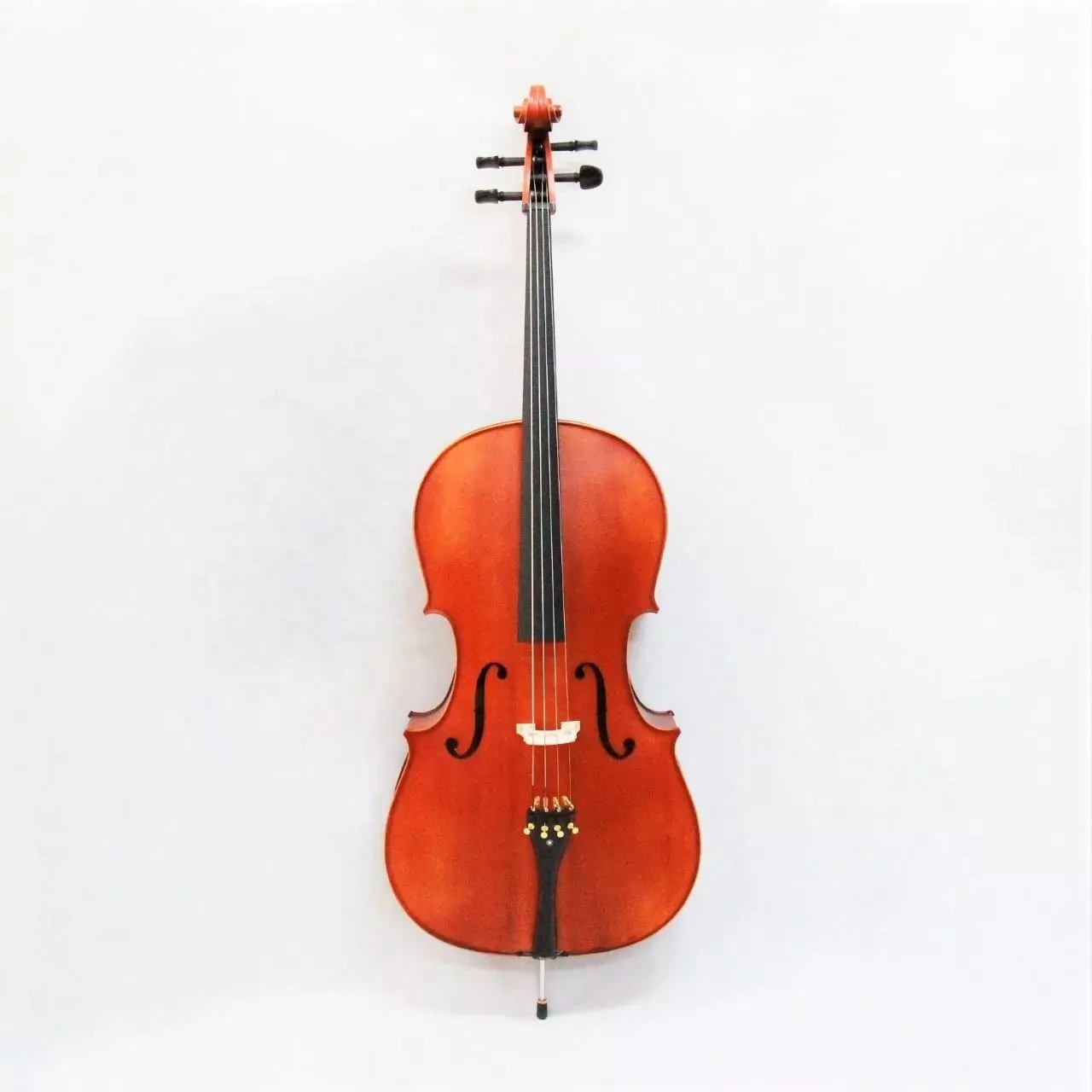
The violin is the soprano voice of the string section, celebrated for its capacity for lyrical, singing melodies and virtuosic passages. Learning the violin demands immense patience. Producing a clear, beautiful tone with the bow is a skill that takes years to master, and since the fingerboard is fretless, intonation (playing in tune) is a constant challenge. Yet, for those who persevere, the reward is an instrument of unparalleled expressive depth. Its smaller cousins, the viola and the larger cello and double bass, complete the orchestral string quartet, each with its own unique timbre and role. The journey of learning a bowed string instrument like the violin is a profound education in the subtleties of sound.
The guitar, by contrast, is perhaps the most accessible and ubiquitous musical instrument in modern popular music. The presence of frets on the neck simplifies the issue of intonation, allowing beginners to play recognizable chords and melodies relatively quickly. This immediate feedback can be highly motivating. The acoustic guitar is a self-contained companion for a songwriter, while the electric guitar, paired with an amplifier, opens up a universe of tonal possibilities, from clean, shimmering jazz sounds to heavily distorted rock tones. Many excellent beginner and intermediate guitars are produced in specialized manufacturing centers like Tengzhou in Shandong, China, which has become a global hub for guitar production, blending quality craftsmanship with accessible pricing (Oreate, 2026). Whether you choose a nylon-string classical, a steel-string acoustic, or an electric model, the guitar offers a direct and versatile entry point into making music.
Wind instruments create sound through a vibrating column of air. This family is traditionally divided into two main sub-groups: woodwinds and brass.
The term "Wood Instrument" can be a bit of a misnomer, as the defining characteristic is not the material of the instrument but the method of sound production. For example, a flute (often made of metal) is a woodwind because its sound is generated by blowing air across an edge, while a saxophone (made of metal) is a woodwind because it uses a single vibrating reed. Other members include the clarinet (single reed) and the oboe and bassoon (double reed). Each type of mouthpiece produces a distinct timbre and response. Learning a wood instrument involves developing precise breath control, known as "embouchure," and mastering complex fingerings. The saxophone, a relatively modern invention, has become a cornerstone of jazz music, while the flute and clarinet are mainstays of the orchestra and concert band.
The Brass Instrument family operates on a different principle. The player's lips themselves become the source of vibration. By buzzing their lips into a cup-shaped mouthpiece, the player creates a sound that is then amplified and colored by the instrument's tubing. Pitch is controlled by a combination of lip tension and the use of valves or a slide (in the case of the trombone) to change the length of the tubing. Instruments like the trumpet, French horn, and tuba form the powerful core of the orchestra's brass section. A town like Caigongzhuang in Tianjin, China, has become a world leader, producing an astonishing number of the world's brass and woodwind instruments, demonstrating a mastery of the precision manufacturing these instruments require (Yan, 2026). Learning a brass instrument is a physical discipline, requiring the development of strong facial muscles and a powerful diaphragm. The resulting sound can be majestic and commanding, capable of filling a concert hall.
The percussion family is the oldest and most varied group of instruments. A percussion instrument is any object that produces a sound when struck, scraped, or shaken. This category includes everything from a simple triangle to a massive drum kit or a complex marimba. Percussion is the foundation of most musical ensembles, providing the rhythmic framework and energy.
We can divide percussion into two main types: pitched and unpitched. Unpitched percussion instruments, like the snare drum, bass drum, and cymbals that make up a standard drum kit, produce sounds of indefinite pitch. They are used to create rhythmic patterns, or "beats." Learning the drum kit is a fantastic exercise in coordination, as it requires the use of all four limbs independently. It is also a physically demanding and loud musical instrument, a practical consideration for any aspiring drummer.
Pitched percussion instruments, such as the xylophone, marimba, and timpani, are designed to produce specific notes and can play melodies and harmonies. The piano is sometimes considered a member of this family, as its sound is produced by hammers striking strings. Learning a pitched percussion instrument like the marimba combines rhythmic precision with melodic and harmonic sensitivity, making it a uniquely challenging and rewarding pursuit. Exploring the world of percussion connects you to the most fundamental element of music: rhythm.
While the piano can be classified as a string or percussion instrument, it is often placed in its own category of keyboard instruments. The layout of the keyboard, with its intuitive visual representation of the chromatic scale, makes it an excellent tool for learning music theory. Digital pianos and synthesizers have further expanded this family, offering a vast range of sounds, silent practice with headphones, and computer connectivity. For a student interested in composition, production, or understanding the full spectrum of harmony, a keyboard is an invaluable musical instrument.
Electronic instruments represent the newest frontier. Synthesizers, drum machines, and software-based instruments offer limitless sonic palettes. The skills required are often a hybrid of traditional musicianship and technological proficiency. For the experimentally minded musician, the world of electronic music production offers a universe of creative possibilities.
The romantic vision of playing a chosen musical instrument must eventually meet the hard ground of reality. Practical considerations like space, noise levels, and portability, along with the physical compatibility between the player and the instrument, are not minor details; they are often the deciding factors that determine whether a person will succeed or abandon their musical pursuits. An honest assessment of your living situation, your physical attributes, and your lifestyle is a necessary step in making a wise and sustainable choice. A grand piano is a magnificent instrument, but it is a poor choice for someone living in a small, top-floor apartment with thin walls.
Before you bring a musical instrument home, you must consider its impact on your environment and the people with whom you share it. The first question is one of sheer physical space. A cello or a double bass requires not only a place to be played but also a safe corner where it can rest in its case without being a constant obstacle. A full acoustic drum kit can occupy a significant portion of a room. In contrast, a flute or a clarinet can be stored easily in a closet, and a guitar can be hung on a wall.
The second, and often more contentious, issue is sound. The powerful, low frequencies of a tuba or a bass amplifier can travel easily through walls and floors, potentially straining relationships with family or neighbors. The sharp, percussive sound of a snare drum can be particularly penetrating. If you live in a shared space like an apartment building, you must think about sound management. Fortunately, technology offers solutions. Many instruments, including guitars, basses, and keyboards, can be played through headphones via small amplifiers or interfaces. Electronic drum kits provide a near-silent practice experience. Even for acoustic instruments, practice mutes are available that can significantly reduce the volume of a violin or a trumpet, making it possible to practice without causing a disturbance. Your choice of musical instrument should reflect a respect for your shared sonic environment.
A musical instrument is a physical object that you must hold, manipulate, and control with your body. Therefore, a degree of physical compatibility is necessary. While people of all shapes and sizes can learn to play almost any instrument, certain physical matchups can make the initial learning process smoother or more difficult.
Hand size is a common consideration. Someone with very small hands might find the wide neck of a classical guitar or a full-sized bass guitar challenging at first. Conversely, someone with very large fingers might feel cramped on the small fretboard of a mandolin or ukulele. For string instruments like the violin and cello, this is addressed by manufacturing them in fractional sizes (e.g., 1/2 size, 3/4 size) to accommodate younger or smaller players. It is always advisable to physically hold an instrument before purchasing it to see how it feels in your hands.
For wind instruments, physical attributes like lung capacity and mouth shape (embouchure) come into play. Instruments like the tuba or the baritone saxophone require a large volume of air to produce a full, sustained tone. While lung capacity can be developed through practice, a person with a smaller frame might find it more immediately manageable to fill a smaller instrument like a flute or a clarinet. The physical demands should not be a deterrent, but they should be a known factor in your decision. The goal is to find a musical instrument that feels like a natural extension of your body, not something you are constantly fighting against.
Finally, consider the role of the instrument in your life outside your home. Do you plan to take it to lessons, to jam sessions with friends, or to perform at local venues? The portability of your musical instrument will greatly influence how easily you can integrate it into your social and musical life.
A flute, a clarinet, a violin, or a trumpet is highly portable, fitting into a small case that can be easily carried on public transportation or in a car. A guitar in a gig bag is manageable for most people. A cello, however, requires its own seat in a car and can be cumbersome to travel with. A double bass is even more challenging. An acoustic drum kit requires multiple trips to load in and out of a venue, a process that drummers know all too well. A digital piano is more portable than an acoustic one, but a full 88-key weighted model is still a heavy, two-person lift.
If your musical dream involves playing with others, the ease with which you can transport your instrument is a significant factor. The less friction there is in getting your instrument from point A to point B, the more likely you are to participate in collaborative musical opportunities. This practical consideration can have a profound impact on the richness of your musical life.
The decision to acquire a musical instrument is also a financial one. It is tempting to focus solely on the initial purchase price, but this is only the first chapter of the economic story. A thoughtful budget accounts for not only the instrument itself but also the ecosystem of accessories, maintenance, and instruction required to learn and maintain it. Understanding the full financial picture from the outset can prevent future stress and ensure that your musical journey is sustainable. There are various pathways to acquiring an instrument, from buying new or used to renting, each with its own set of economic implications.
The following table outlines the key financial differences between the three most common acquisition methods: buying new, buying used, and renting.
| Consideration | Buying New | Buying Used | Renting |
|---|---|---|---|
| Initial Cost | Highest | Moderate to Low | Lowest (typically first month's rent + deposit) |
| Value Retention | Depreciates immediately after purchase | Better value retention; may hold value well | No equity built; money is spent without ownership |
| Condition | Excellent; comes with a warranty | Varies; requires inspection and may need repairs | Generally good; maintained by the rental shop |
| Selection | Widest selection of current models | Limited to what is available on the secondhand market | Often limited to student-level models |
| Best For | Those committed to a specific instrument | Budget-conscious buyers willing to do research | Beginners who are unsure of their long-term commitment |
The most significant single expense is typically the musical instrument itself. For a beginner, the market can be confusing, with prices ranging from under a hundred dollars for a basic guitar to many thousands for an intermediate violin. It is generally wise to avoid the absolute cheapest options, as these "instrument-shaped objects" can be difficult to play, produce a poor sound, and ultimately cause more frustration than joy. A good quality student-model instrument from a reputable brand is the best starting point.
Buying a new musical instrument offers peace of mind. It will be in perfect condition, often comes with a warranty, and you can be sure of its quality. This is a straightforward option for those who have a clear budget and are committed to their choice.
Buying a used instrument can offer tremendous value. Musical instruments, especially well-made ones, can last for decades or even centuries. You can often acquire a higher-quality instrument for the same price as a new student model. However, this path requires more diligence. A used guitar might have a warped neck, a used brass instrument might have stuck valves, or a used violin could have hidden cracks. It is highly recommended to have an experienced player or a qualified repair technician inspect any used instrument before you purchase it. The secondhand market can yield wonderful finds, but it also carries risks for the uninformed buyer.
The price tag on the musical instrument is just the beginning. Nearly every instrument requires a set of accessories to be played and maintained properly. A guitarist will need a case or gig bag, a tuner, picks, a strap, and extra strings. A violinist needs a case, a bow, rosin, a shoulder rest, and replacement strings. A brass instrument player needs valve oil, a cleaning snake, and a mouthpiece brush. These smaller purchases can add up quickly.
Furthermore, a musical instrument is a physical object that is subject to wear and tear. Strings break, pads on woodwind instruments wear out, and bows for string instruments need to be re-haired. Periodic professional setups and maintenance are required to keep an instrument in optimal playing condition. A guitar's action might need adjustment, or a trumpet's valves might need professional cleaning. Factoring in an annual budget for this upkeep is a part of responsible instrument ownership.
Finally, the most significant ongoing cost is often lessons. While self-teaching is possible with the abundance of online resources, the guidance of a good teacher is the most effective way to build a solid technical foundation and stay motivated. The cost of weekly or bi-weekly lessons should be considered a core part of the financial commitment to learning a musical instrument.
For those who are hesitant to make a large initial investment, renting a musical instrument is an excellent option. Most local music stores offer rental programs, particularly for common student instruments like the violin, cello, flute, clarinet, and trumpet. The initial outlay is low, and the monthly fee is manageable.
Renting provides flexibility. If after a few months a student decides that the trumpet is not for them, they can simply return it. If a young violin player outgrows their fractional-sized instrument, it can be easily exchanged for the next size up. Many rental programs also include maintenance and repairs in the monthly fee, removing the worry of unexpected repair costs. Often, a portion of the rental payments can be applied toward purchasing the instrument later, a "rent-to-own" model. For parents of young children who are just beginning their musical education, or for adults who want to test the waters with a particular instrument, renting is a low-risk, financially sensible pathway into the world of music.
Acquiring the musical instrument is the first step. Learning to play it is the journey itself—a journey that demands a deep reservoir of patience, a structured approach to practice, and a realistic understanding of the time it takes to develop proficiency. The path is rarely linear; it is filled with moments of exhilarating progress, frustrating plateaus, and profound discovery. Understanding the nature of this journey from the outset can equip a new musician with the mental and practical tools needed to persevere and find lasting fulfillment.
Different instruments present different initial challenges. The concept of a "learning curve" can be helpful here. Some instruments have a relatively gentle initial curve, allowing a beginner to produce a pleasing sound and play simple tunes quite quickly. The ukulele and the recorder are classic examples. This early success can be highly encouraging. A diverse selection of musical instruments is available, each with its unique learning trajectory.
Other instruments have a much steeper initial curve. As mentioned, producing a single, clear, in-tune note on a violin can take weeks or months of dedicated practice. The initial sounds a beginner makes are often far from pleasant. Similarly, developing the proper embouchure to get a consistent tone from a brass instrument like the French horn requires significant effort before one can even begin to play melodies. Instruments with a steep initial curve demand a higher tolerance for delayed gratification. The prospective student must trust that their diligent, and sometimes frustrating, efforts will eventually pay off. There is no "easy" instrument to master, but understanding where the primary challenges lie can help you align your choice with your personality and patience level.
In the digital age, the resources for self-teaching have never been more abundant. Websites, video tutorials, and apps provide a wealth of information for the aspiring musician. For a highly disciplined and self-motivated individual, this can be a viable path, particularly for instruments like the guitar or piano where a great deal of popular music repertoire is readily available.
However, the value of a skilled human teacher cannot be overstated. A good teacher does more than simply transmit information; they provide personalized, real-time feedback. They can correct a subtle error in your posture before it becomes an ingrained bad habit. They can diagnose why you are struggling with a particular passage and offer a tailored solution. They can see when you are becoming discouraged and provide the right words of encouragement or a new piece of music to spark your interest. A teacher acts as a guide, a mentor, and a coach, helping you navigate the complexities of your chosen musical instrument with an expert eye. For technically demanding instruments like the violin or those in the brass instrument family, a teacher is almost indispensable for building a correct and healthy technique from the beginning. The investment in lessons is an investment in the quality and efficiency of your learning.
Music is a skill, and like any skill, it is built through consistent, focused repetition. The idea of "practice" can sometimes conjure images of tedious, joyless drills. A more helpful way to think about it is as a process of exploration and problem-solving. The adage "practice makes perfect" is less accurate than "perfect practice makes perfect." It is not the sheer quantity of time spent but the quality of that time that yields results.
A short, focused practice session of 20-30 minutes every day is far more effective than a single, multi-hour cramming session once a week. The brain and muscles learn and consolidate new skills during rest, so consistency is key. A good practice routine is balanced. It might include a warm-up (like scales and technical exercises), a section for working on new, challenging material, and a portion for simply enjoying playing music you already know. This combination keeps the process engaging. Setting small, achievable goals for each practice session—such as mastering two measures of a new song or improving the smoothness of a scale—creates a sense of accomplishment and builds momentum. The practice room is where the real journey unfolds, where frustration is transformed into fluency, one note at a time.
When you select a musical instrument, you are not just choosing a tool for making sound; you are investing in a piece of craftsmanship. The quality of an instrument's materials and construction has a direct and profound impact on its playability, its tone, and its longevity. A well-made instrument is a joy to play; it responds to your touch, produces a beautiful sound, and inspires you to practice. A poorly made instrument, by contrast, can be a source of constant frustration, with tuning problems, uncomfortable action, and a thin, unsatisfying tone. Learning to discern quality is a vital skill for any prospective buyer, especially in a globalized market where instruments are made all over the world.
The musical instrument market is generally segmented into three tiers: student, intermediate, and professional.
Student models are designed with the beginner in mind. The primary focus is on durability, ease of play, and affordability. They are typically made from less expensive materials and use manufacturing processes that allow for mass production. A good student guitar, for example, will have a stable neck and a low "action" (the height of the strings off the fretboard) to make it easier for new fingers to press down the strings. While they may not have the tonal complexity of more expensive models, a well-chosen student instrument from a reputable brand is more than adequate for the first few years of learning.
Intermediate instruments represent a significant step up in quality. They are intended for the serious student who has moved beyond the basics and requires a more responsive and expressive tool. These instruments often use solid woods instead of laminates (in the case of a wood instrument like a guitar or violin), feature higher-quality hardware, and receive more hands-on attention during the manufacturing process. The result is a richer, more nuanced tone and a more refined playing experience.
Professional instruments are the pinnacle of the craft. They are often handmade by skilled luthiers or in small, specialized workshops. They use the finest, carefully selected materials, and every detail is meticulously executed. These instruments are built for the demands of the concert stage and the recording studio, offering the widest possible range of dynamics and tonal color. For most learners, a professional musical instrument is a future aspiration rather than a starting point.
In the 21st century, the geography of instrument manufacturing has shifted dramatically. While historic centers of luthiery in Europe and North America continue to produce high-end instruments, much of the world's production, especially in the student and intermediate tiers, now comes from specialized industrial centers in Asia. The perception of "Made in China" has evolved from one associated with low-cost copies to one recognized for producing high-quality instruments at competitive prices (Moen, 2026).
Cities and towns have become world-renowned for their specific expertise. For instance, Caigongzhuang, a town in Tianjin, produces more than half of the world's brass and woodwind instruments, exporting saxophones, trumpets. The craftsmanship in these factories blends modern precision manufacturing with generations of passed-down skill, resulting in instruments that meet rigorous international standards (Chen, 2025). Similarly, Tengzhou in Shandong province has become a powerhouse for guitar manufacturing, producing millions of instruments annually for both domestic and international brands (Oreate, 2026). Tianjin has a long and storied history, not just in Western instruments but also in traditional Chinese ones like the guqin and erhu, reflecting a deep cultural heritage of instrument making (Hayes, 2026). This globalized production means that today's beginner has access to a higher quality musical instrument than ever before. Reputable global suppliers often source their instruments from these proven manufacturing bases.
Whether you are buying new or used, a careful physical inspection is paramount. Even if you are a complete beginner, there are several things you can look for.
For any string instrument, such as a guitar or violin, look down the neck from the headstock toward the body. It should be straight, not twisted or bowed excessively. Check the point where the neck joins the body for any signs of cracks or separation. Press down the strings at various points on the neck; they should not be painfully high off the fingerboard.
For a woodwind or brass instrument, check the condition of the pads (on woodwinds) to ensure they are not torn or overly worn. Press down all the valves or keys; they should move smoothly and quietly, without sticking. Look for any significant dents in a brass instrument, as these can affect the airflow and intonation.
For any instrument, examine the overall fit and finish. Are the joints clean? Is the lacquer or varnish applied evenly? High-quality craftsmanship is often evident in these small details. If possible, have someone who already plays the instrument test it for you. They can assess its tone, its intonation up and down the neck, and its general feel in a way that a beginner cannot. This final check can be the difference between buying a reliable musical partner and a source of future headaches.
The final, and perhaps most profound, aspect of choosing and learning a musical instrument lies not in the instrument itself, but in the mindset of the musician. The journey is a marathon, not a sprint. It is a path of gradual, incremental progress. Cultivating a healthy perspective, defining personal success, and learning to find joy in the process itself—rather than focusing solely on a distant, idealized destination—are the keys to a long and rewarding relationship with music. Without this psychological foundation, even the finest violin or guitar will eventually end up gathering dust in a corner.
In a world saturated with images of virtuosic performers on competition stages and social media, it is easy to develop a skewed and often paralyzing definition of success. The reality is that very few people who learn a musical instrument will become professional concert artists. This does not diminish the value of the endeavor. Success in music is not a single, monolithic peak; it is a vast and varied landscape.
Your definition of success should be personal and authentic to your own goals. For one person, success might be the ability to play a few favorite songs on the guitar around a campfire with friends. For another, it might be joining a local community orchestra and experiencing the thrill of performing in a large ensemble. For a third, it could be the private, meditative joy of playing a beautiful piano sonata for themselves at the end of a long day. For a songwriter, the guitar or piano is a tool for creation, a means to bring their lyrical and melodic ideas to life.
By defining success on your own terms, you free yourself from an unhelpful comparison with others. Your journey is your own. The goal is not to be "the best," but to become a better version of your musical self than you were yesterday. This perspective transforms the learning process from a high-pressure performance into a personal adventure.
Every person who learns a skill experiences the plateau. After a period of exciting initial progress, there often comes a time when it feels like you are stuck. The things that were once difficult are now easy, but the next level of challenges seems impossibly far away. You practice, but you do not seem to be getting any better. This is a natural and normal part of the learning process. It is also the point where many people give up.
Recognizing the plateau for what it is—a temporary consolidation phase—is the first step to overcoming it. This is often a sign that you need to change your approach. If you have been focused on learning new songs, perhaps it is time to dedicate a few weeks to improving your technique with scales and exercises. If you have been practicing alone, maybe joining a band or finding a duet partner will provide a new spark of motivation. This is also a time when a good teacher is invaluable. They can diagnose the specific reason for your plateau and provide you with new material and strategies to break through it.
Pushing through a plateau requires a combination of discipline and curiosity. You must have the discipline to keep practicing even when progress feels slow, and the curiosity to explore new aspects of your instrument and music. Celebrating small victories—like finally nailing a difficult chord change or playing a scale more evenly than before—can provide the encouragement needed to keep going.
Ultimately, the reason we choose to learn a musical instrument is for the joy it brings. This joy can be found in many moments. It is in the physical sensation of a vibrating string under your fingertips or the resonance of a brass instrument against your lips. It is in the intellectual satisfaction of understanding a piece of music and bringing it to life. It is in the emotional release of expressing a feeling through sound that cannot be captured in words. It is in the social connection of creating something beautiful with other people.
It is vital to never lose sight of this joy. Sometimes, in our focus on technique and accuracy, we can forget to simply play. Make time in your practice schedule to noodle, to improvise, to play old, easy songs that you love. Remind yourself of the initial spark that made you want to pick up the musical instrument in the first place. This connection to the pure, simple pleasure of making sound is the heart of the musical experience. It is the reward for all the hours of patient practice, and it is a gift that will enrich your entire life. For those beginning this exploration, a good starting point can provide the tools needed for this joyful pursuit.
There is no single "easiest" instrument, as it largely depends on an individual's natural coordination, musical background, and goals. However, instruments like the ukulele, keyboard (digital piano), and acoustic guitar are often considered accessible for adult beginners. The ukulele has soft nylon strings and simple chord shapes, while the keyboard provides a visual layout of notes that aids in understanding music theory.
"Good" is subjective, but reaching a basic level of proficiency where you can play simple songs confidently typically takes 6-12 months of consistent practice (3-5 days a week). Reaching an intermediate level often takes 2-3 years. Mastery is a lifelong pursuit. The key is consistent, focused practice rather than the total time elapsed.
For a complete beginner, renting or buying a new, quality student-model instrument is often the safest choice. New instruments come with a warranty and are guaranteed to be in good playing condition. Buying used can offer better value, but it carries the risk of hidden problems. If you buy used, it is highly recommended to have an experienced player or technician inspect the instrument first.
A reasonable budget for a good quality beginner instrument is typically between $200 and $600. This applies to most common instruments like acoustic guitars, beginner violins, flutes, clarinets, and trumpets. It is wise to avoid the absolute cheapest options (under $150), as they are often poorly made and can hinder progress.
Yes, with the vast number of online tutorials, apps, and books available, self-teaching is more feasible than ever, especially for instruments like the guitar and piano. However, a teacher provides personalized feedback that can correct bad habits before they form and accelerate learning significantly, which is particularly valuable for technically demanding instruments like the violin or French horn.
The most important factor is choosing an instrument that plays the kind of music you genuinely love to listen to. Your passion for the music will be the single greatest motivator to carry you through the challenges of learning. All the practical considerations are secondary to this fundamental connection.
For instruments like the guitar, you should be able to comfortably reach the first fret without straining your arm. For string instruments like the violin and cello, they come in fractional sizes (e.g., 1/2, 3/4). A music store professional or a teacher can measure the student's arm length to determine the correct size. It is always best to physically hold an instrument before buying.
The act of choosing a musical instrument is a deeply personal undertaking, a reflective process that balances the passions of the heart with the practicalities of daily life. It is an invitation to a lifelong conversation with sound, discipline, and self-expression. By carefully considering your musical affections, the nature of the instrument families, the realities of your physical environment, and the scope of the financial and temporal commitment, you can make a choice that is not only sound but also sustainable. The path is not about selecting the "best" or "easiest" instrument in an absolute sense, but about finding the one that is right for you—the one whose voice resonates with your own, whose challenges you are willing to meet, and whose rewards will bring you a unique and lasting joy. This decision is the prelude; the music is waiting to be made.