
The contemporary pet care market, projected to exceed $350 billion by 2027, is undergoing a profound transformation fundamentally rooted in the socio-economic phenomenon of 'pet humanization'. This evolution reshapes consumer demand, elevating expectations for pet-related goods from basic necessities to sophisticated lifestyle and wellness investments. An analysis of 2026 market dynamics reveals a decisive pivot towards technologically integrated and ethically produced items, particularly within the pet housing and apparel sectors. Leading trends indicate a burgeoning demand for smart, adaptive environments that offer climate control and health monitoring, alongside a parallel emphasis on sustainable materials and circular economic principles. For businesses operating in the pet product space, navigating this landscape requires a nuanced understanding of these drivers. Success hinges not merely on product availability but on the ability to source and market items that align with the modern pet owner's values of proactive wellness, environmental responsibility, and seamless integration of pets into the family unit.
To comprehend the trajectory of the pet product market in 2026, one must first explore the foundational shift in the human-animal relationship. This is not a simple matter of increased spending; it is a deep-seated change in perception, emotion, and ethical consideration. The forces at play are complex, blending sociological trends with economic realities, creating a consumer who is more informed, more discerning, and more emotionally invested than ever before. For any enterprise aiming to supply this market, a superficial understanding will prove insufficient. A genuine inquiry into the values and motivations of the modern pet owner is the only viable starting point.
The term 'pet humanization' describes the widespread cultural shift toward viewing and treating companion animals as integral members of the family. This is the central force animating the market's expansion, with global industry valuations projected to climb from $261 billion in 2024 to over $350 billion by 2027 (Alibaba, 2026). The implications of this are far-reaching. A dog is no longer just a dog; it is a 'fur baby'. A cat is not merely a household animal; it is a cherished companion deserving of a quality of life comparable to that of any human family member.
This emotional re-categorization directly translates into purchasing behavior. Where once a simple wooden doghouse would suffice, today's consumer seeks insulated, climate-controlled shelters. Where a basic collar was once the norm, the market now demands GPS-enabled, health-monitoring wearables. This is not about extravagance for its own sake. It is about extending the same principles of care, comfort, and safety that one would apply to a human child to a non-human family member. Businesses must recognize that they are not simply selling a pet product; they are providing a tool that facilitates a deeper, more responsible, and more loving relationship between a person and their companion animal.
A direct consequence of pet humanization is the transition from reactive to proactive wellness. The 2026 pet owner is not content to wait for illness or distress to manifest. Instead, they actively seek out products that promote long-term health, prevent common ailments, and enhance psychological well-being. This preventative mindset has propelled formerly niche categories into the mainstream. For example, specialized vitamins, joint supplements, and calming aids for anxiety are no longer fringe purchases but are considered staples by a significant portion of the market (Green, 2026).
In the realms of housing and apparel, this trend manifests in the demand for orthopedic beds designed to support aging joints, cooling vests to prevent heatstroke in brachycephalic breeds, and anxiety-reducing pressure wraps. The consumer's question has changed from "How do I fix this problem?" to "How do I prevent this problem from ever occurring?". A successful pet product in this climate is one that can be framed as an investment in a longer, healthier, and happier life for the pet. It requires a focus on scientific validation, high-quality materials, and demonstrable benefits.
The modern consumer's conscience does not stop at the checkout counter. The same concerns about environmental impact, ethical labor practices, and corporate transparency that influence their purchases of coffee or clothing are now being applied to their pet product selections. Gimmicks and unsubstantiated 'green' claims are quickly dismissed. Instead, there is a tangible demand for products made from recycled or renewable materials, manufactured through processes that minimize waste and carbon footprint, and sold by companies that are transparent about their supply chains.
This creates both a challenge and an opportunity for businesses. The challenge lies in the need to vet suppliers rigorously and invest in materials and processes that may have higher upfront costs. The opportunity lies in the ability to build profound brand loyalty with a consumer base that is willing to pay a premium for products that align with their values. Sourcing a pet product is no longer a purely logistical or financial decision; it has become an ethical one. Choosing a supplier that uses recycled plastics for their pet beds or organic cotton for their pet apparel is a powerful marketing story and a genuine point of differentiation in a crowded marketplace.
The concept of a pet's home is being radically redefined. Moving far beyond the simple provision of shelter, the new frontier of pet housing is about creating responsive, intelligent, and health-promoting environments. This evolution is a direct reflection of the broader trends in smart home technology and the deepening commitment to pet wellness. The 2026 consumer is not just buying a bed or a crate; they are investing in a personalized ecosystem designed to optimize their pet's comfort, safety, and well-being.
One of the most significant advancements is the integration of adaptive climate control into pet housing. Drawing inspiration from the "climate-aware" firmware seen in top-selling smart feeders, which adjust for ambient humidity to ensure nutritional consistency (Evans, 2026), the next generation of pet houses and beds incorporates similar intelligence. Imagine a dog kennel for outdoor use that contains integrated, low-voltage heating pads that activate when the temperature drops below a certain threshold. Conversely, consider an indoor cat bed equipped with a silent, thermoelectric cooling fan that engages during warm summer afternoons.
These are not futuristic fantasies; they are emerging realities in the premium pet product sector. These systems often connect to a smartphone app, allowing the owner to monitor the temperature and humidity within the pet's micro-environment and make adjustments remotely. This capability offers immense peace of mind, particularly for owners of breeds sensitive to extreme temperatures, such as French Bulldogs, or for those who leave their pets unattended for extended periods. For businesses, sourcing this type of advanced pet housing means partnering with manufacturers who have expertise in both durable construction and consumer electronics integration.
The aesthetic integration of pet furniture into human living spaces is another key aspect of this trend. The days of a clunky, unsightly plastic crate being shoved into a corner are waning. In their place, we see a rise in modular and multi-functional pet housing solutions. These are pieces of furniture that serve a dual purpose, such as an end table that discreetly incorporates a comfortable den for a small dog, or a stylish bookshelf that features a built-in, carpeted climbing structure for a cat.
Modularity is also paramount. Consumers are seeking solutions that can adapt over time. A puppy's playpen might be reconfigurable into a larger enclosure as it grows, or a set of modular cat climbing hexagons can be rearranged to prevent boredom. This approach appeals to the consumer's desire for longevity, sustainability, and aesthetic coherence. It transforms the pet product from a standalone object into a harmonious part of the home's interior design. Sourcing these products requires an eye for contemporary furniture trends and an understanding of how pet needs can be met without compromising on style.
The materials used in pet housing are undergoing a revolution, driven by the dual imperatives of wellness and sustainability. Orthopedic memory foam, once reserved for high-end human mattresses, is now a standard feature in premium pet beds, providing crucial support for the joints of senior or large-breed dogs (Sam, 2026). Fabrics are also becoming more sophisticated. We see widespread use of antimicrobial textiles that inhibit the growth of bacteria and fungi, reducing odors and promoting a healthier sleeping environment. Hypoallergenic materials are also in high demand for pets with sensitive skin.
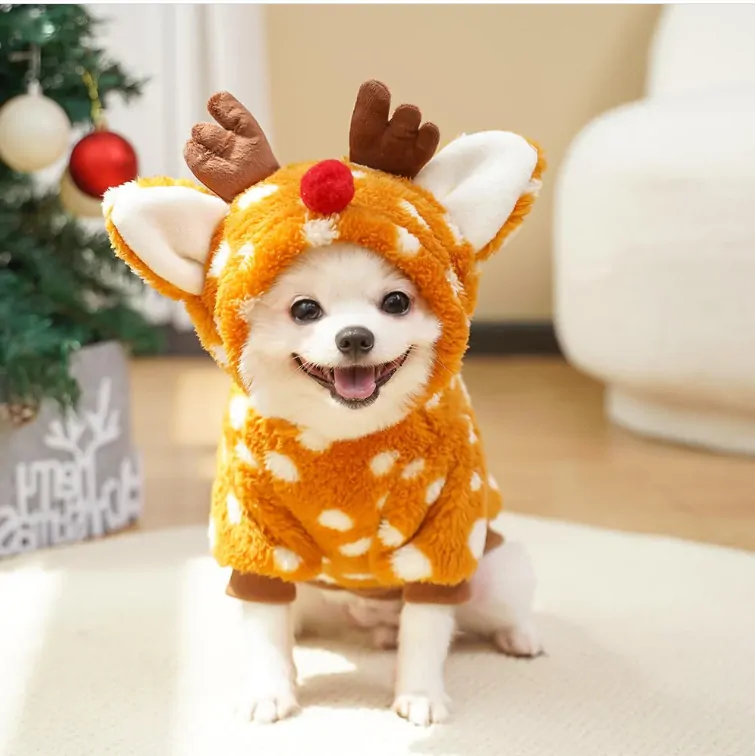
From a sustainability perspective, the use of recycled materials is a major selling point. Pet beds filled with fiber made from recycled plastic bottles are common, as are cat scratchers made from reclaimed cardboard and wooden structures built from FSC-certified timber. These material choices are not just ethical; they are a powerful marketing tool. When a consumer can be told that their purchase not only benefits their pet but also contributes to a healthier planet, it creates a compelling value proposition. Finding a trustworthy supplier network for pet housing that prioritizes these innovative and sustainable materials is a critical step for any retailer in this space.
| Feature | Traditional Pet Housing | Smart Pet Housing (2026 Trend) |
|---|---|---|
| Climate Control | Passive insulation (if any) | Active, sensor-driven heating and cooling |
| Connectivity | None | Wi-Fi/Bluetooth enabled, app-controlled |
| Functionality | Single-purpose (e.g., a bed is just a bed) | Multi-functional, integrated into human furniture |
| Materials | Basic plastics, woods, and standard fabrics | Orthopedic foams, antimicrobial textiles, recycled materials |
| Adaptability | Fixed size and shape | Modular, reconfigurable, grows with the pet |
| Data & Insights | None | May include sensors for rest patterns and activity levels |
Pet apparel has transcended its purely aesthetic or basic protective origins. In 2026, the category is dominated by the fusion of textiles and technology, giving rise to "wearable wellness" devices. This new class of pet product leverages sensors, connectivity, and data analysis to provide owners with unprecedented insights into their pet's health, safety, and well-being. It represents a a paradigm shift, transforming clothing from a passive covering into an active tool for caregiving.
The most transformative development in smart apparel is the integration of non-invasive biometric sensors. Imagine a comfortable, lightweight vest that continuously monitors a pet's vital signs. Embedded sensors can track heart rate, respiration, body temperature, and activity levels throughout the day. Some advanced models are even beginning to incorporate electrocardiogram (ECG) capabilities to detect potential cardiac arrhythmias.
This data is typically synced to a smartphone application, where it is analyzed by algorithms to establish a baseline for the individual pet. The system can then alert the owner to any significant deviations from this baseline, which could be an early indicator of illness, stress, or pain. For pets with chronic conditions like heart disease or epilepsy, these devices are invaluable for ongoing management. For healthy pets, they offer a powerful tool for early detection. This technology empowers owners to move from guessing about their pet's health to making data-informed decisions in consultation with their veterinarian.
While GPS tracking in pet collars is not a new concept, its integration and sophistication have reached new heights. The technology has become more reliable, with smaller, lighter hardware and longer battery life. It is now a standard feature in many premium collars and harnesses, no longer a niche add-on (Green, 2026). The true innovation, however, lies in the software.
Modern geofencing capabilities allow owners to create multiple "safe zones" on a map, such as the home, a relative's house, or a favorite park. If the pet crosses the boundary of one of these zones, the owner receives an instant alert on their phone. Activity monitoring is also tied into the location data, allowing an owner to see not just where their pet is, but whether they are running, walking, or resting. Some systems even include a "lost pet mode" that can broadcast the pet's location to a community of other users in the area, creating a network of helpers. This technology directly addresses one of a pet owner's most profound fears—the loss of their companion—and offers a powerful sense of security.
Beyond the high-tech sensors, the very fabrics used in pet apparel are becoming smarter. The principles of human athletic wear are being applied to create garments that enhance comfort and performance for animals. Cooling vests, for instance, use advanced evaporative cooling fabrics to help prevent overheating during exercise or in hot climates. These are particularly popular for breeds with compromised respiratory systems.
Conversely, self-warming fabrics that use a pet's own body heat to provide warmth are being incorporated into coats and sweaters for cold-weather protection without excessive bulk. Compression garments, which apply gentle, constant pressure, are widely used to help calm anxious dogs during thunderstorms, fireworks, or travel. The materials themselves are also becoming more durable and functional, with features like reflective stitching for nighttime visibility and water-resistant coatings that are both effective and breathable (Evans, 2025). This focus on material science means that even non-electronic apparel can be considered a high-performance pet product, contributing directly to the animal's health and safety.
The demand for sustainability in the pet product industry is no longer a niche preference but a powerful mainstream force. The 2026 consumer, increasingly aware of the environmental consequences of their purchasing decisions, extends their ethical considerations to the items they buy for their pets. This mandate for eco-consciousness is reshaping supply chains, driving material innovation, and forcing brands to adopt a more transparent and responsible approach to manufacturing. For businesses sourcing pet housing and apparel, ignoring this trend is not just an ethical failing; it is a significant commercial risk.
The most visible aspect of the sustainability trend is the shift in material sourcing. There is a strong market preference for products made from recycled, renewable, or biodegradable materials. In pet housing, this is exemplified by the popularity of pet beds filled with poly-fiber made from 100% post-consumer recycled plastic bottles. Each bed can divert dozens of bottles from landfills, a powerful and easily communicable selling point. Similarly, cat furniture and scratchers made from recycled cardboard or sustainably harvested wood are gaining market share over their less eco-friendly counterparts.
In pet apparel, the movement is towards natural and plant-based fibers. Organic cotton, free from pesticides and harsh chemical dyes, is sought after for pets with sensitive skin. Hemp is another rising star; it is a durable, breathable fiber that requires significantly less water and land to cultivate than cotton. Bamboo is also used for its soft, hypoallergenic, and antimicrobial properties. The key for businesses is not just to use these materials but to understand their origins and be able to articulate their specific environmental benefits to the consumer.
Beyond the choice of materials, a more sophisticated understanding of sustainability is emerging, centered on the principles of the circular economy. This model moves away from the traditional "take-make-dispose" linear system and towards one that prioritizes longevity, repairability, and end-of-life responsibility. Consumers are beginning to question the built-in obsolescence of many products and are seeking out items that are designed to last.
In pet housing, this might mean a modular crate with replaceable parts, so that a broken latch doesn't require the entire unit to be discarded. In pet apparel, it could involve offering repair kits for torn jackets or using exceptionally durable fabrics that withstand years of use. Some progressive brands are even experimenting with "take-back" programs, where they accept old products from consumers to be either refurbished for donation or properly disassembled for recycling. Embracing a circular design philosophy can create a powerful bond with consumers, as it demonstrates a commitment to value and environmental stewardship that extends far beyond the initial sale.
In a market flooded with vague claims of being "eco-friendly" or "natural," the discerning 2026 consumer looks for proof. Third-party certifications are becoming an essential tool for building trust and verifying sustainability claims. For textiles used in pet apparel and bedding, certifications like the Global Organic Textile Standard (GOTS) or OEKO-TEX provide assurance that the materials are free from harmful substances and have been produced under environmentally and socially responsible conditions. For wood-based products, the Forest Stewardship Council (FSC) certification indicates that the wood comes from responsibly managed forests.
Transparency is the other pillar of trust. Consumers want to know where and how their pet product was made. Brands that can provide clear information about their supply chain—from the origin of the raw materials to the conditions in the factory where the product was assembled—gain a significant competitive advantage. This requires close collaboration with suppliers and a commitment to ethical sourcing. For a business, this means asking potential manufacturing partners tough questions about their environmental practices, labor standards, and material traceability. This due diligence is no longer optional; it is a fundamental requirement for building a reputable brand in the modern pet care landscape. A platform designed for worry-free overseas expansion can facilitate this by connecting businesses with pre-vetted, transparent suppliers.
The era of one-size-fits-all pet products is rapidly drawing to a close. Driven by the "pet humanization" trend, owners now see their companion animals as unique individuals with specific needs, preferences, and physical characteristics. This has created a powerful demand for hyper-personalization in both pet housing and apparel. The market is moving towards bespoke solutions that cater to a pet's specific breed, age, health condition, and even the owner's aesthetic tastes. For businesses, this trend signals a shift from mass production to mass customization, offering significant opportunities for differentiation and value creation.
Standard sizing charts for pet apparel often fail to account for the vast diversity of animal body shapes. The proportions of a Dachshund are vastly different from those of a Bulldog, yet they might fall into the same "medium" size category, leading to poor fit, discomfort, and reduced functionality. The 2026 market is addressing this problem head-on with a move towards custom and breed-specific apparel.
Companies are now offering made-to-measure services, where owners can submit their pet's specific dimensions to receive a perfectly tailored coat, harness, or sweater. Others are developing extensive lines of clothing designed for the unique physiology of specific breeds, such as coats with extra neck room for Greyhounds or harnesses that don't restrict the breathing of brachycephalic (flat-faced) breeds like Pugs. This trend also extends to pets with special needs, with a growing demand for custom apparel for tripods (three-legged animals), pets recovering from surgery, or those with mobility issues. Offering personalized fitting options is a powerful way to capture a loyal customer base that has been underserved by traditional product offerings.
Personalization in pet housing is largely driven by the desire to integrate the pet's living space seamlessly into the human home environment. Owners are no longer willing to compromise their interior design for the sake of their pet. They are seeking out pet beds, crates, and cat trees that are not just functional but are also beautiful pieces of furniture that match their personal style.
This has led to a surge in customizable pet housing. Consumers can now choose the type of wood, the color of the finish, and the fabric pattern for their pet's bed or crate to ensure it coordinates perfectly with their own sofa or cabinetry. Cat furniture has evolved from carpet-covered towers into sleek, minimalist wall-mounted shelves and climbers that look like modern art installations. This trend requires that pet product designers and manufacturers pay close attention to broader trends in interior design, offering a range of styles from mid-century modern to rustic farmhouse. The pet product has become an expression of the owner's identity and taste.
The most advanced form of personalization leverages the data collected by smart pet products to create truly adaptive solutions. The activity and sleep data gathered from a wearable wellness monitor can be used to recommend the ideal type of orthopedic bed for a specific pet's needs. For example, if the data shows a dog is restless at night and frequently changes position, the system might suggest a bed with higher-density memory foam for better support.
This data can also inform the future design of pet products. By analyzing aggregated, anonymized data from thousands of users, companies can identify common problems and develop innovative solutions. They might discover, for instance, that a certain breed is consistently showing signs of overheating in a particular type of coat, leading them to develop a new, more breathable version. This feedback loop, where user data directly influences product development, allows for a level of continuous improvement and customization that was previously impossible. It transforms the relationship between the company and the consumer from a simple transaction into an ongoing partnership in pet care.
The growing recognition of mental health as a critical component of overall wellness has extended to the animal kingdom. Pet owners are increasingly aware that their companions can suffer from anxiety, stress, and fear, and they are actively seeking solutions to improve their pets' psychological well-being. This has given rise to a significant and rapidly growing "anxiety economy" within the pet product industry. The focus is on creating products, particularly in housing and apparel, that provide comfort, security, and a sense of calm.
One of the most prominent product categories to emerge from this trend is calming apparel, such as anxiety vests or shirts. These garments are designed to apply gentle, constant pressure to the pet's torso. The underlying principle is similar to the practice of swaddling an infant or the use of weighted blankets for humans. This maintained pressure is believed to have a calming effect on the nervous system, helping to alleviate anxiety triggered by stressors like thunderstorms, fireworks, separation, or travel.
The market for these products has moved from a niche solution to a mainstream staple, with many veterinarians and trainers now recommending them as a non-pharmacological intervention for anxiety (Green, 2026). The effectiveness of these vests lies in their snug yet comfortable fit. As a result, there is a strong demand for a wide range of sizes and adjustable features to suit different body types. Materials are also important; consumers look for soft, breathable fabrics that will not cause overheating or skin irritation. For businesses, offering a well-designed and scientifically-grounded line of calming apparel can meet a very real and pressing need for a large segment of pet owners.
The concept of an "enriched environment" is central to modern animal welfare, and it is now heavily influencing the design of pet housing. The goal is to create a living space that is not just a shelter but a sanctuary that reduces stress and provides positive mental stimulation. This goes beyond simply providing a soft bed. It involves designing spaces that cater to a pet's natural instincts.
For cats, this means providing verticality. Cat trees and wall-mounted perches that allow them to survey their territory from a high vantage point can significantly increase their sense of security. Enclosed, cave-like beds or dens appeal to the feline instinct to seek out secure, hidden spaces for rest. For dogs, a crate can be transformed from a cage into a safe and cozy den by using a fitted cover to reduce visual stimuli and create a more enclosed feeling. Some advanced housing solutions are even incorporating features like integrated white noise machines or diffusers for calming animal pheromones to create a multi-sensory soothing environment. The focus is on giving the animal a sense of control and safety within its personal space.
| Product Category | Primary Mechanism | Target Anxiety Triggers | Key Sourcing Considerations |
|---|---|---|---|
| Pressure Vests/Shirts | Applies gentle, constant pressure to the torso (Deep Touch Pressure) | Thunderstorms, fireworks, separation, travel, vet visits | Wide size range, adjustable fit, breathable and soft fabric |
| Enclosed/Cave Beds | Provides a secure, den-like space, reducing visual stimuli | General anxiety, need for a safe retreat, noise sensitivity | Durable construction, machine-washable materials, stable design |
| Cooling Vests/Mats | Reduces body temperature, preventing stress from overheating | Hot weather, exercise, travel in warm climates | Efficient evaporative cooling fabric, non-toxic materials |
| Pheromone Diffusers | Releases synthetic calming pheromones into the environment | Introduction of new pets, moving to a new home, separation | Clinically proven efficacy, safety for all household members |
| Interactive Housing | Incorporates puzzle elements or toys to prevent boredom | Boredom, destructive behavior, lack of mental stimulation | Pet-safe materials, durability, variable difficulty levels |
For businesses in the US and UK, the vast majority of pet products, especially in the innovative housing and apparel sectors, originate from international suppliers. The global supply chain is the circulatory system of the pet industry. Successfully navigating its complexities is not just an operational necessity but a core strategic competency. Understanding the landscape, from identifying manufacturing hubs to managing quality control and regulatory compliance, is fundamental to building a profitable and reputable pet product brand in 2026.
The primary driver for international sourcing has long been cost effectiveness. Manufacturing in countries like China, which accounts for a staggering 55% of US pet accessory imports, or Vietnam can offer significant cost reductions, often in the range of 25-35% (LEUPET, 2025). This allows businesses to achieve healthier profit margins or offer more competitive pricing to consumers. However, in the modern market, the advantages extend far beyond cost.
These manufacturing hubs have become epicenters of innovation. They possess advanced production techniques and a deep understanding of new materials and technologies (Evans, 2025). By partnering with the right international suppliers, a business can gain access to cutting-edge products, from smart pet housing with integrated electronics to high-performance apparel using the latest technical fabrics. This allows even small businesses to offer a diverse and innovative product range that would be difficult or impossible to develop domestically. Exploring a wide range of pet product categories from global suppliers can be an invaluable method for discovering these new opportunities.
The greatest challenge in international sourcing is ensuring consistent quality and product safety. The distance and cultural differences can make oversight difficult, but it is absolutely non-negotiable. A faulty product not only damages a brand's reputation but can also pose a serious risk to a pet's health. Therefore, a rigorous supplier vetting process is essential.
This process should begin with checking for relevant certifications and compliance with international standards. For example, when sourcing smart devices, confirming FCC (for the US) or CE (for the UK/EU) compliance is a basic requirement. It is also wise to request product samples and subject them to thorough testing before placing a large order. Ideally, a business should conduct, or hire a third-party service to conduct, on-site factory audits to assess production capabilities, quality control processes, and labor standards. Building a long-term relationship with a trusted supplier is far more valuable than chasing the lowest possible price from an unverified source. The quality of the final pet product is a direct reflection of the quality of the partnership with the supplier.
Moving a pet product from a factory in Asia to a warehouse in the US or UK involves a complex chain of logistics, including shipping, customs clearance, and import duties. Delays or errors at any stage can lead to significant costs and stock shortages. Working with an experienced freight forwarder or a sourcing platform that offers integrated logistics solutions is highly advisable.
Furthermore, the regulatory landscape is constantly evolving. In 2026, businesses must be mindful of regulations like the EU’s Pet Food Safety Directive and the US FDA’s animal feed traceability rules, which can have implications for products like treat-dispensing toys (Evans, 2026). There are also increasing regulations around the materials used in pet products, particularly concerning plastics and chemical treatments in textiles. Staying informed about these regulations in the target markets is critical to avoid having shipments seized or products recalled. A proactive approach to compliance is not just about avoiding penalties; it is about demonstrating a commitment to safety and responsibility.
While core categories like food, basic toys, and standard beds will always form the foundation of the pet industry, the most explosive growth and exciting opportunities in 2026 are found at the margins. The data reveals a staggering surge in demand for innovative, non-core, and specialized pet products. For the agile and observant business, these niche markets represent a chance to capture a highly engaged customer base, establish a unique brand identity, and achieve remarkable growth that outpaces the broader industry.
One of the most telling statistics to emerge from recent market analysis is the 533% year-over-year growth in the trade amount for the 'other pet supplies' category, accompanied by a 259% increase in active buyers (Alibaba, 2026). This data point is a powerful signal. It indicates that while the market for standard items may be mature and highly competitive, there is a significant and largely unmet demand for novel and specialized products.
What does this category encompass? It is a broad collection of items that fall outside the traditional definitions of food, toys, or grooming. It includes specialized travel gear, post-operative recovery suits, life-stage-specific products for puppies or senior pets, and tech gadgets that solve very specific problems. This explosive growth suggests that consumers are actively searching for innovative solutions to enhance every aspect of their pet's life. They are moving beyond the basics and are willing to invest in products that offer unique benefits, convenience, or a higher level of care. This is the frontier of the pet product market, where creativity and problem-solving are rewarded with exceptional commercial success.
To make this trend more concrete, consider a few examples of high-growth niches. The pet travel sector is booming, as more people choose to take their pets with them on vacation. This has created a demand for high-quality, airline-approved carriers, portable water and food bowls, car seat safety harnesses, and even pet-friendly camping gear. These are not just smaller versions of human products; they are specifically designed for the safety and comfort of animals on the move.
Another rapidly growing niche is post-operative and medical recovery wear. Instead of the traditional, cumbersome "cone of shame," consumers are opting for soft, flexible recovery suits that prevent a pet from licking a wound while allowing for greater comfort and mobility. There is also a demand for specialized harnesses and slings to assist pets recovering from orthopedic surgery.
Life-stage products are also key. The needs of a puppy are very different from those of a senior dog. This has created markets for puppy-specific items like teething toys and house-training aids, as well as a robust market for senior pets, including orthopedic beds, mobility ramps, and puzzle toys designed to keep aging minds sharp. Each of these niches caters to a specific, well-defined need, allowing businesses to target their marketing and product development with great precision.
The key to succeeding in these niche markets is to identify a genuine problem and offer an elegant solution. The process begins with observation and empathy. What are the common frustrations and challenges faced by pet owners? Reading forums, joining social media groups dedicated to specific breeds, and talking to veterinarians and trainers can reveal a wealth of insights.
Once a potential product idea is identified, it is vital to validate the demand before investing in a large inventory. This is where analyzing real-time sales data from large B2B platforms becomes invaluable. Observing which products are demonstrating sustained month-over-month growth and high repeat-buyer rates can provide strong evidence of a viable market (Evans, 2026). One can use a platform to browse a wide range of pet product categories to spot these nascent trends. This data-driven approach removes much of the guesswork from product selection and allows a business to invest with confidence, targeting the untapped potential where the most significant growth lies.
The primary driver is 'pet humanization', the cultural shift of treating pets as integral family members. This emotional re-categorization influences every purchasing decision, elevating demand for products that enhance a pet's health, comfort, and safety to a level comparable to that for a human family member.
Look for third-party certifications such as the Global Organic Textile Standard (GOTS) for textiles or the Forest Stewardship Council (FSC) for wood products. Request transparency in their supply chain and ask for documentation regarding their material sources and manufacturing processes. A reputable supplier will be able to provide this information.
The data strongly indicates that smart pet products are a long-term trend. The integration of technology for health monitoring, safety, and convenience aligns with the core values of the modern pet owner. As the technology becomes more affordable and reliable, it is moving from a premium feature to a standard expectation in many product categories.
While broad categories offer a larger potential customer base, they are also more competitive. Niche markets, such as products for senior pets or specific breeds, often present a greater opportunity for profitability. They allow for targeted marketing, higher customer loyalty, and the ability to command premium prices for specialized solutions.
The first step is market research, not product selection. Understand the core needs and values of your target consumer. Use data from B2B platforms to identify categories with high growth and strong buyer engagement. Validate the demand for a specific type of product before you begin vetting suppliers.
Aesthetics are extremely important. Due to the pet humanization trend, owners want pet furniture that integrates seamlessly with their home's interior design. A product that is functional but visually unappealing is at a significant disadvantage. Offering customizable options in terms of color, fabric, and style is a key differentiator.
The landscape of the 2026 pet product market is one of dynamic evolution, shaped by a deep and abiding emotional shift in the human-animal bond. The elevation of pets to family members has irrevocably altered consumer expectations, creating a demand for products that are not merely functional but are also intelligent, ethical, and deeply considerate of an animal's physical and psychological well-being. The defining trends—the integration of smart technology into adaptive housing and wearable wellness devices, the non-negotiable mandate for sustainable materials and transparent production, and the move towards hyper-personalized solutions—are all manifestations of this central principle. For businesses aiming to thrive in this environment, success requires a departure from traditional retail models. It demands empathy, a commitment to quality, and a strategic approach to sourcing that prioritizes innovation and aligns with the values of the modern, conscientious pet owner. The opportunities for growth are immense, but they belong to those who understand that they are not just selling goods; they are facilitating a more profound and responsible form of companionship.