
This analysis examines the evolving landscape of the global market for pet products in 2026, focusing on five pivotal trends shaping consumer behavior and manufacturing standards across the United States, Europe, the United Kingdom, and Spain. It investigates the ascendancy of eco-conscious manufacturing, particularly in pet beds, feeders, and caskets, contrasting genuine sustainability with prevalent greenwashing tactics. The paper explores the integration of smart technology in pet carriers, training aids, and feeding systems, assessing its impact on pet wellness and the ethical dimensions of data collection. Furthermore, it delves into the movement towards hyper-personalization, where products are increasingly tailored to individual pet physiology and health requirements. A significant portion is dedicated to the complex web of international regulations governing pet travel and product safety, providing guidance for navigating customs, airline requirements, and e-commerce logistics. Finally, the holistic wellness movement is considered, which synthesizes physical comfort and mental enrichment in product design. This guide aims to equip pet owners with the critical knowledge to make informed, ethical, and practical purchasing decisions in a globalized marketplace.
The relationship we share with our companion animals often mirrors the values we hold most dear. In 2026, this reflection is cast most clearly in our purchasing decisions, where a profound shift towards ecological responsibility is reshaping the pet products industry. This is not merely a preference for "green" labels; it represents a deeper interrogation of what it means to care for another being within a fragile global ecosystem. The demand is for products that are safe and comfortable for our pets while being gentle on the planet. This movement challenges manufacturers to rethink the entire lifecycle of their goods, from the sourcing of raw materials for a pet bed to the final, respectful disposition of a beloved companion in a pet casket. It compels us, as consumers, to become more discerning, to look beyond the marketing and understand the real substance of sustainability.
The term "sustainability" has become so ubiquitous that its meaning can feel diluted. In the context of pet care, true sustainability extends far beyond a simple "eco-friendly" sticker. It invites us to consider a product's entire journey—a concept known as lifecycle assessment. Let's think about a common item: a pet bed. A conventionally produced bed might use synthetic fabrics derived from petroleum, filled with virgin polyester, and treated with chemical flame retardants. Its journey from factory to home is linear; at the end of its life, it is destined for a landfill, where it may take centuries to decompose, leaching microplastics and chemicals into the soil.
A genuinely sustainable approach operates on a different logic, often that of a circular economy. A sustainable pet bed might be crafted from organic cotton or recycled textiles. The filling could be made from repurposed plastic bottles, giving a second life to materials that would otherwise pollute our oceans. The design itself might be modular, allowing a worn-out cover to be replaced without discarding the entire bed. At the end of its extended life, the materials might be biodegradable, returning to the earth, or designed to be easily disassembled and recycled once more. This circular model—make, use, reuse, remake, recycle—stands in stark contrast to the linear "take, make, dispose" model. As consumers, our task is to ask critical questions. Where did these materials come from? What will happen to this pet feeder when it breaks? This inquiry moves us from passive consumption to active, responsible ownership.
The push for sustainability has catalyzed a remarkable wave of innovation in materials science, directly benefiting the quality and ecological footprint of pet products. The industry is moving away from its reliance on virgin plastics and synthetic fibers toward a palette of renewable, recycled, and biodegradable alternatives.
Consider the humble pet feeder. For years, the choice was between stainless steel, ceramic, and plastic. While steel and ceramic are durable, plastic has been a popular, low-cost option. Yet, concerns over BPA, phthalates, and microplastic shedding have led to a search for better alternatives. We now see feeders made from bamboo fiber composite, which blends a fast-growing, renewable resource with a plant-based binder to create a durable, non-toxic material. Similarly, polylactic acid (PLA), a bioplastic derived from corn starch or sugarcane, is being used to create 3D-printed custom feeders and even toys. These materials are not just novelties; they offer tangible benefits in terms of pet health and environmental impact.
Pet beds are another area of significant innovation. Instead of standard foam, which is a petroleum product, manufacturers are using natural latex, derived from rubber trees, or coconut coir (fiber from coconut husks) for support. Covers are being made from hemp, a crop that requires little water and no pesticides to grow, or Tencel™ Lyocell, a fiber derived from sustainably sourced wood pulp in a closed-loop process that recycles water and solvents. These materials are not only better for the planet but often offer superior performance, such as better breathability, moisture-wicking properties, and natural resistance to mites and mildew.
| Material | Primary Benefit | Common Application | Environmental Consideration |
|---|---|---|---|
| Recycled PET Plastic | Diverts waste from landfills | Pet Bed Filling, Toy Fabric | Requires energy to process; ensures plastic is post-consumer. |
| Bamboo Composite | Renewable, biodegradable | Pet Feeders, Bowls | Sourcing must be from sustainably managed forests (FSC certified). |
| Hemp Fabric | Durable, low-impact agriculture | Pet Bed Covers, Leashes | Naturally resistant to pests, reducing the need for pesticides. |
| Natural Latex | Hypoallergenic, durable support | Orthopedic Pet Beds | Must be sourced from sustainably managed rubber tree plantations. |
| PLA (Bioplastic) | Compostable (industrial) | 3D-Printed Feeders, Toys | Requires specific conditions to biodegrade; not suitable for home compost. |
As consumer demand for sustainable goods has grown, so has the phenomenon of "greenwashing"—the practice of making misleading or unsubstantiated claims about the environmental benefits of a product. A pet toy might be packaged in a green box with pictures of leaves, bearing a vague label like "eco-friendly" or "all-natural," without any real basis for the claim. To protect ourselves from such marketing tactics, we must become fluent in the language of legitimate environmental certifications.
These certifications are granted by independent, third-party organizations that have established rigorous standards for production. They provide a verifiable shorthand for a product's ecological and ethical credentials. For example, when you see the Global Organic Textile Standard (GOTS) logo on a pet bed cover, it certifies that the cotton was grown without synthetic pesticides or fertilizers and processed without a host of harmful chemicals. It also ensures that the workers involved were treated fairly. The Forest Stewardship Council (FSC) certification on a bamboo pet feeder or a wooden toy guarantees that the wood or bamboo was harvested from a forest managed in an environmentally responsible and socially beneficial manner.
For companies themselves, achieving B Corporation (B Corp) Certification signifies a holistic commitment. B Corps are legally required to consider the impact of their decisions on their workers, customers, suppliers, community, and the environment. When you purchase from a B Corp-certified pet products company, you are supporting a business that has been audited for its high standards of social and environmental performance, transparency, and accountability. Learning to recognize these logos transforms you from a hopeful buyer into an informed auditor, capable of distinguishing genuine commitment from empty rhetoric.
The conversation around sustainability must extend to the very end of our pets' lives. The way we choose to lay them to rest is a profound expression of the love and respect we held for them. The traditional options have often been environmentally problematic. Modern pet caskets made from plastics or treated woods persist in the earth, while cremation can have a significant carbon footprint.
The sustainable pet products movement offers more meaningful and ecologically sound alternatives. Biodegradable pet caskets & urns are now crafted from materials like woven willow, seagrass, or molded paper pulp. These caskets are designed to break down naturally and gracefully, allowing the pet's body to return to the earth without introducing harmful substances. For those who choose cremation, there are eco-friendly urns made from rock salt, which can be dissolved in water for a sea burial, or urns that incorporate seeds and soil, allowing a tree or plant to grow from the ashes, creating a living memorial. Choosing such an option is a final act of stewardship, honoring the memory of our companion while also honoring our commitment to the health of the planet they shared with us. It frames loss not just as an end, but as a return to the natural cycle of life.
The fusion of technology with daily life has now fully permeated the world of pet care, moving far beyond novelty gadgets to offer sophisticated tools for enhancing the health and safety of our animal companions. In 2026, the "smart" pet product is not defined by mere automation but by its capacity to gather data, learn patterns, and provide personalized care. This technological revolution is most apparent in the core categories of pet feeders, carriers, and training devices. These innovations present a compelling proposition: a world where a pet's nutritional needs are met with precision, its safety during travel is actively monitored, and its behavioral training is supported by intelligent feedback. Yet, this new paradigm also calls for a thoughtful examination of our role as caregivers. We must ask whether these tools truly serve the well-being of the animal or simply cater to human convenience, and we must consider the ethical implications of the data we are now collecting about our pets' lives.
The evolution of the pet feeder is a perfect illustration of this technological shift. First-generation automated feeders were simple mechanical timers, dispensing a set amount of food at designated times. They were a solution for owner absence, but they were indiscriminate. Today's intelligent pet feeders are comprehensive nutritional management systems.
Imagine a feeder connected via Wi-Fi to a mobile app. You begin by creating a profile for your pet: breed, age, weight, activity level, and any health conditions like diabetes or kidney disease. The system might even integrate with your veterinarian's software or a brand of therapeutic pet food. Based on this profile, the feeder calculates the precise portion size and optimal feeding times. If you have multiple pets, the system can use RFID tags on their collars to ensure that each animal only has access to its own designated food and portion—a game-changer for households where one pet is on a diet or requires a special formula.
But the intelligence doesn't stop there. Advanced models incorporate built-in scales to weigh the food dispensed and to track how much the pet has eaten. This data is logged and visualized in the app, revealing patterns that could be early indicators of illness. A sudden drop in appetite, for instance, might trigger an alert to the owner. Some systems even include cameras, allowing you to check in on your pet during mealtime and speak to them through a two-way audio system. This transforms the feeder from a dispenser into a proactive health monitoring device, offering peace of mind and actionable insights into a pet's well-being.
For anyone who has ever faced the anxiety of traveling with a pet, especially on an airplane, the idea of a "connected" pet carrier is profoundly reassuring. International travel regulations for animals are strict for a reason: the cargo hold of an airplane can be a stressful and potentially dangerous environment. Technology is now being deployed to mitigate these risks.
A state-of-the-art smart pet carrier in 2026 is a mobile safety cocoon. At its core is a GPS tracker, providing real-time location data from the moment you check your pet in until you are reunited at your destination. This simple feature eliminates the fear of a pet being lost or misrouted. But the most critical innovations concern the carrier's internal environment. Integrated sensors constantly monitor the ambient temperature and humidity. If the temperature deviates from a pre-set safe range, a quiet, battery-powered fan can activate to circulate air. In more advanced models, a small thermoelectric plate can provide gentle cooling or warming.
These carriers also address the animal's psychological stress. Some include a small, wide-angle camera that allows an owner to view their pet via a smartphone app, providing visual confirmation that the animal is safe. The carrier can even log data on noise levels and turbulence, information that could be valuable for understanding and minimizing travel stress in the future. The U.S. Department of Agriculture provides extensive guidelines on pet travel, and these smart carriers are being designed to meet and exceed these standards, ensuring the physical safety and emotional well-being of the animal throughout its journey (Animal and Plant Health Inspection Service, 2026).
Pet training has traditionally been a hands-on process, relying on timing, consistency, and a deep understanding of animal behavior. While that human connection remains irreplaceable, artificial intelligence is emerging as a powerful supplementary tool. AI-powered training aids are designed to provide consistent, immediate feedback in a way that a human owner sometimes cannot.
Consider the problem of nuisance barking. An AI-powered anti-barking device does not simply emit a sound every time a dog barks. Instead, it uses machine learning to analyze the acoustic properties of the bark. It can learn to differentiate between an alert bark (at a stranger at the door) and a boredom bark. It can then deliver a tailored response—perhaps an ultrasonic tone or a vibrating signal from a collar—only for the unwanted behavior. The system learns and adapts, becoming more accurate over time and avoiding unnecessary corrections.
Similarly, interactive AI toys are transforming pet enrichment. A smart toy might use a camera and motion sensors to "see" how a cat or dog is interacting with it. It can learn the pet's preferred play style—does it like to chase, pounce, or puzzle things out?—and adjust its behavior accordingly. It might roll faster, dispense treats at strategic moments, or mimic the erratic movements of prey to keep the pet engaged. This provides crucial mental stimulation, particularly for pets left alone for long periods, helping to prevent the development of destructive behaviors rooted in boredom and anxiety. These tools do not replace the need for human interaction and positive reinforcement training, but they can be valuable assistants in creating a well-behaved and mentally stimulated companion.
The rise of smart pet products brings with it a complex ethical question that we are only just beginning to confront: who owns the data about our pets, and how should it be used? Your smart feeder knows your dog's breed, age, and medical history. Your GPS collar tracks your cat's every move. Your AI training device listens to the sounds in your home. This is an enormous amount of data, not just about the animal, but about its human household.
As consumers, we must demand transparency from manufacturers. The privacy policy of a pet tech company is now as important as the product's features. Where is this data stored? Is it anonymized? Is it being sold to third parties, such as pet insurance companies, marketers, or data brokers? Could your pet's pre-existing condition, as logged by its smart feeder, be used to increase your insurance premium? Could the patterns of when you are home or away, as determined by your pet camera, be used for targeted advertising or, more worrisomely, be vulnerable to security breaches?
The Nussbaumian concept of empathy is useful here. We must try to see the situation from a perspective of vulnerability. Our pets cannot consent to having their data collected. The responsibility falls entirely on us to act as their advocates and protectors in the digital realm, just as we do in the physical world. This means choosing products from companies with strong, clear, and ethical data privacy policies, using strong passwords, and being mindful of the information we are implicitly sharing. The convenience of technology cannot come at the cost of our pets'—and our own—privacy and security.
The era of one-size-fits-all pet products is rapidly drawing to a close. A defining trend of the 2026 market is a move towards hyper-personalization, an approach grounded in the recognition that every pet is a unique individual with specific physiological, behavioral, and medical needs. This philosophy rejects the notion that a single pet bed design can serve a Great Dane and a Chihuahua equally well, or that one type of food bowl is suitable for every breed. Instead, it leverages advances in materials science, manufacturing technology, and veterinary medicine to create products tailored to the precise requirements of each animal. This shift is driven by a more sophisticated consumer—a pet owner who sees themselves not just as a master, but as a dedicated custodian of their companion's health and happiness. From orthopedic beds that soothe aging joints to cages designed for a specific breed's temperament, personalization is transforming pet care from a generic service into a bespoke craft.
Perhaps the most impactful application of personalization is in the realm of orthopedic pet beds. For senior pets, large breeds prone to joint issues like hip dysplasia, or animals recovering from injury, a standard, soft-filled bed provides inadequate support, potentially exacerbating pain and stiffness. An orthopedic bed, by contrast, is an engineered medical device designed to provide therapeutic rest.
The core of a high-quality orthopedic bed is its support layer, which is often made from high-density memory foam, similar to that used in human mattresses. This material conforms to the pet's body, distributing weight evenly and relieving pressure on sensitive joints and bony prominences like hips and elbows. This is particularly important for older dogs who may have lost muscle mass. But personalization goes further. Some beds offer layered foam systems, with a firm support base topped by a softer comfort layer. Others incorporate cooling gel-infused foam to help regulate the body temperature of pets who tend to overheat.
The customization extends to the bed's design. Low-profile beds with an easy-to-access opening are essential for animals with limited mobility. Bolsters around the edge can provide a sense of security and a place to rest their head, mimicking the natural "denning" instinct. The covers are also part of the system; they might be waterproof, to manage incontinence, and easily removable for frequent washing. Choosing the right orthopedic pet bed is an act of profound empathy. It requires observing your pet's specific struggles—difficulty getting up, frequent shifting to find a comfortable position—and selecting a product that directly addresses those challenges, providing not just comfort, but genuine therapeutic relief.
The pet cage or crate has undergone a significant philosophical rebranding. Once seen primarily as a tool for containment, it is now widely understood as a "den"—a safe, private space that can be a source of security for a pet. The personalization trend reflects this new understanding, moving away from standard wire boxes to enclosures designed around the animal's well-being.
Bespoke cages are often modular, allowing an owner to construct an enclosure that fits their available space and their pet's needs. For a dog that experiences separation anxiety, a crate might be configured with solid walls on three sides to create a more enclosed, den-like feel, while still allowing for ventilation and a view from the front. For households with multiple animals, modular systems can be connected to create shared living spaces with private zones.
The materials and features are also being customized. Instead of cold metal bars, we see enclosures made from wood, heavy-duty recycled plastic, or a combination of materials that feel more like furniture and integrate better into a home environment. Enrichment features are being built in, such as designated spots to hang puzzle toys or integrated, spill-proof water bowls. For "escape artist" breeds like Huskies, custom crates can be built with reinforced locks and stronger materials. For a bird or small mammal, a bespoke enclosure means moving beyond a small, restrictive cage to a large, vertical "aviary" or "habitat" with varied perches, foraging stations, and different substrates to encourage natural behaviors. This approach treats the enclosure not as a prison, but as a personalized micro-habitat designed to support the animal's physical and psychological health.
Even an object as simple as a food bowl is now subject to intense personalization. The anatomy of different pet breeds can make eating from a standard bowl on the floor inefficient or even dangerous. This has led to a proliferation of specialized feeders designed to solve specific problems.
For brachycephalic (flat-faced) breeds like Pugs, French Bulldogs, and Persian cats, eating from a deep bowl can be difficult. Their flattened facial structure makes it hard to reach the food, leading them to push it around or ingest a lot of air, which can cause digestive upset. The solution is a tilted, shallow bowl. The angle allows the food to collect in one spot, making it easily accessible without the pet having to press their face into the bowl.
For dogs that eat too quickly—a behavior that can lead to choking, vomiting, and a life-threatening condition called bloat—slow-feeder bowls are a necessity. These are not just bowls; they are puzzles. They feature mazes, ridges, and other obstacles that force the dog to work for its food, slowing down consumption and turning mealtime into an engaging mental exercise.
For large and giant breed dogs, as well as older dogs with arthritis, elevated feeders are often recommended. Eating from a raised bowl can reduce strain on the neck and joints. It may also improve posture and swallowing. The key is personalization: the height of the feeder should be customized to the individual dog. The correct height is typically level with the bottom of the dog's chest. This tailoring of a basic product to the specific anatomical needs of a pet is a hallmark of the modern, welfare-focused approach to pet ownership.
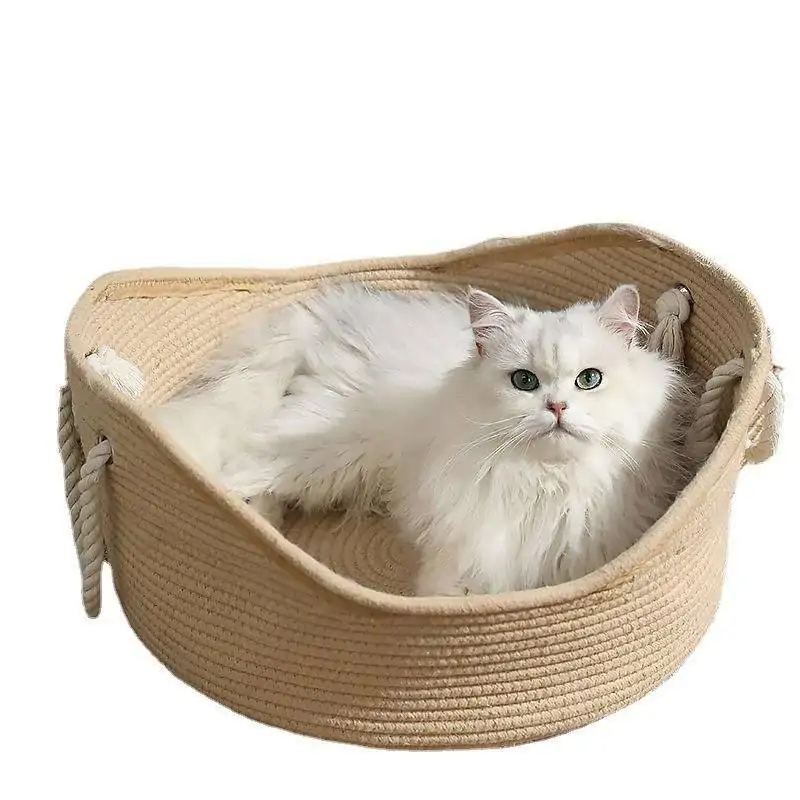
Looking ahead, the pinnacle of hyper-personalization will likely involve the integration of pet genetic testing. Direct-to-consumer DNA tests for pets are already popular for determining breed mix and screening for certain genetic health markers. In 2026, we are seeing the beginning of how this data can be used to guide product selection.
Imagine you have a mixed-breed dog. A DNA test reveals it has a genetic predisposition for hip dysplasia, common in one of its parent breeds. This information would immediately guide you toward purchasing a high-quality orthopedic pet bed and perhaps an elevated feeder, long before any symptoms appear. This is a shift from reactive to proactive care. A genetic marker for a food allergy could inform the programming of a smart feeder to dispense only specific, hypoallergenic formulas.
The data could even influence the choice of pet training aids and toys. If a dog's breed mix suggests a high prey drive, you might select interactive toys that cater to that instinct. If a cat's genetics indicate it belongs to a more sedentary breed, you might choose puzzle feeders to encourage more activity and prevent obesity. While the science connecting specific genes to behavioral traits is still developing, the potential is clear. Using a pet's unique genetic blueprint to inform the selection of the products that shape its daily life represents the ultimate expression of personalized care, moving beyond what we can observe to what we can predict and prevent. A diverse range of pet product options allows for this level of detailed customization.
Expanding a business or even just traveling with a pet across international borders introduces a formidable layer of complexity. The global marketplace for pet products is not a single, unified entity, but a patchwork of different legal, cultural, and logistical systems. For a business, selling a pet bed from Spain to the United States is not as simple as putting it in a box. For a pet owner, flying with a dog from London to Paris involves more than just buying a ticket. Success in this international arena, whether as a seller or a consumer, requires a diligent and proactive approach to understanding and complying with a dizzying array of regulations. From the specific dimensions of a pet carrier required by an airline to the customs documentation needed for an e-commerce shipment, navigating this maze is a critical skill for any global citizen in 2026.
The movement of live animals between countries is one of the most strictly regulated areas of international travel. These rules are in place primarily to prevent the spread of zoonotic diseases, particularly rabies. Each country sets its own requirements, and they can be exacting. As the U.S. Department of State notes, many countries have stringent rules, and required documentation might be referred to as a "pet passport" (Travel.State.Gov, 2026). This is not a literal passport but a collection of official documents, chief among them a health certificate issued by a licensed and accredited veterinarian.
The process typically begins months before travel. The destination country will have a specific list of requirements, which may include:
Failure to comply with any one of these steps can result in the pet being refused entry, placed in a lengthy and expensive quarantine, or even sent back to the country of origin at the owner's expense.
Once the veterinary paperwork is in order, the next hurdle is the airline. The International Air Transport Association (IATA) sets baseline standards for the transport of live animals, but each airline and even each aircraft type can have its own, more specific rules. These regulations are non-negotiable and are enforced strictly for the safety of the animal.
For a pet traveling in the cabin, the carrier must be small enough to fit under the seat in front of you. It must be well-ventilated, leak-proof, and secure enough to prevent the pet from escaping. For a pet traveling in the cargo hold, the requirements for the pet carrier (often called a kennel or crate) are much more detailed. The IATA standards typically require that the crate be:
This is where a product like a smart pet carrier can provide an advantage, as they are often designed from the ground up to meet or exceed these stringent IATA requirements.
| Feature | IATA Guideline (Typical) | Airline Example (e.g., Star Alliance Carrier) | Implication for Buyer |
|---|---|---|---|
| Material | Rigid plastic, wood, or metal; no collapsible crates. | Must be IATA-compliant; some prohibit crates with plastic doors. | Must purchase a rigid, travel-specific crate, not a soft-sided carrier for cargo. |
| Size | Pet must be able to stand, turn, and lie down naturally. | Specific dimensions (L+W+H) may have a maximum limit per aircraft. | Measure the pet carefully (A+B, C, D) and buy the appropriate size crate. |
| Locking | Secure, spring-loaded lock on the door. Metal nuts and bolts. | May require metal bolts and prohibit plastic wing nuts. | Check the crate's hardware; may need to buy a separate "travel kit" with metal bolts. |
| Ventilation | Openings on at least three sides. | Often require ventilation on all four sides for international routes. | Choose a crate with 4-sided ventilation for maximum flexibility. |
| Labeling | "Live Animal" stickers and orientation arrows. | Airline provides specific labels at check-in. | Owner must affix labels properly as instructed by airline staff. |
For businesses selling pet products globally, the challenges are different but no less complex. Simply having a website is not enough to succeed in international e-commerce. A company must adapt its digital presence and logistics to meet the expectations and requirements of each new market (). This process of website adaptation is multifaceted ().
First is localization. This goes beyond simple translation. It involves ensuring that the language used is culturally appropriate and idiomatic. It means displaying prices in the local currency and offering familiar payment methods. For example, while credit cards are dominant in the US, in Germany, bank transfers (like Giropay) are very popular, and in the Netherlands, iDEAL is the leading online payment method. Website imagery should also be culturally sensitive; colors, symbols, and even the types of pets shown can have different connotations in different countries. An effective strategy might involve using international SEO techniques to ensure the site ranks well in local search engines, which is a specialized service that helps align business goals with search demand across languages and markets ().
Second is logistics and compliance. Shipping a pet feeder from the UK to Spain involves customs declarations, Harmonized System (HS) codes to classify the product, and the calculation of Value Added Tax (VAT). The seller must have clear policies on who is responsible for these charges. The documentation must be accurate to avoid delays at the border (). Platforms that facilitate multilingual overseas expansion can be invaluable here, as they often provide integrated solutions for handling these complex logistical and payment challenges, making it easier for businesses to reach a global customer base.
A final piece of the regulatory puzzle is product safety standards. A pet product that is legal to sell in the United States may not be legal to sell in the European Union or the United Kingdom. This is especially true for electronic products like smart feeders or pet training collars.
In the European Union, many products must bear the CE mark. The CE mark is a declaration by the manufacturer that the product meets the EU's health, safety, and environmental protection standards. It is not a quality mark, but a compliance mark. For an electronic pet feeder, this would involve compliance with directives on electromagnetic compatibility (so it doesn't interfere with other devices) and low voltage (to ensure electrical safety).
Since Brexit, the United Kingdom has introduced its own mark, the UKCA (UK Conformity Assessed) mark. For a time, the CE mark was accepted in Great Britain, but the UKCA mark is now mandatory for most goods being placed on the market there. The technical requirements are largely similar to the CE mark for now, but they could diverge in the future.
In the United States, standards are often set by organizations like ASTM International (American Society for Testing and Materials). While often voluntary, these standards can become de facto requirements for gaining access to major retailers or for demonstrating due diligence in product liability cases. For example, ASTM F963 is a comprehensive safety standard for toys, and its principles are often applied to pet toys, covering things like sharp points, small parts that could be a choking hazard, and the use of toxic materials.
For a global consumer, looking for these marks on a product or its packaging provides a crucial layer of reassurance that the item has been tested and complies with recognized safety standards.
The most sophisticated trend shaping the 2026 pet products market is the move towards a holistic conception of animal wellness. This approach recognizes that a pet's well-being is not simply the absence of disease, but a complex interplay of physical comfort, mental stimulation, emotional security, and the ability to express natural behaviors. It is a philosophy that sees the animal as a whole being with a rich inner life. This holistic perspective is influencing the design of every category of pet product, from calming beds that soothe anxiety to intricate puzzle toys that engage the mind. It reframes our role as caregivers, urging us to think beyond basic needs like food and shelter and to actively cultivate an environment that nurtures our pets' psychological health as much as their physical health.
Anxiety is a prevalent issue for many companion animals, manifesting as separation anxiety, fear of loud noises like thunderstorms, or generalized nervousness. The holistic wellness movement has responded with a new generation of products designed to provide comfort and security on a psychological level.
The "calming" pet bed is a prime example. These beds are typically round with a high, soft, and often shaggy bolster. The design is intentional, meant to mimic the experience of a puppy snuggling up against its mother and littermates. This taps into a deep-seated instinct, promoting a sense of security and relaxation. The raised rim provides a physical barrier and a place for the dog to rest its head, which can have a grounding effect.
Beyond beds, other products leverage different sensory modalities to reduce anxiety. Weighted blankets, which have been used for humans with anxiety and autism, are now available for dogs. The gentle, constant pressure is thought to stimulate the production of serotonin and melatonin, promoting a feeling of calm. Pheromone diffusers, which release a synthetic version of the appeasing pheromones produced by nursing mother dogs, can create a calming atmosphere in the home. These products are not a cure for severe anxiety disorders, which often require professional behavioral intervention, but they are valuable tools for managing stress and improving an animal's day-to-day quality of life. They represent a shift from merely housing a pet to actively creating a therapeutic environment for it.
The holistic approach fundamentally redefines the purpose of pet training and toys. It moves beyond the simple goal of obedience or distraction and reframes these activities as essential forms of mental enrichment. A bored pet is often a destructive or anxious pet. Enrichment provides an outlet for a pet's natural intelligence and instincts, preventing behavioral problems before they start.
Puzzle feeders are a cornerstone of this philosophy. Instead of receiving food in a bowl, a dog or cat must solve a puzzle—slide a panel, lift a cone, or spin a wheel—to get its meal. This mimics the natural foraging or hunting behaviors that would occupy much of their time in the wild. It turns a two-minute meal into a twenty-minute engaging activity, providing significant mental stimulation and preventing boredom.
Interactive toys serve a similar purpose. These are not passive chew toys, but items that require the pet to think and problem-solve. A "snuffle mat" is a fabric mat with many folds and flaps where treats can be hidden, encouraging a dog to use its powerful sense of smell to find them. Licking mats, which have textured surfaces, can be spread with pet-safe peanut butter or yogurt. The repetitive act of licking is inherently soothing for dogs and can be a great way to calm them in stressful situations. For cats, a simple cardboard box or a wand toy that mimics the movement of prey can provide hours of enrichment. The goal of these pet training and enrichment tools is not just to keep the pet busy, but to give it a "job" to do, fulfilling its cognitive and instinctual needs.
Ergonomics—the science of designing things to be used easily and efficiently—is being applied to pet products with a holistic lens. The focus is on how the physical design of an object affects not just the pet's body, but also its behavior and mental state.
Consider the pet cage. From an ergonomic and psychological perspective, a wire cage with views on all sides can be overwhelming for some dogs, leaving them feeling exposed and anxious. A more holistically designed cage might feature solid walls or a cover to create a cozier, den-like atmosphere that promotes rest and security. The placement of the cage is also critical; locating it in a quiet corner of a family room allows the dog to feel part of the group while still having a private space to retreat to.
The design of pet feeders also has ergonomic implications. As discussed earlier, tilted bowls for flat-faced breeds and elevated feeders for large dogs are ergonomic solutions to physical challenges. But design can also encourage healthier behaviors. A "ripple" bowl, with a smooth, wave-like texture on the bottom, can slow down a cat's eating without being as challenging as a complex puzzle feeder. The choice of material—stainless steel versus ceramic versus bamboo—can also be seen through a holistic lens, considering factors like hygiene, durability, and the potential for allergic reactions. This meticulous attention to the design of everyday objects demonstrates a commitment to optimizing every aspect of the pet's living environment for maximum wellness.
The holistic wellness movement culminates in a "full-circle" view of our responsibilities as pet owners. It asks us to consider the entirety of a pet's life journey and to provide the best possible support at every stage. This journey begins with creating a stimulating and secure environment for a young animal, using enrichment toys and thoughtful training to build a confident and well-adjusted adult. It continues into the pet's prime, with high-quality nutrition delivered in ergonomically correct feeders and comfortable, supportive bedding for rest.
As the pet enters its senior years, the focus shifts to managing the challenges of aging. This is where personalized products like orthopedic pet beds become so important, providing comfort and dignity to an aging body. The full-circle approach means we are proactive, anticipating needs rather than reacting to problems. Finally, when the end of life comes, this philosophy guides us to make compassionate and respectful choices. It connects the love and care we provided throughout the pet's life to the final act of choosing a gentle and sustainable way to lay them to rest, perhaps with biodegradable pet caskets that allow a return to the earth. This perspective sees pet ownership as a continuous narrative of care, linking the joy of a new puppy to the solemn respect of a final goodbye, with every product choice along the way being a deliberate act of love and stewardship.
Choosing the correct size is critical for airline acceptance and your pet's safety. For a pet traveling in the cargo hold, IATA guidelines state the carrier must be large enough for the pet to stand up without touching the top, turn around completely, and lie down in a natural position. To measure, take the pet's height from the floor to the top of the head (or ears, if they are erect) and its length from the tip of the nose to the base of the tail. The carrier's interior should be at least 2-3 inches taller and longer than your pet. Always check the specific requirements of your airline, as they can vary.
For many pet owners, they are. Their value lies not just in automating feeding schedules, but in providing portion control and data tracking. They are particularly useful for pets on prescription diets, those needing to lose weight, or in multi-pet households where food stealing is an issue (using RFID recognition). The data on eating habits can also be an early indicator of health problems. The investment is worthwhile if you will use these advanced features to proactively manage your pet's health.
The most important factor is the quality of the support foam. Look for high-density, solid memory foam, not shredded foam or "egg crate" convoluted foam, which does not provide even support. A good orthopedic bed should not "bottom out" when you press on it with your hand. The foam should be firm enough to support the pet's joints and distribute weight evenly, relieving pressure points. A removable, washable, and waterproof cover is the second most important feature for hygiene and longevity.
Look for independent, third-party certifications on the product label or the company's website. Vague terms like "eco-friendly" or "natural" are often marketing buzzwords. Reputable certifications include GOTS (for organic textiles), FSC (for wood and paper products from responsible sources), and B Corp (for overall company ethics and environmental performance). If a company claims its product is made from recycled materials, check for details like "post-consumer recycled content" for greater transparency.
A "pet passport" is not a single document but a collection of official veterinary records required for international travel. The most common form is the EU Pet Passport, a blue booklet issued by a European veterinarian that documents microchip information, rabies vaccination history, and other health treatments. If you are traveling from the US or UK into the EU, you will need a similar document called an Animal Health Certificate (AHC). Essentially, any time you cross an international border with a pet, you will need a "passport" in the form of official, government-endorsed health documentation specific to your destination country.
Yes, the regulations are very strict. The cage, or crate, must be IATA-compliant. This means it must be made of rigid plastic or wood, have metal nuts and bolts (not plastic), and feature a secure, spring-loaded door lock. It must have adequate ventilation on at least three, and often four, sides. The crate must also contain food and water bowls that are attached to the door and can be filled from the outside. Wire or soft-sided carriers are not permitted for cargo transport.
Look for devices that promote positive reinforcement and mental enrichment rather than punishment. For example, puzzle feeders and snuffle mats are excellent training tools that reward a pet for using its brain and natural instincts. If considering an electronic aid, like an AI-powered anti-bark collar, choose one that uses progressive, humane feedback (like vibration or sound) and has the ability to learn and differentiate between types of behavior, avoiding unnecessary corrections. The goal should always be to build a better understanding and bond with your pet.
Navigating the world of pet products in 2026 is an exercise in thoughtful and informed decision-making. The trends we have explored—from the deep-rooted commitment to sustainability to the intricate dance with international regulations—are not fleeting fashions. They represent a fundamental evolution in our relationship with our companion animals. We have moved beyond basic provision to a holistic understanding of their needs, recognizing them as complex beings deserving of physical comfort, mental engagement, and emotional security.
The modern pet owner is a discerning consumer, a diligent researcher, and a fierce advocate. Whether selecting a biodegradable pet casket as a final act of love, programming a smart feeder to manage a delicate health condition, or measuring a pet carrier with meticulous care before a transatlantic flight, each choice is imbued with responsibility. The proliferation of personalized, technologically advanced, and ethically produced goods offers unprecedented opportunities to enhance our pets' lives. Yet, it also demands a higher level of scrutiny from us. We must learn to distinguish true innovation from mere novelty, and genuine sustainability from clever marketing. By embracing this role with empathy and intelligence, we not only ensure the well-being of the animals in our charge but also affirm the profound and enriching nature of the human-animal bond in an increasingly interconnected world.