
String instruments are among the oldest and most versatile musical instruments in existence. They produce sound through the vibration of strings that are stretched across a resonating body. Common examples include the violin, guitar, cello, and harp.
The strings of string instruments can be plucked, bowed, or strummed, with each method creating a unique sound. For instance, the guitar is typically strummed with the fingers or a pick, while the violin is played using a bow that is drawn across the strings.
Advantages of String Instruments:
Wide range of sound and tones
Can produce both melodic and harmonic sounds
Suitable for various genres, from classical to rock and pop
Popular String Instruments:
Guitar: Known for its versatility and use in almost all music genres.
Violin: A leading instrument in orchestras and chamber music.
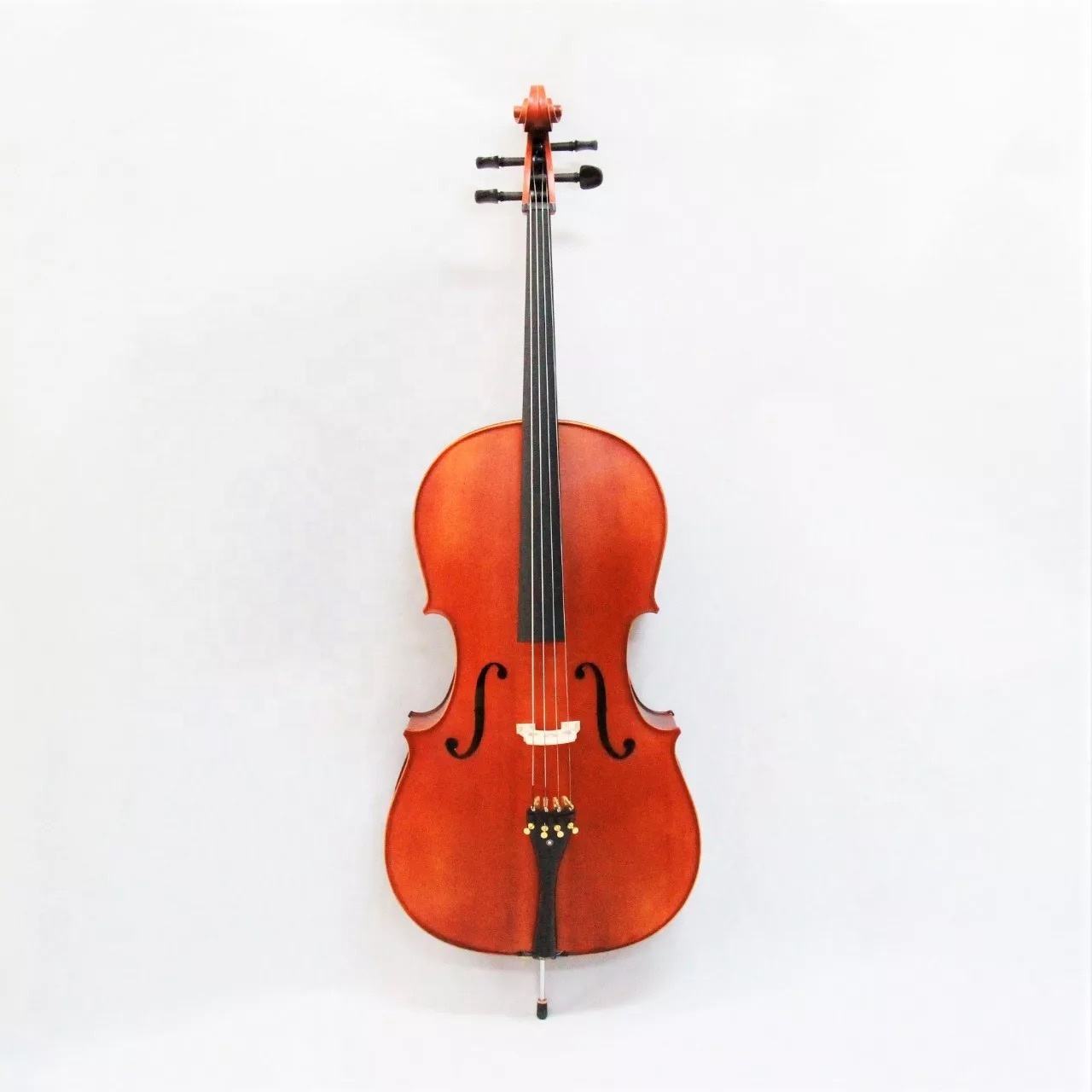
Cello: Known for its rich, deep tones.
| Instrument | Description | Common Usage |
|---|---|---|
| Guitar | Plucked string instrument | Rock, Classical, Jazz |
| Violin | Bowed string instrument | Classical, Folk, Orchestra |
| Cello | Bowed string instrument | Orchestras, Solo Performance |
Woodwind instruments are a family of instruments that produce sound when air is blown into them. They are typically made of wood, though some modern versions are made from metal or plastic. These instruments use a reed or a flared opening to vibrate and create sound.
The sound is produced by blowing air through a mouthpiece, which vibrates the reed or edges of the mouthpiece. Some woodwind instruments, like the clarinet, use a single reed, while others, like the flute, do not use a reed at all but instead rely on the air being blown across a hole.
Advantages of Woodwind Instruments:
Warm, rich tones
Variety of sounds depending on the reed and mouthpiece used
Common in both orchestral and popular music
Popular Woodwind Instruments:
Clarinet: A versatile instrument used in orchestras and bands.
Flute: Known for its light, airy tones.
Saxophone: Often associated with jazz and contemporary music.
| Instrument | Description | Common Usage |
|---|---|---|
| Clarinet | Single-reed woodwind instrument | Orchestras, Marching Bands |
| Flute | No-reed woodwind instrument | Classical, Solo, Orchestral |
| Saxophone | Single-reed woodwind instrument | Jazz, Contemporary Music |
Brass instruments are typically made of brass or other metals and produce sound through the vibration of the player's lips against a mouthpiece. They are known for their bold, resonant sound and are commonly used in orchestras, marching bands, and jazz ensembles.
When the musician buzzes their lips into the mouthpiece, the air inside the instrument vibrates to create sound. Brass instruments include trumpet, trombone, and tuba, each with its own unique sound due to the shape and size of the instrument.
Advantages of Brass Instruments:
Loud, bold sound that cuts through other instruments
Variety of tones depending on the player's technique
Essential for dramatic music in orchestras and bands
Popular Brass Instruments:
Trumpet: Known for its bright, penetrating sound.
Trombone: Recognized for its slide mechanism, creating a unique sound.
Tuba: Provides deep, resonant bass tones.
| Instrument | Description | Common Usage |
|---|---|---|
| Trumpet | Small brass instrument with valves | Orchestras, Jazz, Marching Bands |
| Trombone | Brass instrument with a sliding mechanism | Orchestras, Big Bands |
| Tuba | Large brass instrument with deep tones | Orchestras, Marching Bands |
Percussion instruments are the backbone of rhythm in music, producing sound when struck, shaken, or scraped. These instruments are categorized into two types: definite pitch (like the xylophone or timpani) and indefinite pitch (like the drums and cymbals).
The sound is produced when an object strikes, shakes, or scrapes the surface of the instrument. Percussion instruments range from small hand-held instruments like tambourines to large instruments like the bass drum.
Advantages of Percussion Instruments:
Provides the foundation of rhythm in most music genres
Can be loud and energetic or soft and subtle
Adds dramatic flair and texture to music
Popular Percussion Instruments:
Drums: The most widely used percussion instrument, found in all genres.
Cymbals: Known for their sharp, crashing sound in both orchestras and bands.
Xylophone: A melodic percussion instrument with wooden bars.
| Instrument | Description | Common Usage |
|---|---|---|
| Drums | A set of percussion instruments | Rock, Jazz, Marching Bands |
| Cymbals | Large percussion instrument | Orchestras, Marching Bands |
| Xylophone | Tuned percussion with wooden bars | Orchestras, Bands |
Electronic instruments use electronic circuits and sound synthesis to create music. These instruments have gained popularity in recent years due to their versatility and ability to produce a wide range of sounds, from traditional instrument simulations to entirely new sounds.
Sound is generated and modified using electrical signals. Instruments like synthesizers, electric guitars, and electronic drums allow musicians to manipulate and modify the sound in real-time, opening up new possibilities for musical expression.
Advantages of Electronic Instruments:
Versatility in sound production
Ability to produce a wide range of genres and styles
Easily integrated with computer systems and music software
Popular Electronic Instruments:
Synthesizer: Known for its ability to generate a vast array of sounds.
Electric Guitar: Often used in rock and pop music for its amplified sound.
Electronic Drums: Provides drum sounds with customizable settings.
| Instrument | Description | Common Usage |
|---|---|---|
| Synthesizer | Electronic instrument that generates sound | Electronic Music, Pop |
| Electric Guitar | Guitar with electronic amplification | Rock, Pop, Blues |
| Electronic Drums | Drum kit that produces electronic sounds | Electronic Music, Pop |
From the warm tones of woodwind instruments to the powerful blasts of brass instruments, the world of musical instruments is rich and diverse. Each type of instrument has its own unique sound, character, and role in musical composition. Whether you are a musician, composer, or simply a music lover, understanding the different types of instruments enhances your appreciation of the vast world of music.
For more details about musical instruments and a wide selection of options, visit EasyGoGlobal's Musical Instrument Section and explore a range of products for all your musical needs.