
The selection of a carpet for a living or working space represents a significant decision, intertwining aesthetic preference with practical functionality and long-term value. This analysis examines the multifaceted process of choosing the ideal carpet in the contemporary 2026 market, which is characterized by a vast array of materials, styles, and technological innovations. It explores the fundamental distinctions between synthetic and natural fibers, evaluating their respective properties of durability, comfort, and environmental impact. The discourse extends to the role of the carpet as a key element of interior design, considering the influence of color, texture, and pattern, including the rise of printed and fluffy carpet varieties. Furthermore, the practical dimensions of carpet ownership are addressed, with a focus on maintenance requirements, the convenience of the modern washable carpet, and the specific suitability of different carpet types for various domestic and outdoor environments. The objective is to provide a comprehensive framework that empowers individuals to navigate their choices with clarity and confidence, ensuring the selected flooring enhances both the utility and the emotional resonance of their space.
Choosing a carpet is not merely an act of covering a floor; it is an act of defining a space. The material underfoot shapes our daily experience, influencing our sense of comfort, the acoustics of a room, and even the air we breathe. The decision of which material to select forms the very foundation of this experience. It requires a thoughtful deliberation on the tensions between the manufactured and the natural, the resilient and the delicate, the pragmatic and the luxurious. To navigate this choice is to engage with the science of fibers and the art of living. The global textile flooring market reflects this complexity, with projections showing steady growth driven by a dual desire for aesthetic appeal and sustainable solutions (Persistence Market Research, 2026). Let us begin by dissecting the primary families of carpet fibers—synthetics and naturals—to build a clear understanding of their inherent qualities.
Synthetic fibers are the product of human ingenuity, engineered to solve specific problems of wear, staining, and cost. They dominate the modern carpet market for reasons rooted in their performance and accessibility. Think of them as specialized tools, each honed for a particular task within the home.
Nylon: If there were a reigning champion of synthetic carpet fibers, it would be nylon. Its reputation is built on a remarkable combination of durability and resilience. Resilience, in this context, is a fiber's ability to "bounce back" from compression. Imagine the constant weight of a heavy sofa or the repeated footfalls in a busy hallway. Nylon fibers, due to their molecular structure, can withstand this pressure and return to their original form, resisting the flattened, matted look that can plague lesser materials. This quality makes a nylon carpet an excellent candidate for high-traffic areas. Nylon also demonstrates excellent resistance to abrasion and stains, particularly when treated by the manufacturer. Its primary drawback has historically been its susceptibility to fading from direct sunlight and its tendency to generate static, though modern treatments have mitigated these concerns significantly.
Polyester: Polyester offers a compelling proposition centered on its vibrant color possibilities and inherent stain resistance. Unlike nylon, which typically requires a chemical treatment to repel stains, polyester is "hydrophobic," meaning it naturally repels water-based liquids. This makes it a friend to households with children or pets, where spills are a part of life. A polyester carpet often feels exceptionally soft and luxurious underfoot, providing a sense of indulgence at a price point generally lower than nylon. Its weakness lies in its lower resilience. Under the weight of furniture or heavy foot traffic, polyester fibers are more prone to crushing and matting over time. For this reason, it is best suited for low to medium-traffic areas like bedrooms, where its softness can be fully appreciated without compromising its lifespan.
Polypropylene (Olefin): Polypropylene is a fiber defined by its resistance to moisture and its value. It is so water-resistant that it is often used for Home Outdoor Carpets and in basements where dampness can be a concern. Its color is "solution-dyed," meaning the pigment is added to the polymer while it is still in a liquid state. This process makes the color an integral part of the fiber, rendering it exceptionally fade-resistant and even resistant to bleaching agents. A polypropylene carpet is a workhorse, adept at handling moisture and sunlight. Its primary limitation is its mechanical performance. It has poor resilience compared to nylon and is susceptible to crushing. It also attracts oils, which can lead to difficult-to-remove stains if not addressed quickly. Its low cost makes it a popular choice for budget-conscious projects or for specific applications where its unique strengths are paramount.
Triexta: A relative newcomer, Triexta is a subtype of polyester (specifically PTT) that has gained significant traction for bridging the gap between nylon's durability and polyester's stain resistance. Developed by DuPont, it boasts exceptional, permanent stain resistance that is built into the core of the fiber, not just applied as a surface treatment. It is also remarkably soft and has better resilience than traditional polyester, approaching the performance of nylon. A Triexta carpet offers a balanced profile, making it a versatile choice for many households that need both softness and durability. It represents an evolution in synthetic fiber technology, addressing the historical trade-offs homeowners have had to make.
Natural fibers speak a different language. They connect a home to the earth, offering textures and a rich heritage that manufactured fibers cannot replicate. Their appeal is rooted in authenticity, sustainability, and a unique sensory experience. While they may require more considered placement and care, their rewards are substantial for the discerning individual.
Wool: Wool is the classic, time-honored fiber for a high-quality carpet. Its reputation is well-earned. A wool carpet is naturally resilient, its fibers having a complex, coiled internal structure that functions like a tiny spring, allowing it to resist crushing and maintain its appearance for decades. It is also inherently flame-retardant and possesses excellent insulating properties, both for temperature and for sound, contributing to a quieter, more serene home environment. The texture of wool is soft yet robust, and it hides soil more effectively than synthetic fibers, meaning it can look clean for longer periods. The primary considerations for wool are its cost, which is significantly higher than synthetics, and its absorbency. It can be susceptible to staining from colored liquids if not treated promptly, and it is not recommended for high-moisture areas like basements as it can be prone to mildew.
Sisal, Jute, and Seagrass: These fibers, derived from plants, bring an organic, textural element to a room. They are celebrated for their strength and sustainability. Sisal, from the agave plant, is incredibly durable and stiff, making it suitable for high-traffic areas, but its coarse texture may not be comfortable for all. Jute, from the same plant that produces burlap, is much softer than sisal but is also the least durable of the three, best used in low-traffic spaces. Seagrass, harvested from underwater grasses, is smooth and has a natural, waxy coating that gives it some water resistance. A carpet made from these plant fibers creates a relaxed, naturalistic aesthetic. Their main drawback is their relationship with water. They are highly absorbent and can be permanently damaged or stained by spills, making them unsuitable for kitchens, bathrooms, or homes with pets and young children. They also offer less underfoot cushioning than a traditional pile carpet.
Cotton: While less common for wall-to-wall carpeting, cotton is frequently used for smaller area rugs, such as a casual . It is soft, absorbs dye beautifully, and is generally more affordable than wool. However, a cotton carpet is not very resilient and is highly susceptible to staining and wear. Its main advantage in rug form is that it can often be machine-washed, offering a practical solution for spaces like kitchens or children's playrooms where frequent cleaning is a necessity.
The choice between natural and synthetic fibers is not a simple matter of good versus bad. It is a matter of aligning the fiber's properties with the demands of your life and the character of your space. A useful mental exercise is to consider your highest priority. Is it sheer durability for a bustling family home? Or is it the quiet luxury and natural feel of a private study? The following table provides a structured comparison to aid in this deliberation.
| Feature | Synthetic Fibers (Nylon, Polyester, Polypropylene) | Natural Fibers (Wool, Sisal, Jute) |
|---|---|---|
| Durability & Resilience | Excellent to Good (Nylon is top-tier) | Excellent (Wool) to Moderate (Jute) |
| Stain Resistance | Excellent (Polyester, Triexta) to Good (Treated Nylon) | Fair to Poor (Highly absorbent) |
| Cost | Low to Moderate | High |
| Feel & Comfort | Varies from soft to functional | Excellent (Wool) to Coarse (Sisal) |
| Environmental Impact | Generally higher (petroleum-based, energy-intensive) | Generally lower (renewable, biodegradable) |
| Moisture Resistance | Excellent (Polypropylene) to Good | Poor (Can promote mildew) |
| Best For | High-traffic areas, family homes, budget-conscious projects | Low-to-medium traffic areas, luxury settings, eco-conscious homes |
This table serves as a starting point. The reality of your home—the presence of pets, the amount of natural light, the function of each room—will add layers of nuance to this decision. For instance, a household devoted to environmental principles might find the long lifespan and biodegradable nature of a wool carpet to be worth the higher initial investment and more careful maintenance. Conversely, a young family might prioritize the nearly foolproof stain resistance and lower cost of a Triexta or polyester carpet for their main living area. The most informed choice arises from a clear-eyed assessment of both the material's character and your own.
Once the foundational decision of material is made, we turn our attention to the expressive potential of the carpet. A carpet is one of the largest visual elements in any room, a canvas upon which the room's entire mood and character are painted. Its color, pattern, and texture do not merely occupy space; they actively create it, influencing perceptions of size, light, and warmth. The trends in home interiors, much like fashion, evolve over time, yet the underlying principles of good design remain constant. In 2026, the aesthetic landscape is rich and varied, accommodating everything from bold, artistic statements to serene, minimalist backdrops. The key is to select a style that resonates with your personal sense of beauty and enhances the narrative of your home. The growing demand for renovation and interior design is a major driver in the carpets and rugs market, reflecting a desire for personalized living spaces .
Color is not just a visual property; it is an emotional language. The color of a carpet can dramatically alter the feeling of a room. Light, neutral colors—shades of beige, cream, soft grey—create a sense of spaciousness and calm. They act as a versatile foundation, allowing furniture, art, and accessories to take center stage. A light-colored carpet can make a small room feel larger and a dark room feel brighter. Its challenge lies in maintenance, as it will show dirt and stains more readily than its darker counterparts.
Darker colors—charcoal, navy, deep brown—can bring a sense of drama, sophistication, and intimacy to a space. They are excellent at hiding soil and can ground a large, open room, making it feel cozier and more defined. A dark carpet can create a luxurious, den-like atmosphere, perfect for a media room or a formal study. The consideration here is that a dark color can absorb light and potentially make a small or poorly lit room feel confined.
Patterns introduce another layer of complexity and personality. Geometric patterns can provide a sense of order and modernity. Floral or botanical patterns can evoke nature and a more traditional or whimsical feeling. Abstract patterns can function like a piece of modern art for the floor. The scale of the pattern is a vital consideration. A large-scale pattern in a small room can be overwhelming, while a tiny, busy pattern in a vast space can get lost. A patterned carpet is exceptionally practical for high-traffic areas or dining spaces, as the variations in color and shape are masterful at camouflaging everyday dirt and minor spills.
For decades, patterns in carpets were created primarily through weaving different colored yarns together. The advent of high-resolution printing technology has revolutionized the industry, opening up a world of aesthetic possibilities. A Printed Carpet is created by applying a design directly onto the surface of a pre-constructed, typically neutral-colored carpet base. This process allows for an almost unlimited range of designs, from intricate replications of ancient Persian motifs to bold, contemporary graphic art.
The precision of modern printing means that the visual complexity is no longer tied to the cost and labor of intricate weaving. This has made highly decorative flooring more accessible. You can find a printed carpet that mimics the appearance of distressed wood, natural stone, or even abstract watercolor paintings. This versatility allows for a level of customization that was previously unimaginable. A business might use a printed carpet with its logo in a reception area, while a homeowner could choose a design that perfectly matches their favorite piece of art.
When selecting a printed carpet, it is wise to consider the quality of both the print and the base carpet. The dye should penetrate deep into the carpet pile. If only the very tips of the fibers are colored, the pattern can be distorted as the carpet wears and the pile shifts. Look for products where the color saturation is consistent throughout the fiber's length. The durability of the underlying carpet material (often nylon for commercial-grade printed carpets) remains just as important as with any other carpet. A beautiful design on a flimsy base will not endure. The printed carpet offers a fantastic opportunity to make a bold personal statement, transforming the floor from a simple surface into a central feature of the room's design.
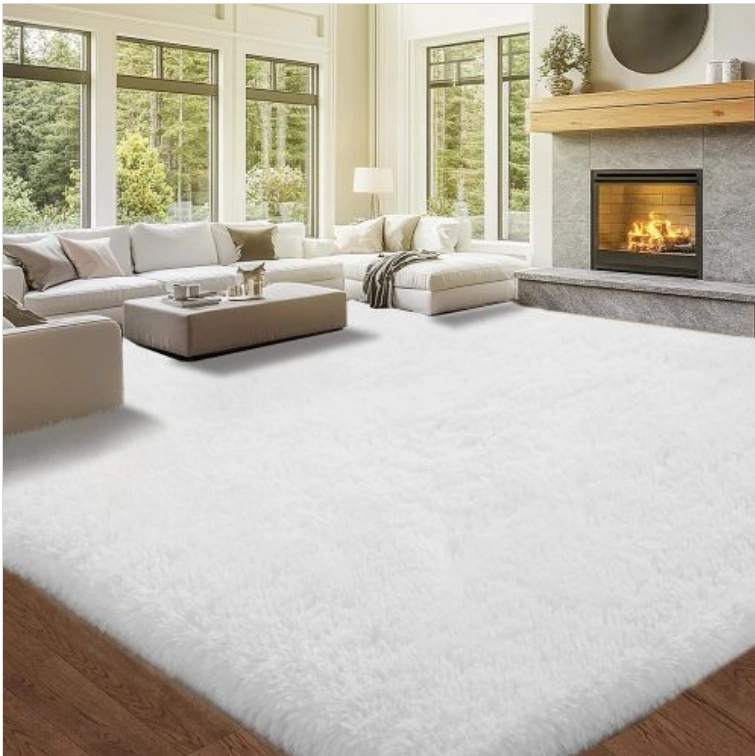
Beyond color and pattern, texture plays a profound role in our experience of a space. A , often referred to as a "shag" or "high-pile" carpet, is defined by its long, loose fibers. Its appeal is primal and deeply connected to our desire for comfort, warmth, and softness. The feeling of sinking your toes into a deep, plush, fluffy carpet is an immediate sensory pleasure, creating an atmosphere of relaxation and luxury.
The modern fluffy carpet is a descendant of the iconic shag carpets of the 1970s, but with significant improvements in materials and construction. Today's versions are often made from soft polyester or wool fibers that are less prone to the matting and shedding that plagued their predecessors. They are most at home in low-traffic areas where comfort is the primary goal. A fluffy carpet is a perfect choice for a bedroom, a cozy reading nook, or a formal sitting room where shoes are typically removed. The long fibers provide excellent sound insulation, contributing to a quiet and peaceful environment.
The main consideration for this style is maintenance. The long pile can trap dirt, dust, and pet hair more easily than a low-pile carpet, and it requires a vacuum cleaner with excellent suction and a beater bar that can be adjusted for height or turned off to avoid damaging the fibers. A fluffy carpet is not a practical choice for dining rooms, where crumbs would be lost in its depths, or for entryways, where it would quickly become soiled. Choosing a fluffy carpet is a commitment to a certain lifestyle—one that prioritizes tactile comfort and is willing to accommodate the necessary cleaning regimen.
While wall-to-wall carpeting provides a uniform foundation, area rugs offer a way to define zones, add layers of interest, and introduce classic design motifs into a room. Classic Area Rugs, particularly those with designs inspired by traditional Persian, Turkish, or Oriental patterns, have an enduring appeal that transcends fleeting trends. These designs have been refined over centuries and possess a balanced, harmonious quality that can complement both traditional and modern interiors.
Placing a classic area rug over a hardwood floor or a neutral, low-pile carpet can anchor a seating arrangement in a living room, define the dining space in an open-plan home, or add a touch of sophistication at the foot of a bed. These rugs act as functional art. Their intricate borders and central medallions provide a focal point and a sense of structure.
The materials for classic area rugs are often of high quality, with wool being the most traditional and durable choice. Modern manufacturing has also made it possible to find beautiful classic designs in more affordable synthetic materials like polypropylene or nylon, or even in a practical washable carpet format. When choosing a classic area rug, consider the scale of the pattern in relation to the room and the furniture. The colors in the rug can provide a palette for the entire room, from the throw pillows on the sofa to the curtains on the windows. A well-chosen classic area rug does not simply decorate a room; it imbues it with a sense of history and timeless grace.
Some design choices are not meant to be permanent fixtures but rather joyful, temporary expressions that mark a particular time of year. The concept of a or seasonal rug falls into this delightful category. These are typically area rugs, runners, or welcome mats that feature festive colors, patterns, and motifs associated with the holiday season. Think of designs with snowflakes, reindeer, holly, or classic plaid patterns in reds, greens, and golds.
A Christmas carpet serves a wonderful emotional function. It is a powerful signal of celebration and tradition, instantly creating a warm and festive atmosphere. A cheerful runner in the hallway welcomes guests with holiday spirit. A small, themed rug by the fireplace enhances the cozy focal point of the room. Because they are used for only a short period each year, durability is less of a concern than with an everyday carpet, allowing for a focus on vibrant design and novelty.
Materials like printed nylon or polypropylene are common for a Christmas carpet, as they hold bright colors well and are easy to clean and store. Some are even designed as a washable carpet, which is particularly useful for handling spills from holiday gatherings or slush tracked in from winter weather. Incorporating a Christmas carpet into your holiday decor is a simple but highly effective way to infuse your home with joy and create lasting memories. It is a testament to the idea that our living spaces can and should reflect our celebrations and emotions.
A carpet is an investment, not just of money, but of the time and effort required to maintain its beauty and function. Neglecting the practicalities of care is like buying a fine automobile and never changing the oil. The lifespan and appearance of any carpet, whether a luxurious wool or a workhorse synthetic, are directly tied to a consistent and correct maintenance routine. The good news is that modern carpet technology and cleaning products have made this task more manageable than ever before. Understanding the principles of care allows you to protect your investment and ensure your carpet continues to enhance your home for years to come.
Perhaps the most significant recent innovation in carpet maintenance is the proliferation of the machine washable carpet. This has been a game-changer, particularly for households with pets, children, or a high potential for spills. A washable carpet system typically consists of two parts: a decorative, lightweight top layer and a non-slip pad that sits underneath. When a spill happens or the rug simply needs a refresh, the top layer can be detached and placed directly into a standard home washing machine.
This convenience fundamentally changes the relationship we have with our rugs. It removes the fear of a ruined investment from a dropped glass of wine or a muddy paw print. A washable carpet is an ideal solution for high-traffic, high-risk areas like kitchens, dining areas, entryways, and family rooms. They are often made from durable, water-friendly materials like polyester or cotton blends. The ability to launder the rug at home not only handles stains but also effectively removes allergens like dust mites and pet dander, contributing to a healthier indoor environment.
When considering a washable carpet, it is helpful to check the manufacturer's instructions regarding machine size, water temperature, and drying methods. Some larger rugs may require a commercial-sized washer. Even with this convenience, immediate blotting of spills is still recommended to prevent them from setting. The washable carpet represents a shift towards practicality and ease, making beautiful flooring a more viable option for the realities of modern life .
The cornerstone of all carpet care is regular vacuuming. This is not just about aesthetics; it is about preservation. Dirt and grit are abrasive. When left in the carpet pile, these tiny, sharp particles are ground against the fibers by foot traffic, acting like sandpaper and causing the fibers to break down prematurely. This is what leads to the dull, worn look in high-traffic lanes.
The frequency of vacuuming should be dictated by the amount of traffic an area receives. High-traffic areas like hallways and family rooms may benefit from being vacuumed daily or every other day. Low-traffic areas like guest rooms might only need it once a week. The type of vacuum cleaner is also important. For cut-pile carpets, a vacuum with a beater bar or rotating brush is effective at agitating the pile and loosening dirt. For loop-pile carpets (like Berber) or a delicate fluffy carpet, the beater bar should be disengaged or set to a high pile setting to prevent the brushes from snagging and damaging the fibers.
Beyond vacuuming, it is wise to use doormats at all entrances to trap dirt before it enters the house. Having a "no shoes" policy in the home is one of the single most effective ways to prolong the life of any carpet. Periodically rotating furniture can also help to distribute wear more evenly and prevent permanent indentations from forming.
| Maintenance Task | High-Traffic Area (e.g., Living Room) | Medium-Traffic Area (e.g., Bedroom) | Low-Traffic Area (e.g., Guest Room) |
|---|---|---|---|
| Vacuuming Frequency | 3-5 times per week | 1-2 times per week | Once per week |
| Professional Cleaning | Every 12-18 months | Every 18-24 months | Every 2-3 years |
| Spot Cleaning | As needed, immediately | As needed, immediately | As needed, immediately |
| Furniture Rotation | Every 6 months | Every 12 months | Annually |
Vacuuming removes surface dirt, but over time, oils, sticky residues, and deeply embedded soil will accumulate. This is why periodic deep cleaning is necessary to restore the carpet's appearance and hygiene. The most common and effective method recommended by many carpet manufacturers is hot water extraction, also known as steam cleaning.
This process involves injecting a solution of hot water and cleaning agents into the carpet pile under pressure and then immediately extracting it with a powerful vacuum. This flushes out the deep-down dirt that regular vacuuming cannot reach. While DIY rental machines are available, professional services generally offer superior results due to more powerful equipment that heats water to a higher temperature and has stronger suction. This stronger suction is vital, as it removes more of the moisture, leading to faster drying times and reducing the risk of mold or mildew.
How often should you deep clean? The table above provides a general guideline, but this can vary. Households with pets, smokers, or allergy sufferers may need to clean more frequently. It is always a good idea to check the warranty for your specific carpet, as some manufacturers require proof of periodic professional cleaning to keep the warranty valid.
Accidents happen. The key to successful stain removal is speed. The longer a substance sits on the carpet fibers, the more likely it is to cause a permanent stain. The first rule is to never scrub or rub a spill, as this can untwist the carpet fibers and spread the stain.
Here is a basic first-aid process:
For difficult stains like wine, coffee, or ink, or for fibers like wool or sisal that are sensitive to water, it may be best to call a professional cleaner immediately rather than risk setting the stain or damaging the fiber.
The ideal carpet does not exist in a vacuum. Its success is measured by its performance within a specific context—the room it inhabits. The functional demands of a bustling hallway are fundamentally different from the serene requirements of a bedroom. A thoughtful approach to carpet selection involves a room-by-room analysis, matching the material, construction, and style of the carpet to the activities and conditions of the space. This contextual thinking ensures that the flooring is not only beautiful but also practical and enduring. It is an exercise in empathy, requiring us to imagine how a space is truly lived in.
Hallways, staircases, and main living rooms are the arteries of a home. They bear the brunt of daily life: constant foot traffic, the movement of furniture, and the entry and exit of family members and guests. A carpet in these areas must be chosen with durability as its foremost quality.
Material and Construction: This is where a fiber like nylon truly shines. Its superior resilience allows it to withstand constant compression and bounce back, resisting the worn-down "traffic lane" effect. A high-quality Triexta carpet is also an excellent contender. Wool, with its natural resilience, is a durable but more costly option that requires prompt attention to spills. In terms of construction, a dense, low-pile carpet is the most practical choice. "Pile" refers to the height of the fibers, and "density" refers to how tightly packed those fibers are. A dense construction means more fiber is present to support the weight of traffic, preventing the carpet from crushing flat. A loop-pile construction, like a Berber, is also very durable, though it may be less comfortable underfoot and can be snagged by pet claws.
Color and Pattern: From a practical standpoint, a mid-tone, neutral color is often the most forgiving choice for high-traffic zones. It will not show dirt as readily as a very light color, nor will it highlight every piece of lint and dust like a very dark color. A patterned carpet, or one with a subtle, multi-tonal texture (a "flecked" appearance), is a master of disguise. The variations in color and design cleverly camouflage the small specks of dirt and minor spots that are inevitable in a busy area, keeping the carpet looking fresh between cleanings.
Bedrooms, private studies, and formal sitting rooms are spaces of retreat and relaxation. In these areas, the functional demand for extreme durability gives way to a desire for comfort, quiet, and a touch of luxury. The experience of the carpet underfoot becomes a primary consideration.
Material and Construction: This is the ideal environment for a carpet that prioritizes softness. A plush, deep-pile or fluffy carpet can transform a bedroom into a cozy sanctuary. The feeling of stepping out of bed onto a warm, soft surface is a simple daily pleasure. Materials like polyester are an excellent choice here, offering exceptional softness at a reasonable cost. Since traffic is low, polyester's lower resilience is not a significant drawback. A Saxony pile, which is a dense, cut-pile carpet with a smooth, velvety finish, is another popular and luxurious option. Wool is, of course, a superb choice for a bedroom, offering both softness and natural resilience, creating a quiet and insulating environment.
Color and Style: The color palette for a bedroom carpet can be more personal and adventurous. Since these are private spaces, the choice can be guided by pure preference rather than practicality alone. Calming, serene colors like soft blues, greens, or warm greys can promote a restful atmosphere. Alternatively, a rich, deep color can create a dramatic and intimate feeling. The style can range from the simple elegance of a solid-colored fluffy carpet to a sophisticated patterned design that acts as the room's centerpiece.
The concept of "carpet" is no longer confined to the indoors. Advances in fiber technology have led to the creation of durable, weather-resistant Home Outdoor Carpets that can extend a home's living space onto patios, decks, and balconies. These products are designed to bridge the gap between indoor comfort and outdoor durability.
Material and Function: The undisputed champion for outdoor applications is polypropylene (olefin). As we have discussed, this fiber is solution-dyed, making it incredibly resistant to fading from harsh sunlight. It is also hydrophobic, meaning it does not absorb water. An outdoor carpet will get wet in the rain, but it is designed to dry quickly without promoting the growth of mold or mildew. The construction is typically a low-profile loop or a flat weave, which prevents the carpet from holding excessive water and allows it to be easily hosed off for cleaning. These carpets are designed to withstand a wide range of temperatures and weather conditions. Many are also useful as durable outdoor door mats, providing a first line of defense against tracked-in dirt.
Style and Application: An outdoor carpet can define an outdoor seating or dining area, making the space feel more like a true "room." It adds a layer of comfort underfoot, covering up splintery wood decks or hot concrete patios. The design possibilities have expanded significantly, moving beyond simple turf-like green. You can now find Home Outdoor Carpets in a wide array of sophisticated patterns and colors, from classic stripes and geometric designs to vibrant tropical motifs, allowing you to coordinate your outdoor space with your indoor decor ().
Certain rooms have unique requirements that call for a specialized approach.
Home Offices: A home office requires a carpet that can withstand the concentrated wear from a rolling office chair. A low-pile, high-density carpet is essential. A commercial-grade carpet tile is an excellent, if often overlooked, solution for a home office. Carpet tiles are extremely durable and have the unique advantage of being replaceable. If a tile becomes stained or excessively worn under the chair, you can simply swap it out for a new one without having to replace the entire floor.
Nurseries and Playrooms: In a child's room, three factors are paramount: softness, stain resistance, and indoor air quality. A soft pile is important for crawling babies and playing toddlers. Excellent stain resistance is a non-negotiable for obvious reasons. A polyester or Triexta carpet is a strong contender. The rise of the large, stylish washable carpet has also provided a fantastic solution for these spaces. Look for carpets that are certified as low-VOC (Volatile Organic Compounds) to ensure a healthier environment for the child.
Basements: The primary challenge in a basement is the potential for moisture and dampness. This makes most natural fibers, especially wool and jute, unsuitable. Polypropylene is a good choice due to its moisture resistance. However, before installing any carpet, it is absolutely vital to ensure that any moisture issues in the basement have been fully resolved. No carpet is designed to survive in a constantly wet environment. Carpet tiles can also be a smart choice for basements, as any tiles damaged by a leak or flood can be replaced individually.
Our final consideration moves beyond the physical properties of the carpet to encompass the human and ethical dimensions of the purchase. A choice of flooring is not just a technical decision; it is a financial one, a practical one, and increasingly, an environmental one. A holistic understanding requires us to look at the entire lifecycle of the carpet, from its cost and installation to its impact on our planet and our health. This final step ensures that our choice aligns not only with our home's needs but also with our personal values.
The price of a carpet is often quoted per square meter or square yard. However, this base price is only one component of the total cost. A realistic budget must account for several other factors.
When comparing options, it is often more insightful to think in terms of "lifecycle cost" rather than just the initial purchase price. A cheaper carpet that needs to be replaced in five years may ultimately be more expensive than a pricier, more durable carpet that lasts for fifteen. There is a wide selection of carpets available to fit various budget levels, from basic polypropylene options to luxurious wools ().
The temptation to save money by installing a carpet yourself can be strong. For small, simple, square rooms, a handy individual might achieve a satisfactory result. However, for most situations, professional installation is highly recommended.
Carpet installation is a skilled trade that requires specialized tools and techniques. Professionals know how to properly seam pieces together so the join is invisible, how to stretch the carpet correctly using a power stretcher to prevent wrinkles and ripples from forming later, and how to navigate tricky areas like stairs and oddly shaped rooms. An improper installation can not only look bad but can also cause the carpet to wear out prematurely and may even void the manufacturer's warranty. The peace of mind and the quality of the finished result usually make the cost of professional installation a worthwhile investment.
In 2026, a growing number of consumers are rightly concerned about the environmental and health impacts of the products they bring into their homes. The carpet industry has responded with a greater focus on sustainability and healthier materials.
Sustainability: The environmental footprint of a carpet involves its entire lifecycle.
Health and Indoor Air Quality: Carpets can impact the air we breathe. The primary concern is Volatile Organic Compounds (VOCs). These are chemicals that can be released ("off-gassed") from new carpets, underlays, and adhesives. They can contribute to that "new carpet smell" and may cause headaches or respiratory irritation in sensitive individuals. To address this, look for carpets with low-VOC certifications. In the United States, the Carpet and Rug Institute's (CRI) "Green Label Plus" program is a widely recognized standard that certifies carpets, adhesives, and underlays that emit very low levels of VOCs. Similar certifications exist in Europe and the UK.
Choosing a sustainable and healthy carpet involves looking beyond the surface. It means asking questions about where the materials come from, how the product is made, and what happens to it at the end of its life. By supporting manufacturers who are committed to environmental stewardship and healthy materials, consumers can collectively drive the industry toward a more sustainable future. This choice reflects an understanding that our homes are part of a larger ecosystem, and our decisions within them have consequences that extend far beyond our own four walls.
Pile refers to the length of the carpet fibers from the backing to the tip. A "high-pile" or "fluffy carpet" has long fibers (like a shag), while a "low-pile" carpet has short fibers. Density refers to how tightly the fibers are packed together in the carpet's backing. A denser carpet is generally more durable and resistant to crushing because the fibers support each other. You can test density by trying to press your fingers through the pile to the backing; if it is difficult, the carpet is dense.
The right underlay is crucial for your carpet's longevity and comfort. A good rule of thumb is to choose a firm, dense pad. A pad that is too soft may feel luxurious at first, but it allows the carpet to stretch too much underfoot, which can damage the backing and cause wrinkles. For most residential cut-pile carpets, a quality rebond pad with a thickness of around 7/16 inch and a weight of 6 to 8 pounds is a good choice. For Berber or other loop-pile carpets, a thinner, firmer pad is better to prevent excess flexing.
Yes, and in some ways, it can be beneficial. Carpet acts like a passive air filter, trapping airborne allergens like dust, pollen, and pet dander, preventing them from circulating in the air you breathe . The key is to remove these trapped allergens through regular and effective cleaning. Use a high-quality vacuum with a HEPA (High-Efficiency Particulate Air) filter, and consider periodic professional deep cleaning using hot water extraction. Choosing a low-pile carpet can also make it easier to remove allergens.
Carpet tiles are modular squares of carpet that are fitted together to cover a floor. They are extremely popular in commercial settings and are becoming more common in homes. Their main advantage is practicality. If a tile gets permanently stained or damaged, you can simply lift it up and replace it with a new one. This makes them an excellent choice for basements, home offices, or playrooms. They come in a vast range of colors and styles, allowing you to create custom patterns or checkerboard designs.
The lifespan of a carpet depends heavily on the quality of the fiber, the level of foot traffic it receives, and how well it is maintained. A budget-friendly, low-density polyester carpet in a high-traffic area might only last 3-5 years. A high-quality, dense nylon or wool carpet in a bedroom, with proper care, could easily last 15-20 years or more. Investing in a better quality carpet and a good underlay, combined with a consistent cleaning routine, is the best strategy for maximizing its lifespan.
Not necessarily. The durability of a printed carpet depends more on the quality of the underlying carpet fiber and construction than the printing process itself. Most high-quality printed carpets are made on a durable nylon base. The key factor in the print's longevity is the dyeing method. Look for carpets where the dye has penetrated deep into the fiber tufts, rather than just coloring the tips. When the color goes deep, the pattern will remain clear and vibrant even as the carpet experiences normal wear.
Natural, renewable, and biodegradable fibers are generally the most eco-friendly choices. Wool is a top contender, as it is sustainable, long-lasting, and biodegradable. Other plant-based fibers like sisal, jute, and seagrass are also excellent sustainable options. If choosing a synthetic carpet, look for one made from recycled materials (some polyester is made from recycled plastic bottles) and check if the manufacturer has a take-back or recycling program for the carpet at the end of its life. Also, look for low-VOC certifications like CRI Green Label Plus.
Bringing our reflections together, the process of selecting a carpet emerges as a deeply personal and multi-layered endeavor. It is a dialogue between the practical and the poetic, the hand and the eye. We began by establishing a foundation in the materials themselves, understanding the engineered resilience of synthetics and the timeless character of natural fibers. From there, we explored the vast aesthetic landscape, considering how color, pattern, and the inviting texture of a fluffy carpet or the artistic flair of a printed carpet can shape the emotional tenor of a room.
We then turned to the pragmatic realities of ownership, acknowledging that a carpet's life is preserved through diligent care, and celebrated the modern convenience of the washable carpet. By contextualizing our choices on a room-by-room basis—from the robust needs of a hallway to the specific demands of an outdoor patio—we ensure that our flooring is not just present, but purposeful. Finally, we broadened our lens to include the human and ethical dimensions of our purchase, weighing the total cost, the craft of installation, and the growing importance of sustainability.
To choose a carpet is, in essence, to make a statement about how we wish to live in our most intimate spaces. It is a choice that balances durability with delight, function with feeling. Armed with a clear understanding of these interconnected elements, you are now prepared to make a decision that is not only informed but also resonant—a choice that will lay a foundation of comfort, beauty, and satisfaction underfoot for many years to come.